Most driveways in Freeport don’t fail because of bad materials. They fail because the base beneath them wasn’t built for what’s underneath the ground here. In the canal neighborhoods American Venice, the waterfront streets near Woodcleft Canal, the low-lying blocks south of Sunrise Highway you’re dealing with sandy fill soils and a water table that rises and falls with the tides. A contractor who doesn’t account for that is setting you up for a driveway that shifts, heaves, and cracks within a few winters.
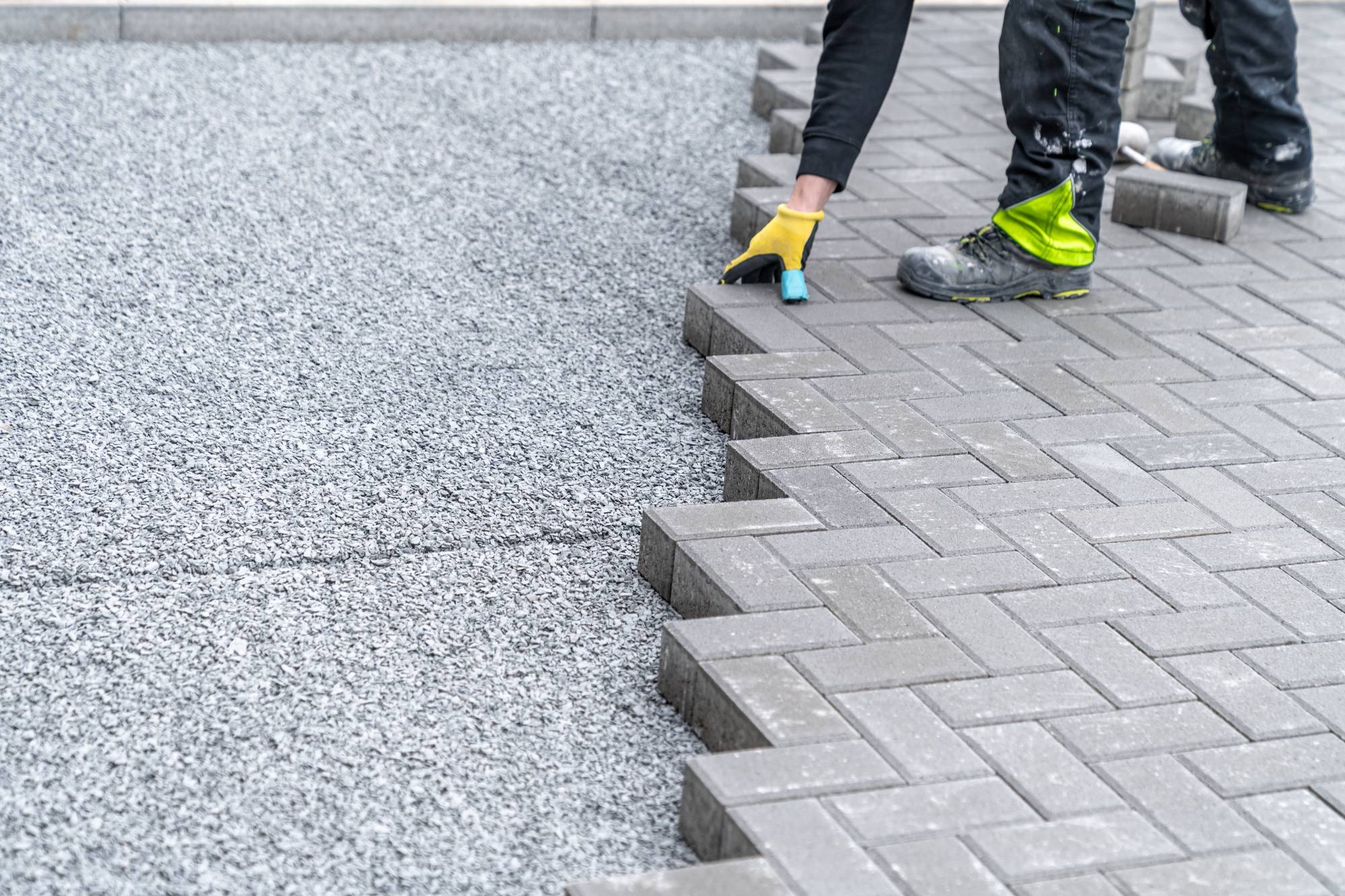
A properly installed brick paver driveway in Freeport changes that equation. Each paver sits on a compacted aggregate base that’s engineered to drain, not retain water. When freeze-thaw cycles hit and on Long Island, they hit hard a well-drained base means the ground beneath your driveway doesn’t expand and contract enough to move anything. The surface stays level, the joints stay tight, and you’re not calling anyone in March to assess the damage.
Beyond performance, brick pavers give you something asphalt and concrete can’t: the ability to fix one brick instead of the whole driveway. If a storm event or heavy vehicle damages a section, you pull the affected pavers, reset them, and it’s done. With poured concrete, a crack means cutting out a section and pouring new material that never quite matches. Over 20 or 30 years, that individual repairability alone justifies the difference in upfront cost especially in a coastal village like Freeport where conditions test every surface year-round.
We’ve been doing masonry, construction, and landscaping work across Nassau County for over twenty years. That includes the South Shore communities the dense residential blocks of Freeport, the waterfront properties near the Nautical Mile, the canal-adjacent homes in American Venice where the soil conditions are unlike anything you’d find in an inland suburb. Freeport isn’t a new service area for us. It’s core to what we do.
Every driveway project is handled in-house by our own crew. No subcontracting, no handoffs, no third-party team showing up to do work that someone else quoted. The same people who walk your property and write your estimate are the ones who show up on installation day. That accountability matters and it’s reflected in our verified 5.0-star rating on both HomeAdvisor and Angi.
We’re fully licensed and insured, and we pull the necessary permits through Freeport’s Building Department so you don’t have to navigate Village Hall on your own.

It starts with a free written estimate. We walk your property, look at the existing surface, assess the grade and drainage situation, and give you a written quote that breaks down exactly what’s included materials, base preparation, labor, and any permit requirements specific to the Village of Freeport. If your project involves a new curb cut or any work in the right-of-way between the curb and your property line, a permit is required through the Village Clerk before anything gets touched. We handle that process upfront so there are no stop-work surprises mid-project.
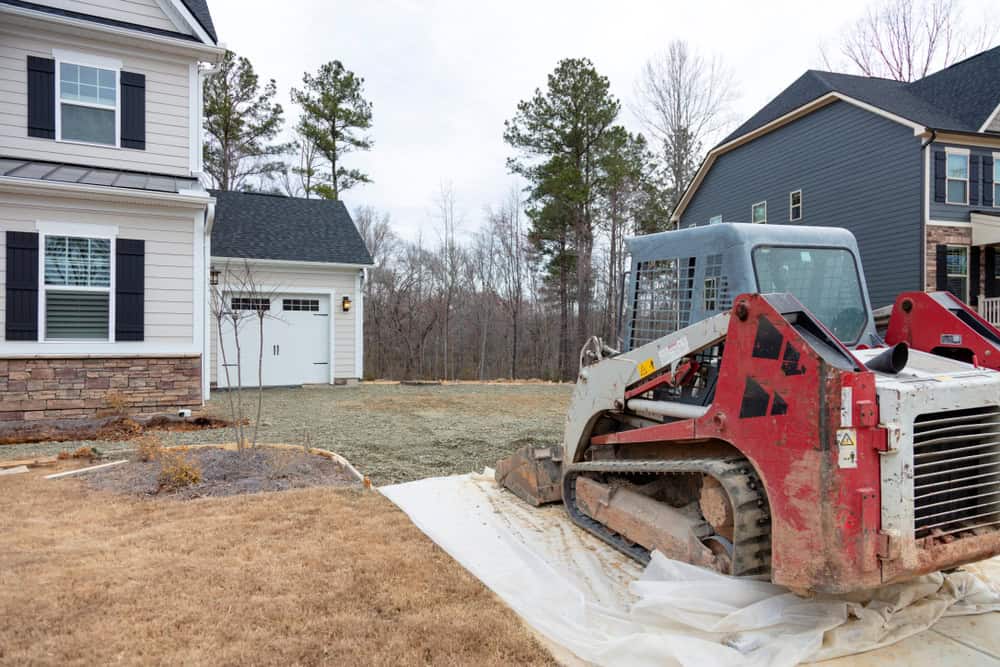
Once permits are in order, the existing surface is removed and the base work begins. This is where the real work happens. In Freeport particularly in the southern neighborhoods with sandy fill soils and high water table conditions proper base depth, compaction, and drainage planning aren’t optional. The aggregate base is graded to carry water away from your foundation, not toward it. For properties near the canals or in FEMA-designated flood zones, this step gets extra attention.
After the base is set and compacted, the pavers are laid, cut to fit, and finished with polymeric joint sand a material that locks the surface together, resists weed germination, and holds up through Long Island’s freeze-thaw cycles without washing out. The final result is a surface that’s level, tight, and ready for daily use. You get a walkthrough before our crew leaves, and you know exactly what was done and why.

Brick driveway paving cost in Freeport, NY typically runs between $10 and $45 per square foot installed, depending on the material, pattern complexity, and site conditions. For a standard residential driveway, most projects land somewhere between $8,000 and $18,000. That range reflects real variables the depth of base preparation required for your specific lot, whether drainage infrastructure needs to be added, and the paver material you choose. In Freeport’s canal neighborhoods, base engineering often requires more depth and more careful grading than a comparable project on an inland Nassau County street, and that’s reflected honestly in the estimate.
When comparing brick versus concrete driveway cost in Freeport, concrete does come in lower upfront typically $6 to $12 per square foot installed. But concrete cracks, and when it does, you’re patching or replacing full sections. Brick pavers cost more at the start and last 25 to 100 years with individual repairability built in. In a coastal environment where storm saturation, salt exposure, and freeze-thaw cycles are annual realities, the long-term math tends to favor pavers especially for homeowners who plan to stay in their property or want the investment to show at resale. Freeport’s median home values are approaching $635,000, and a brick paver driveway is one of the most visible exterior upgrades a buyer sees before they even reach the front door.
If you’re looking for affordable brick driveway paving in Freeport, the right question isn’t just what it costs today it’s what it costs over ten or twenty years when you factor in repairs, resurfacing, and the value it adds or protects at the time of sale.

Yes and the specific requirements depend on what the project involves. The Incorporated Village of Freeport has its own Building Department that enforces both the New York State Uniform Fire Prevention and Building Code and village-specific regulations. If your project requires a new curb cut or any excavation or grade alteration in the area between the curb and your property line, you need a permit from the Village Clerk before that work can begin. Curb cuts also have placement rules: they must be at least three feet from the nearest property line, three feet from any utility pole or fire hydrant, and five feet from the beginning of a curb radius at an intersection.
Even placing a debris container in the street during a paving project requires a Village permit. These aren’t details most homeowners know off the top of their head, and contractors who aren’t familiar with Freeport’s specific requirements can create real delays or worse, a stop-work order if they skip the paperwork. We handle the permit process as part of the project so you don’t have to figure it out on your own.
The cost to install a brick paver driveway in Freeport typically falls between $10 and $45 per square foot, with most standard residential projects totaling somewhere between $8,000 and $18,000. The wide range exists because several real variables affect the final number: the paver material you choose, the complexity of the pattern or border design, and critically in Freeport the condition of the existing base and the drainage requirements of your specific lot.
Properties in the southern canal neighborhoods, near American Venice or Woodcleft Canal, often require deeper base preparation and more deliberate drainage grading because of the sandy fill soils and tidal groundwater fluctuation in those areas. That adds cost, but it’s the work that determines whether your driveway is still level and tight a decade from now. A written estimate from us will break down exactly where your project lands in that range and why no vague verbal quotes that shift when the invoice arrives.
They will if the base is built correctly for those conditions. This is the part that separates a driveway that lasts from one that starts shifting after the first hard winter. In Freeport’s canal neighborhoods and waterfront areas, the ground beneath a driveway is subject to tidal groundwater fluctuation, meaning the water table rises and falls on a cycle that can periodically saturate the subgrade. Sandy fill soils common in the southern parts of Freeport also compact and behave differently than the denser glacial till you’d find further inland in Nassau County.
A properly engineered installation accounts for all of that: adequate base depth, appropriate compaction, geotextile fabric where needed, and surface grading that directs water away from the foundation rather than pooling against it. Brick pavers themselves are fired clay they don’t absorb water the way concrete does, and they’re not vulnerable to the same surface cracking from freeze-thaw expansion. Salt spray from the waterfront is also less of a concern with pavers than with concrete, which can spall and pit over time with repeated salt exposure.
For most Freeport homeowners near the water, brick pavers are the stronger long-term choice and it comes down to how each material handles the specific conditions here. Concrete is a single continuous slab. When the ground beneath it moves from freeze-thaw cycles, from soil settlement, from periodic groundwater saturation in the canal neighborhoods the slab cracks. Once it cracks, you’re either patching it (which never looks right) or cutting out sections and pouring new concrete that won’t match the original color.
Brick pavers are individual units set on a flexible base. If the ground shifts slightly, individual pavers can be reset without touching the rest of the surface. They also handle coastal moisture and salt exposure better than concrete over time. The upfront cost of brick driveway paving in Freeport is higher concrete typically runs $6 to $12 per square foot installed versus $10 to $45 for pavers but when you factor in the repair costs that concrete almost always generates in a coastal environment, the total cost of ownership over 20 years tends to favor pavers.
A properly installed brick paver driveway has a documented lifespan of 25 to 100 years. The wide range reflects the difference between a driveway that was installed with adequate base depth and drainage versus one that cut corners on the foundation. On Long Island and especially in a coastal village like Freeport where freeze-thaw cycles, coastal moisture, and periodic storm saturation are annual factors the base preparation is what determines where in that range your driveway lands.
Brick pavers themselves are extremely durable. They’re manufactured from clay fired at high temperatures, which gives them a density and frost resistance that holds up through Long Island winters without cracking or spalling. The joints, sealed with polymeric sand, resist weed intrusion and stay tight through seasonal expansion and contraction. With routine maintenance resealing every few years, resetting a paver if one ever shifts a well-installed brick driveway in Freeport should outlast the asphalt and concrete alternatives by a significant margin.
Spring and fall are the strongest windows for driveway paving in Freeport. Spring roughly March through May is when most homeowners are assessing winter damage and planning exterior projects before the summer boating season picks up along the Nautical Mile. Demand rises quickly once the weather stabilizes, so booking early in the season gets you ahead of the backlog. Fall September through October offers ideal installation conditions: cooler temperatures, lower humidity, and stable ground that hasn’t yet gone through the first freeze cycle.
Summer works too, but scheduling gets tighter as contractor calendars fill up. Winter is generally not the right time for new installations frozen ground and cold temperatures affect how base materials compact and how pavers set. That said, winter is a useful time to get your estimate done and your project planned so you’re first in line when the season opens. If you’ve had storm damage from a nor’easter or a heavy rain event, we serve Freeport year-round for assessments and can advise on timing based on what your specific project requires.
Other Services we provide in Freeport