Living on a barrier island means your driveway faces conditions most contractors never think about. Salt-laden air moves through Long Beach year-round, and it breaks down asphalt faster than you’d expect. Concrete isn’t much better freeze-thaw cycles crack it, and salt penetration causes it to spall from the inside out. Brick pavers, installed with a properly engineered base and sealed surfaces, resist both.
The water table in Long Beach sits close to the surface. That matters a lot when it comes to base preparation. A driveway installed without adequate excavation depth and drainage design will shift, settle, and heave as the ground moves with seasonal moisture. The right installation accounts for that from the start not after the first winter reveals the problem.
If you’ve owned property here long enough to remember Sandy, you already know what happens when construction cuts corners. A brick paver driveway installed correctly with compacted base layers, proper edge restraints, and drainage sloped away from your foundation is one of the more resilient surfaces you can put down on a Long Beach property. And if a single brick ever cracks from storm debris or a hard freeze, it’s replaced individually. No full-section removal, no patching, no mess.
We’ve been serving Nassau and Suffolk Counties for over 20 years. That’s not a marketing line it means we’ve installed driveways that have held up through real Long Island winters, coastal nor’easters, and the kind of sustained salt-air exposure that tests every material choice and every base decision. Long Beach properties in the President Streets, the Canals, and along the waterfront have been part of our work for years.
Every project is handled in-house. The crew that shows up on day one is the same crew that sets the last brick. There’s no handoff to a subcontractor, no accountability gap, and no mystery about who’s responsible if something doesn’t look right. For homeowners in Long Beach who’ve had frustrating contractor experiences that matters.
We’re fully licensed and insured, pull the appropriate permits through Long Beach’s own Building Department, and provide free written estimates before any work begins. Five-star ratings on both HomeAdvisor and Angi back up what we say we do.

It starts with a free, written estimate. We walk the site, assess the existing surface, and give you a clear breakdown of what the project involves materials, labor, base preparation, and any permit requirements specific to Long Beach’s Building Department. If your driveway involves curb modifications, that means a Driveway Red Tip Application through the city. That’s a Long Beach-specific requirement, and we handle it before work begins, not after.
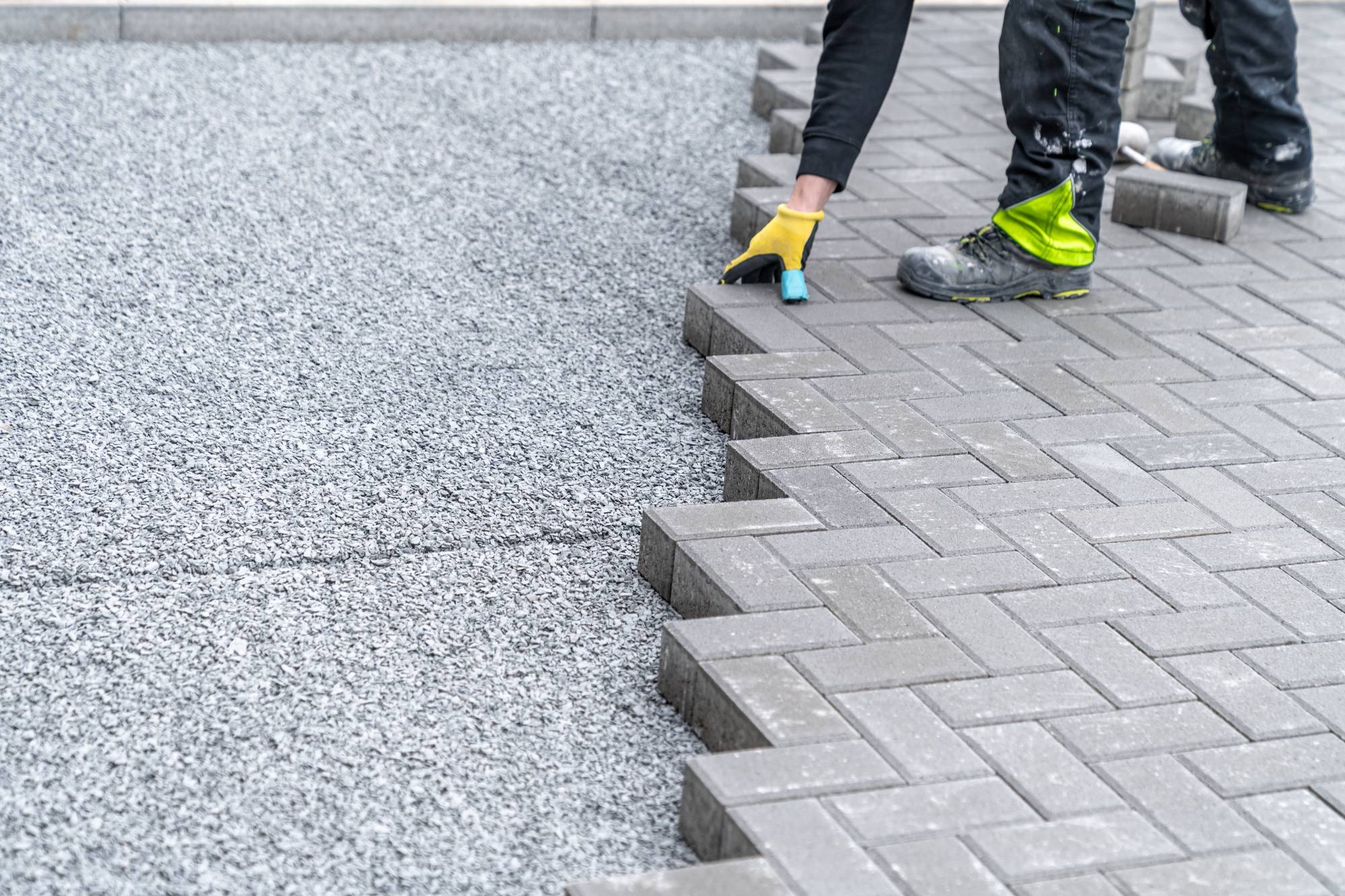
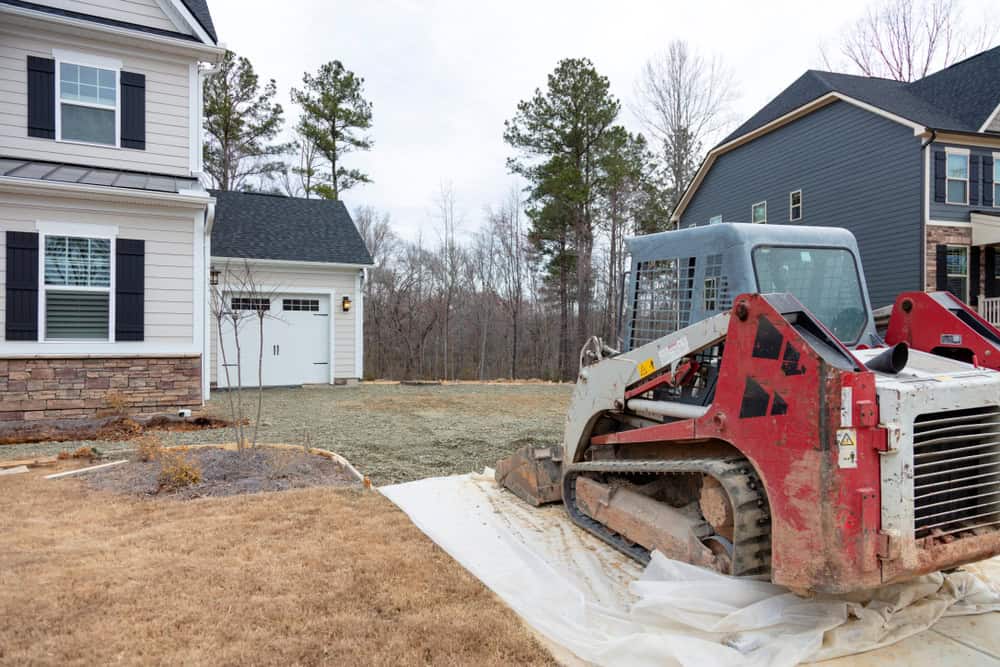
Once the project is underway, the existing surface is removed and the base is excavated to the appropriate depth for coastal soil conditions. In Long Beach, that means accounting for a high water table and the kind of ground movement that comes with barrier island geography. The base layers are compacted in stages, drainage is designed into the slope, and edge restraints are set before a single paver goes down.
From there, the pavers are laid, jointed with polymeric sand, and sealed. The sealer isn’t optional here on a Long Beach property, it’s what keeps salt from penetrating the surface and working its way into the joints over time. When the job is done, the site is cleaned up and you get a walkthrough. No lingering crew, no debris left behind, and no open questions about what was done or why.

Brick driveway paving in Nassau County runs $18–$23 per square foot for quality installation. A standard two-car driveway at around 600 square feet puts the total between $10,800 and $13,800, depending on the existing surface condition, base requirements, and whether curb or drainage work is involved. In Long Beach specifically, coastal base preparation deeper excavation, better drainage design can affect the final number, and it’s worth understanding why before you compare quotes.
That cost looks different when you set it against the alternatives. Asphalt is cheaper upfront but needs resealing every few years and typically requires full replacement within 15–20 years in a coastal environment. Poured concrete holds up better than asphalt but cracks under freeze-thaw stress and is expensive to replace section by section. Brick pavers cost more at the start and can last 50 to 100 years with proper installation and resealing every two years. On a Long Beach property worth $738,000 or more, that math tends to work out clearly.
What you get with us is a written quote that breaks down exactly what you’re paying for no vague line items, no surprises at the end. The estimate is free, it’s in writing, and it covers everything from demolition of the existing surface to final sealing. If the scope changes, you hear about it before it happens, not after.

Yes, depending on the scope of the project. Long Beach is an incorporated city with its own Building Department and Code of Ordinances separate from Nassau County or the Town of Hempstead. That means permits are handled at the city level, not the county level, and the requirements are specific to Long Beach.
If your driveway project involves any curb modifications, you’ll need to file a Driveway Red Tip Application through the Long Beach Building Department before work can begin. Projects near street trees may require additional review as well. A contractor who isn’t familiar with Long Beach’s city-level permit process may skip these steps which creates problems for you at resale and with your homeowner’s insurance down the line. We handle the permit process as part of the project, so you’re not navigating the Building Department on your own.
Salt air is one of the more underestimated factors in Long Beach driveway longevity. The salt that moves through the air year-round and gets tracked onto your driveway from the road is corrosive. It penetrates unsealed surfaces and works into the joints between pavers, breaking down the joint sand and eventually causing instability.
The solution is a penetrating sealer applied after installation and reapplied every two years. A quality sealer blocks salt infiltration at the surface level and protects the joint sand from washing out or degrading. On a Long Beach property, skipping the sealer isn’t really an option it’s what separates a driveway that looks the same in year ten as it did in year one from one that starts showing visible deterioration within a few seasons. We apply sealer as a standard part of every brick paver installation, not as an add-on.
For most Long Beach homeowners, yes and the reasons are specific to this environment. Poured concrete is rigid. When the ground shifts from freeze-thaw cycles or moisture movement in barrier island soil, concrete cracks. Once it cracks, you’re either living with the damage or removing and replacing full sections, which is expensive and leaves visible seams.
Brick pavers are flexible by design. The individual units move slightly with the ground rather than fracturing. If one brick is damaged by a hard freeze, storm debris, or a heavy vehicle it’s replaced on its own without touching the surrounding surface. That individual repairability is a real financial advantage on a Long Beach property, where coastal conditions create more ongoing stress on exterior surfaces than you’d see in an inland Nassau County neighborhood. Over a 20-year horizon, the total cost of ownership on a brick paver driveway is typically lower than concrete, despite the higher upfront cost.
A properly installed brick paver driveway can last 50 to 100 years. That range is wide because longevity depends heavily on two things: the quality of the base installation and whether the surface is sealed and maintained over time.
In Long Beach’s coastal environment, base preparation is the more critical variable. A shallow base on barrier island soil where the water table is close to the surface and ground movement from seasonal moisture is common will shift and settle within a few years. A base that’s excavated to the right depth, compacted in stages, and designed with drainage in mind will stay level and stable for decades. The pavers themselves are extremely durable. What fails first, when things do fail, is almost always the base or the joint sand both of which are installation decisions, not material limitations. Our approach to base preparation in coastal Long Island conditions is specifically designed to address this.
The base cost range for brick driveway paving in Nassau County is $18–$23 per square foot, and that applies to Long Beach as a starting point. What can push the number higher in Long Beach specifically is the coastal base preparation requirement. Barrier island soil conditions high water table, ground movement, proximity to Reynolds Channel on the north side of the city mean that base excavation often needs to go deeper and drainage design needs to be more deliberate than on a standard inland Nassau County property.
Demolition of an existing surface adds to the total as well, and older Long Beach driveways that were damaged or improperly repaired post-Sandy sometimes require more extensive removal work. A 600 square foot two-car driveway in Long Beach typically falls between $10,800 and $13,800 for a complete installation. The written estimate from us will break down exactly where your project lands within that range and why so you’re not left guessing or comparing vague quotes from contractors who didn’t assess the site.
The honest answer is that it depends on what’s happening beneath the surface, not just what you can see on top. Surface cracks, a few shifted pavers, or minor edge deterioration are usually repair-level issues. But if you’re seeing widespread heaving, large sections that have settled unevenly, or recurring problems that come back every season despite repairs, that typically points to a base failure and patching the surface won’t fix it.
In Long Beach, base failures are more common than in inland towns because of the barrier island soil conditions. High water table, ground movement from seasonal moisture, and the storm history of the city all contribute to base degradation over time especially on driveways that were installed before modern base preparation standards or that were hastily repaired after Sandy. We assess the existing base as part of the free estimate process. If a repair is the right call, that’s what we’ll tell you. If the base is compromised and replacement is the smarter long-term decision, we’ll explain exactly why in plain language, not contractor jargon.
Other Services we provide in Long Beach