A brick paver driveway isn’t just a visual upgrade it’s a decision that pays off over time. When your Sayville home is worth $700,000 and sits on the South Shore of Long Island, the driveway is one of the first things anyone sees. A well-installed one adds curb appeal, supports your property value, and handles the freeze-thaw cycles and coastal moisture that this area throws at it every single year.
Here’s what most homeowners don’t realize: the difference between a driveway that holds up for 50 years and one that starts shifting and weeding within five isn’t visible on the surface. It’s in the base. Proper excavation depth, compacted aggregate laid in measured lifts, and the right drainage slope these are the things that determine whether your investment lasts. Sayville’s South Shore terrain and proximity to Great South Bay add a real drainage dimension to every install. Water needs somewhere to go, and a properly graded driveway directs it away from your foundation, not toward it.
Brick pavers also give you something concrete and asphalt never can: individual repairability. If one brick gets damaged after a brutal winter, you replace that brick not a full section. Over a 30-year ownership horizon, that matters more than most people expect when they’re comparing upfront costs.
We’ve been serving Suffolk County homeowners for over 20 years, with deep roots in the Town of Islip communities Sayville, West Sayville, Bayport, and the surrounding South Shore neighborhoods. We’ve installed driveways throughout Sayville that have since weathered multiple Long Island winters and coastal storm seasons.
Every project is handled by our own crew. No subcontractors, no handoffs, no accountability gaps. The team that starts your driveway is the team that finishes it and walks through it with you at the end. We’re fully licensed and insured, hold a verified 5.0-star rating on both HomeAdvisor and Angi, and offer free written estimates so there’s never a gap between what you were quoted and what you’re invoiced.
Sayville is a town that takes the appearance of its streets seriously from the historic Main Street corridor along Route 27A to the classic colonials that line its side streets. We understand what this community expects, and we’ve been delivering it here long enough to know the difference between a driveway that looks good in photos and one that performs through a South Shore winter.

It starts with a free written estimate. We come out, look at your existing driveway, assess the drainage conditions and grade of your property, and give you a clear, itemized breakdown of what the project involves and what it costs. Nothing verbal, nothing vague.
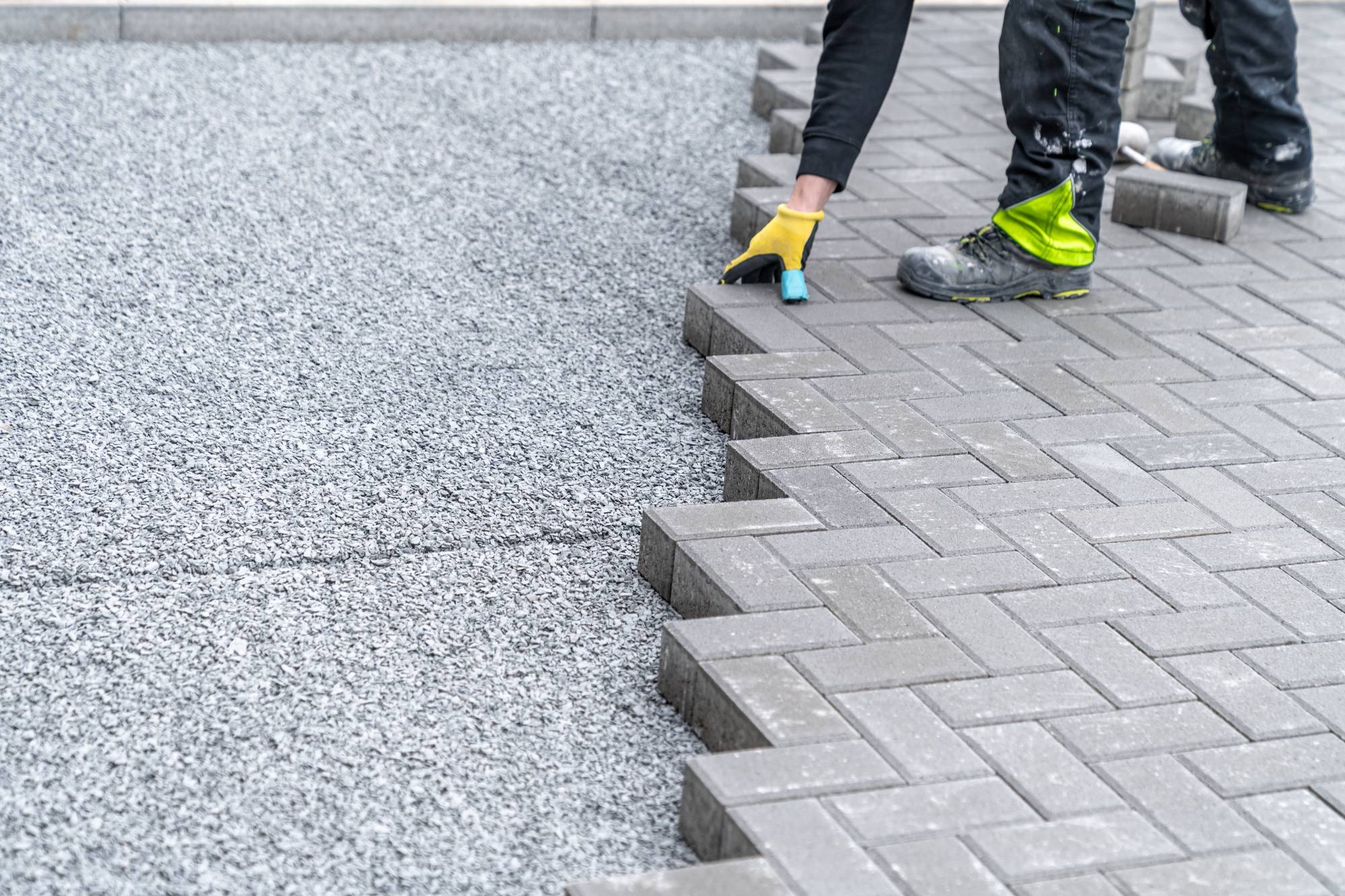
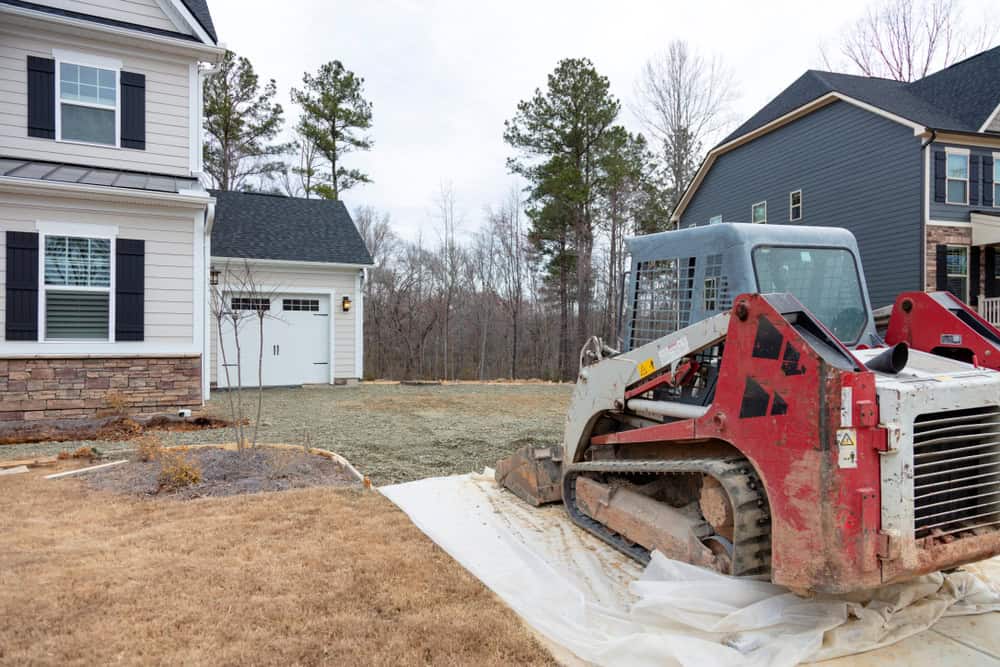
Once the project is scheduled, we handle the full excavation digging to the depth required for a vehicle-bearing driveway, which in Sayville’s South Shore environment means accounting for both drainage and frost depth. The aggregate base goes in next, compacted in measured lifts and verified before a single paver is set. This is the part most homeowners never see, but it’s the entire foundation of how long your driveway performs. If your property falls within the Town of Islip’s right-of-way requirements which applies to driveway apron work and any curb or drainage connection to the street we handle the permitting process as part of the job. We know what the Town of Islip requires and how to move through it without it slowing your project down.
After the base is confirmed, the bedding sand goes down, the pavers are set to pattern, edge restraints are anchored, and polymeric joint sand is swept and locked in. The finished surface is graded to move water away from your home. Then we walk through it with you because that’s how every job ends.

The brick vs. concrete driveway cost question comes up on almost every estimate call in Sayville, and it deserves a straight answer. Brick pavers run higher upfront typically $10 to $45 per square foot installed, depending on material grade, pattern complexity, and base requirements. A full residential driveway in Sayville generally falls in the $8,000 to $20,000 range, sometimes higher on larger properties. Concrete comes in lower upfront, usually $8 to $18 per square foot. Asphalt is cheaper still.
But here’s what the upfront number doesn’t tell you. Poured concrete cracks under Long Island’s freeze-thaw cycles, and when it does, you’re replacing full sections not individual pieces. Asphalt needs resurfacing every 10 to 15 years and full replacement at 20. Brick pavers, properly installed with a solid base and sealed joints, can last 50 years or more with basic maintenance. For a Sayville home where the driveway is a visible, high-traffic feature of a property worth $700,000, the cost-per-year math on brick pavers is often better than it looks at first glance.
We work with a range of materials and can walk you through options that fit both your home’s style and your budget. The estimate is free, it’s written, and it breaks down exactly what you’re paying for materials, labor, base prep, edge restraints, and any applicable permit fees. No surprises on the back end.

Brick paver driveway installation in Sayville, NY typically runs between $10 and $45 per square foot installed, depending on the material grade, pattern, and what the base preparation requires. For a standard residential driveway, most homeowners in Sayville are looking at a total project cost somewhere between $8,000 and $20,000 with larger properties or more complex patterns pushing that higher.
A few things affect where your project lands in that range. The condition of your existing driveway matters full demo and haul-off adds cost. The depth of base required for your specific lot and drainage situation matters. And the paver material itself matters: standard concrete pavers sit at the lower end, while clay brick and premium architectural pavers run higher. When you get a written estimate from us, every one of those line items is spelled out so you know exactly what you’re paying for before anything is agreed to.
For most Sayville homeowners, yes and the reason comes down to the math over time, not just the look. Asphalt is cheaper upfront, but it needs resurfacing every 10 to 15 years and full replacement around the 20-year mark. Brick pavers, installed correctly with a proper base, routinely last 50 years or more. On a South Shore property where freeze-thaw cycles and coastal moisture are part of every winter, a shallow or poorly installed asphalt driveway deteriorates faster than it would in a more sheltered inland location.
There’s also the curb appeal factor, which is real in Sayville’s market. With median home values approaching $700,000, the visual impact of a well-designed brick paver driveway is not trivial. Professionally installed outdoor hardscaping has been documented to increase home value by 10 to 30 percent. Asphalt won’t do that. A brick driveway that complements a classic Sayville colonial or craftsman-era home is a different category of investment entirely.
For a vehicle-bearing driveway on Long Island including Sayville the standard base depth is typically 6 to 8 inches of compacted aggregate beneath the bedding sand and pavers. Some installations require more depending on the soil conditions and drainage characteristics of the specific lot. Sayville’s South Shore terrain, with its proximity to Great South Bay and the low-lying coastal landscape, can present drainage conditions that demand extra attention to base depth and compaction.
The reason this matters so much is frost. Long Island’s freeze-thaw cycles from December through February put real stress on anything sitting in the ground. A base that isn’t deep enough, or that wasn’t compacted in proper lifts, will shift and heave when the ground freezes and thaws. That’s where most driveway failures in this area actually start not at the surface, but underneath it. Every installation we do is excavated and compacted to the depth the specific site requires, not the minimum that looks acceptable on paper.
It depends on the scope of work. For driveway work that stays entirely on your private property and doesn’t touch the public right-of-way, a building permit may or may not be required the Town of Islip Building Division is the right place to confirm based on your specific project. However, if your project involves the driveway apron, a curb cut, or any connection to the street-side drainage system, the Town of Islip Department of Public Works requires a Right-of-Way Work Permit before that work can begin.
This is a step that catches some homeowners off guard, especially when they’re working with contractors who aren’t familiar with Islip Township’s specific requirements. We’ve been working in Town of Islip communities including Sayville and the surrounding South Shore hamlets long enough to know this process well. We handle the permit application as part of the job, including the required survey and sketch, so it doesn’t become a delay or a surprise on your end.
A properly installed brick paver driveway in Sayville can last 50 years or more and the key phrase there is “properly installed.” The material itself is durable. Brick and concrete pavers are designed to flex with freeze-thaw cycles rather than crack under them, which is a genuine structural advantage over poured concrete in Long Island’s climate. But that performance depends entirely on what’s underneath: the base depth, the compaction quality, the drainage slope, and the joint sand used to lock everything in place.
Sayville’s coastal position adds a layer to this. Salt air from Great South Bay accelerates weathering on exposed surfaces, which is why sealing your paver driveway every two to three years is especially important here more so than it would be for an inland property. Sealed pavers resist surface weathering, keep joint sand locked in, and are significantly easier to clean. It’s a maintenance step that’s easy to skip and costs you years of driveway life when you do.
Spring and fall are the two best windows for driveway paving in Sayville, NY and both book up faster than most homeowners expect. Spring, roughly March through May, is when contractors come out of the off-season and demand spikes quickly as homeowners assess winter damage and start planning projects. Fall, September through October, is the other peak window the weather is ideal for installation, and most homeowners want the project finished before the ground freezes and the holiday season hits.
Summer works too, but Sayville’s summer population swells with Fire Island ferry traffic and seasonal activity, which can affect scheduling and crew availability. Winter is the off-season for new installation the ground conditions and temperature make it impractical but it’s actually a good time to schedule your estimate, nail down your design choices, and get on the spring calendar before the rush. If you’re thinking about a new driveway for next season, the smartest move is reaching out now, getting a written estimate in hand, and locking in your spot before the spring backlog builds.
Other Services we provide in Sayville