
Southampton winters are deceptively damaging. The temperature doesn’t stay brutally cold it oscillates. Above freezing during the day, below it overnight, sometimes multiple times in the same week. Water works its way into any crack or pore in the surface, freezes, expands, and forces that crack wider. By spring, what looked like a minor surface issue has become a structural one. Brick pavers installed on a properly compacted aggregate base handle that cycle differently than poured concrete or asphalt. They flex with the movement instead of cracking under it. And because each unit is independent, a shifted or damaged brick gets replaced on its own not as part of a full driveway tear-out.
The coastal exposure throughout Southampton adds another layer. Properties near Shinnecock Bay, the ocean, or any of the ponds and inlets throughout the town deal with elevated moisture, salt air, and occasional flooding that accelerate surface wear faster than in inland Long Island communities. A driveway that’s properly sealed and installed with drainage built into the base handles that environment the way it should. Beyond durability, the visual return matters here in a way it doesn’t in most markets. With a median home value topping $2.6 million in Southampton Village, the driveway is the opening statement on a property that buyers and renters are evaluating from the moment they pull in. Getting it right isn’t cosmetic it’s financial.
We’ve been doing masonry and hardscaping work across Suffolk County for over two decades. That includes properties throughout the Town of Southampton from the village itself to Water Mill, Bridgehampton, North Sea, Hampton Bays, and the hamlets in between. We know what Southampton’s East End demands from a driveway installation, and we’ve built enough of them here to know where corners get cut and what that costs the homeowner two winters later.
Every project is handled in-house. No subcontractors are brought in at any stage the same crew that starts your driveway finishes it. That matters on a high-value property where accountability can’t be passed off to a third party you’ve never met. We’re fully licensed and insured, hold a 5.0-star rating on both HomeAdvisor and Angi, and provide free written estimates so you know exactly what you’re agreeing to before any work begins.

It starts with a free on-site estimate. We come to the property, look at what’s there, and give you a written scope of work with real numbers not a ballpark range that shifts once the job starts. For Southampton properties, that first visit also accounts for local factors: the size and configuration of the driveway, drainage requirements tied to the Town’s stormwater standards, and whether any permit review is needed before work begins. The Town of Southampton has specific driveway standards in its code, and any project that changes impervious surface area may require review under the Town’s SPDES stormwater permit framework. Getting that right upfront protects you from stop-work orders later.
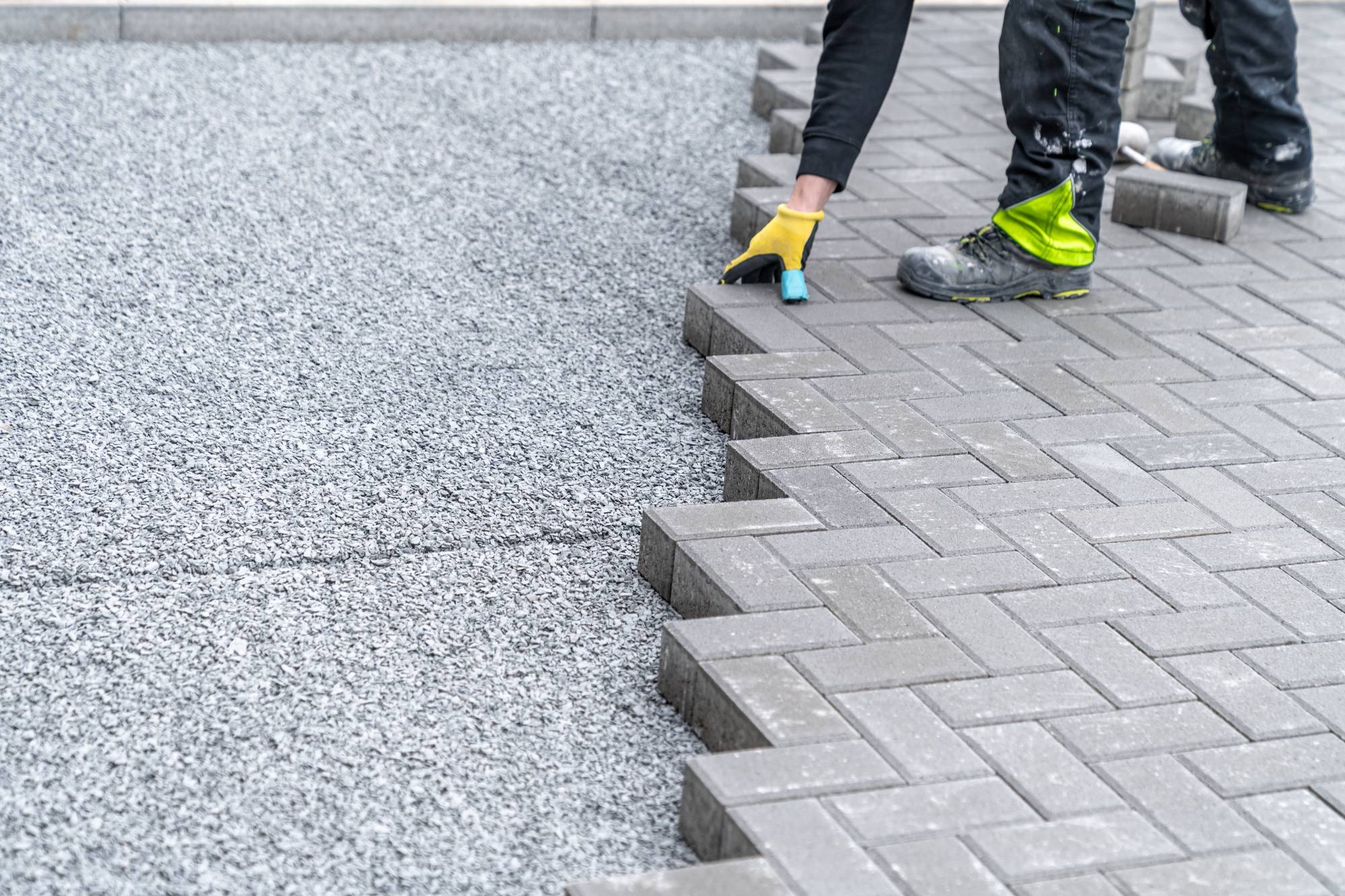
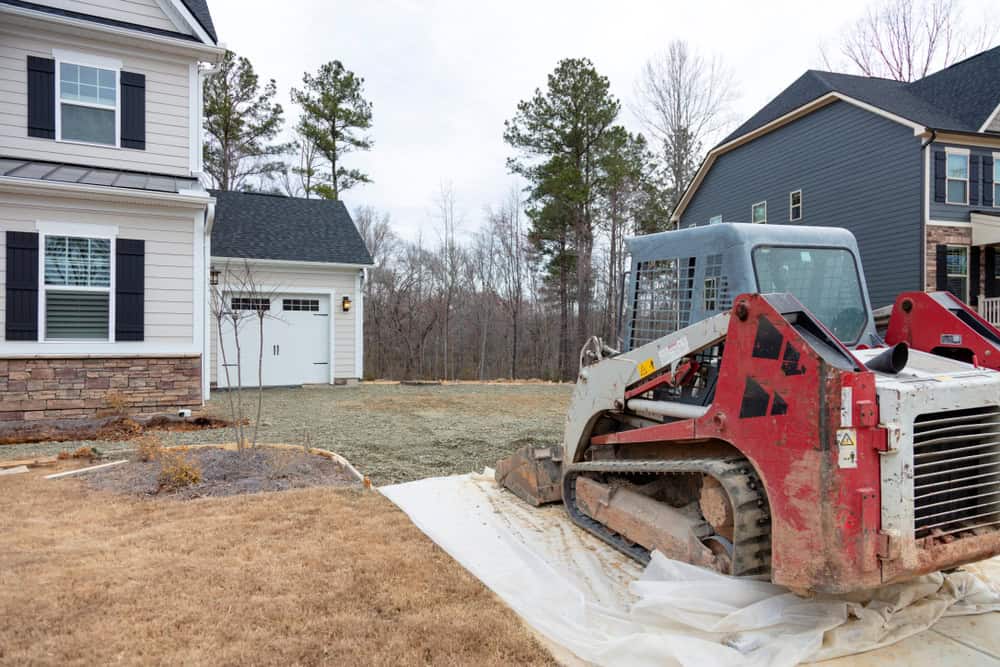
Once the project is scheduled, our crew handles full excavation of the existing surface, subbase grading, and installation of a compacted aggregate base deep enough to manage freeze-thaw movement and drainage. The sand bedding layer goes in next, followed by the pavers themselves set to pattern, cut to fit, and locked in with edge restraints that keep everything stable long-term. Joint sand is compacted into the gaps, and the surface is sealed to protect against moisture intrusion and the salt air exposure that comes with living this close to the water. Spring books fast on the East End, especially for homeowners preparing properties before the summer rental or listing season. Reaching out early gives you the best window for scheduling.

Brick paver driveway installation in Southampton, NY typically runs between $10 and $45 per square foot depending on the material, pattern complexity, and site conditions. A standard two-car driveway comes in somewhere between $5,700 and $17,200 for most projects. In the Southampton market, estate-scale driveways circular approaches, extended runs, multi-car configurations often push beyond that range simply because of square footage and design complexity. The written estimate we provide breaks all of that down so you’re not guessing.
What drives cost on a Hamptons property isn’t just material selection. It’s the base preparation underneath. A 4-inch compacted stone aggregate base with a properly graded sand bedding layer costs more than a shallow installation but it’s what separates a driveway that holds up through five Long Island winters from one that starts shifting by the second. Properties near the water, like those throughout Shinnecock Hills, North Sea, and the areas bordering Shinnecock Bay, often need additional drainage consideration built into the base design. That’s not an upsell it’s what the site actually requires.
Brick pavers also give you a maintenance model that makes long-term sense. Individual bricks can be lifted and reset if frost heave shifts them. Damaged units swap out without touching the rest of the surface. Compared to the cost of replacing a cracked concrete section or repaving an asphalt driveway that’s lost its integrity, the math over a 25-to-50-year lifespan tends to favor pavers especially on a property where the driveway is a visible, high-impact feature.

Brick paver driveway installation in Southampton, NY generally runs between $10 and $45 per square foot installed, with most two-car driveways landing somewhere between $5,700 and $17,200. The range is wide because material choice, pattern complexity, and base depth all affect the final number and in Southampton, where estate driveways are often larger and more design-forward than a standard suburban layout, projects frequently sit toward the higher end of that range.
The most honest answer is that the cost depends heavily on what’s underneath. A properly compacted aggregate base, adequate drainage for the coastal moisture exposure common throughout the Southampton area, and quality edge restraints all add to the upfront number but they’re what make the driveway last 25 to 50 years instead of needing significant repairs within five. We provide free written estimates that break down every line item so you know exactly what you’re paying for before any work starts.
For most properties in Southampton, brick pavers are the strongest choice both aesthetically and functionally. The Hamptons housing stock is dominated by large single-family estates where the driveway is a visible, high-impact feature that needs to match the overall quality of the property. Blacktop reads as an afterthought on a home of this caliber. Poured concrete holds up reasonably well but cracks under freeze-thaw pressure and requires full-section replacement when it does. Brick pavers flex with the movement, handle coastal moisture better when properly sealed, and give you individual-brick repairability that no other material offers.
There’s also the design dimension. Brick pavers come in a range of colors, textures, and laying patterns herringbone, running bond, basketweave and can be bordered with Belgian block or natural stone to tie the driveway into the broader hardscape of the property. For a home in Water Mill, Bridgehampton, or Southampton Village itself, that cohesion between the driveway, walkways, and patio matters to buyers and renters evaluating the property.
Better than most other materials but only when the base is built correctly. The freeze-thaw cycle that Southampton experiences each winter is particularly damaging because the temperature doesn’t stay consistently cold. It oscillates above and below 32 degrees repeatedly, sometimes within the same 24-hour period. Water gets into any gap or pore in the surface, freezes, expands by roughly 9 percent, and forces that gap wider. Over a season or two, that process turns a minor surface issue into a structural failure.
Brick pavers installed on a deep compacted aggregate base with proper joint sand and drainage built in handle that cycle differently. The individual units can shift slightly with frost movement and return to position or be reset individually without compromising the entire surface. The key word is “installed correctly.” A shallow base or inadequate drainage will fail regardless of material. Our installation process accounts for Long Island’s specific climate from the base up, not just the surface layer.
It depends on the scope of the project and whether your property falls within Southampton Village or the broader town. The Town of Southampton has specific Driveway Standards written into its town code, and any work that significantly changes impervious surface area replacing a gravel or permeable surface with solid pavers, for example may be subject to review under the Town’s SPDES stormwater permit framework issued by the New York State Department of Environmental Conservation. The Village of Southampton has its own stormwater management ordinances and built conditions review process that specifically addresses driveway width, curb cuts, and impervious surface changes.
In practical terms, this means the permit question isn’t always a simple yes or no. It depends on your lot, your current surface, and what you’re changing. Our experience working throughout Suffolk County includes familiarity with Southampton’s local regulatory landscape, and part of the free estimate process is identifying whether permit review is needed before work begins so you’re not hit with a stop-work order on a property worth several million dollars.
A properly installed brick paver driveway can last anywhere from 25 to 50 years, with some lasting longer when the base was built right and the surface is maintained. The maintenance model is one of the strongest arguments for pavers in a coastal market like Southampton. Individual bricks can be lifted, the base corrected if frost heave has shifted anything, and the brick reset or replaced without touching the surrounding surface. That’s a fundamentally different maintenance conversation than poured concrete, which requires section replacement, or asphalt, which patches visibly and degrades in sections over time.
For properties near the water along Shinnecock Bay, the ocean-facing areas of the village, or the pond-adjacent neighborhoods throughout the town periodic resealing is worth doing every few years to protect against moisture intrusion and salt air exposure. Polymeric joint sand should be checked after particularly harsh winters and replenished if it’s washing out. Neither of these is a major undertaking, and both extend the life of the surface significantly.
In most real estate markets, a driveway upgrade is a modest curb appeal improvement. In Southampton, the stakes are different. With a median home value topping $2.6 million in Southampton Village and the broader Hamptons median sale price now exceeding $2 million, buyers are evaluating every visible detail of a property and the driveway is the first thing they see before stepping out of their car. A well-designed brick paver driveway signals the same quality and attention to detail that the rest of the property is expected to deliver. A cracked or dated surface undercuts that signal immediately, and in a market where properties trade at these values, that first impression carries real financial weight.
For homeowners who rent their Southampton property during the summer season, the return is even more direct. A driveway that photographs well improves listing appeal, and one that holds up through multiple rental seasons without needing repairs between guests reduces the maintenance burden that comes with high-turnover seasonal use. It’s not just about aesthetics it’s about what the property communicates to the people evaluating it.
Other Services we provide in Southampton