They installed a new stone patio and steps in the backyard. Loving it!
Harold Rollings
Best landscape designers ever. They're doing my driveway soon too.
Wendy Adams
They do very professional work Hacen trabajo muy profesional
Lidys Martinez
Professional Fence Installers in Bellmore
What You Actually Get From Proper Installation
A fence that’s installed correctly doesn’t just look good on day one. It stays level through winter heaving, the posts don’t rot out in two seasons, and you’re not calling someone back to fix sagging gates.
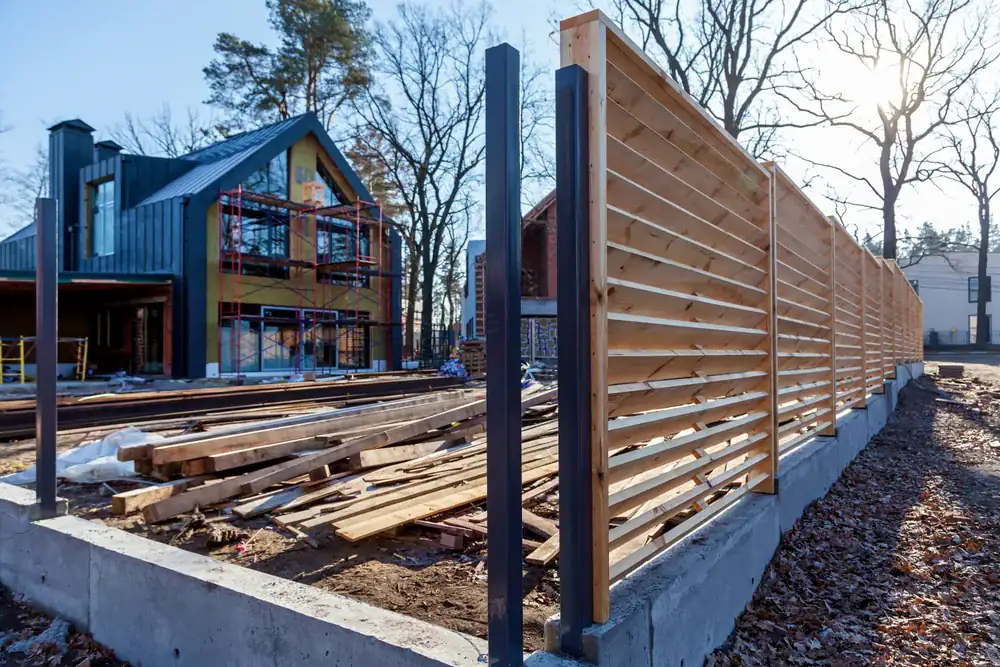
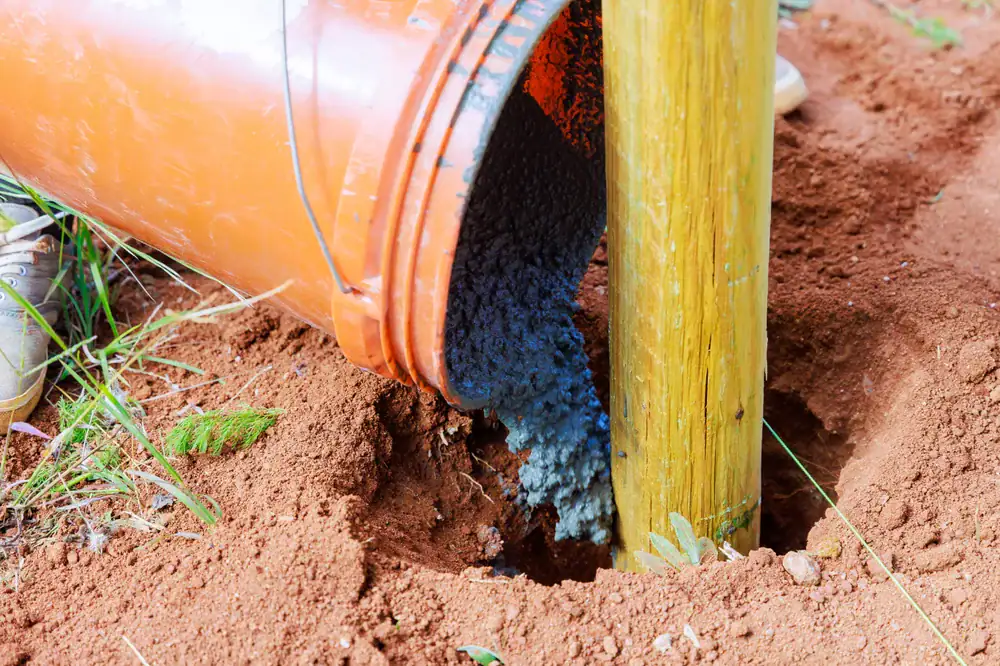
When you’re dealing with Long Island’s soil conditions and weather patterns, the difference between a fence that lasts and one that doesn’t comes down to foundation work and material selection. That means digging below the frost line, using pressure-treated posts rated for ground contact, and setting everything in concrete that’s mixed for the job—not just dumped in dry.
You also get clear property lines, actual privacy in your yard, and a finished look that makes your property feel complete. No more looking at your neighbor’s shed or dealing with dogs cutting through your yard.
Local Fence Contractors in Bellmore
We've Been Doing This Since Before GPS
We’ve been working in Nassau County for over 20 years. We know what happens to fences here when they’re not installed properly—we’ve replaced enough of them.
Every person on our crew is background-checked and drug-tested. That matters when we’re working on your property, around your family, and handling the kind of equipment this work requires.
We’re locals. We understand Bellmore’s building codes, we know which materials hold up in this climate, and we’ve worked on enough properties in this area to know what drainage issues look like before they become fence problems.
Fence Installation Process in Bellmore
Here's How We Actually Install Your Fence
It starts with a free estimate at your property. We’ll measure, talk about what you need the fence to do, and walk you through material options that make sense for your budget and timeline.
Once you approve the plan, we handle permits if they’re required. Then we mark utilities, stake out the fence line, and confirm everything with you before we dig a single hole.
Installation means setting posts below the frost line in concrete, letting that cure properly, then building out the fence sections with materials that are rated for Long Island weather. We clean up completely when we’re done—no leftover concrete chunks or torn-up sod.
You’ll know the timeline upfront, and if something changes, you’ll hear about it before it affects the schedule. The goal is a fence that’s installed right, looks clean, and doesn’t need us back in six months.
Fence installation cost per foot in Bellmore depends on material, height, and site conditions. Wood privacy fences typically run differently than vinyl or aluminum, and if we’re dealing with rocky soil or significant grade changes, that affects labor.
We give you free fencing estimates that break down material, labor, and any site prep that’s needed. No surprises, no “we didn’t realize” conversations halfway through the job.
What’s included: post installation below frost line, concrete footings, fence panels or pickets, gates if needed, hardware, and complete cleanup. If your property needs grading work or if we hit ledge rock, we’ll tell you that during the estimate—not after we’ve started digging.
Long Island properties come with specific challenges. Soil composition varies even within Bellmore, and drainage issues are common. We account for that in how we set posts and plan the fence line, so you’re not dealing with heaving or rot in a couple of years.
How deep do fence posts need to be in Bellmore, NY?
Fence posts in Bellmore need to go below the frost line, which is typically 36 to 42 inches deep in Nassau County. That depth prevents the freeze-thaw cycle from pushing posts up and out of the ground over winter.
If you don’t go deep enough, the ground freezes, expands, and lifts the post. Then it thaws, the post settles, and you’re left with a fence that’s no longer level or secure. This happens every winter to fences that weren’t installed with Long Island’s climate in mind.
We dig to the proper depth, set posts in concrete, and make sure everything is plumb before the concrete sets. It’s not the fastest way to do it, but it’s the only way that holds up long-term in this area.
What type of fence material lasts longest on Long Island?
Vinyl and aluminum fences last the longest on Long Island because they don’t rot, rust, or need repainting. Vinyl handles freeze-thaw cycles well if it’s quality material, and aluminum works for properties near salt air.
Wood fences can last 15 to 20 years if they’re pressure-treated and maintained, but you’ll need to stain or seal them every few years. Cedar holds up better than pine, but it costs more upfront.
Chain link is durable but doesn’t offer privacy. Wrought iron looks sharp but requires maintenance to prevent rust, especially in coastal areas. The right material depends on what you need the fence to do—privacy, security, or just boundary marking—and how much maintenance you’re willing to handle.
Do I need a permit to install a fence in Bellmore?
Most residential fence installations in Bellmore don’t require a permit if the fence is under six feet tall and you’re not in a historic district or near a wetland. But rules vary depending on your property’s zoning and location.
You’ll need to confirm your property lines before installation. If the survey is old or unclear, it’s worth getting it re-staked. Putting a fence on your neighbor’s property—even by a few inches—creates legal problems that are expensive to fix.
We can help you figure out if a permit is needed and handle the paperwork if it is. It’s easier to do it right upfront than deal with code enforcement or a neighbor dispute after the fence is already up.
How long does fence installation take in Bellmore?
Most residential fence installations in Bellmore take two to five days, depending on the length of the fence, material, and site conditions. A simple 100-foot wood privacy fence on flat ground goes faster than a 300-foot vinyl fence on a slope with rocky soil.
Weather affects the timeline. If it rains heavily, we can’t pour concrete or work in mud. If we hit ledge rock, we may need to adjust post placement or bring in different equipment.
We’ll give you a realistic timeline during the estimate and keep you updated if anything changes. The goal is to get the job done right without dragging it out, but we’re not going to rush through foundation work just to finish a day early.
What's the fence installation cost per foot in Bellmore, NY?
Fence installation cost per foot in Bellmore typically ranges from $20 to $60, depending on material and site conditions. Wood privacy fences are usually on the lower end, vinyl and composite are mid-range, and aluminum or custom iron are higher.
That price includes materials, labor, post installation, concrete, and cleanup. It doesn’t include permit fees if they’re required, or extra site work like grading or removing an old fence.
Rocky soil, significant slopes, or difficult access can increase labor costs. If we need to hand-dig because equipment can’t reach the fence line, that takes longer. We’ll identify those issues during the free estimate so you know what you’re paying for and why.
Can you install a fence in winter in Bellmore?
You can install a fence in winter in Bellmore, but it’s harder and depends on ground conditions. If the ground is frozen solid, we can’t dig post holes without specialized equipment, and concrete doesn’t cure properly in freezing temperatures.
Mild winter days when the ground isn’t frozen are workable. We can use cold-weather concrete mix and insulated blankets to protect the footings while they cure. But if it’s below 20 degrees or the ground is frozen more than a few inches down, it’s better to wait.
Spring and fall are ideal for fence installation on Long Island. The ground is workable, concrete cures at the right pace, and weather delays are less common. If you need a fence installed in winter, we’ll assess the site and let you know if it’s feasible or if waiting a few weeks makes more sense.