Most driveways in Huntington Station were poured somewhere between the 1940s and 1970s. That’s not a guess it’s what the housing data shows. If yours is cracking at the edges, heaving in the middle, or draining toward your garage instead of away from it, that’s not normal wear. That’s a driveway that has genuinely reached the end of its life and needs to be replaced, not patched.
A brick paver driveway installed the right way solves that problem for the long haul. We’re talking 50 to 100 years when the base is properly engineered which matters a lot in a climate like Long Island’s north shore, where freeze-thaw cycles run hard from November through March. Water gets into cracks, freezes, expands, and turns a small problem into a structural one. A well-built paver system on a compacted aggregate base flexes through those cycles instead of fracturing under them.
There’s also the revitalization angle worth considering. Huntington Station received a $10 million Downtown Revitalization Initiative grant from New York State. The streetscape along New York Avenue is being actively upgraded. When the public investment around your neighborhood is going up, the return on a brick paver driveway one of the highest-impact curb appeal improvements available goes up with it. Median home values here hit $578,000 in 2024 and rose nearly 7% in a single year. Your driveway is the first thing anyone sees when they pull up to your property. Make it count.
We’ve been doing masonry and hardscaping work across Suffolk County for over two decades. That means we’ve worked through Long Island winters, dealt with glacial moraine soil that holds moisture and heaves under frost, and navigated the Town of Huntington’s permitting process more times than we can count. We know Huntington Station not because we read about it, but because we’ve worked in it.
Every project we take on in Huntington Station is handled entirely by our own team. No subcontractors, no handoffs, no crew showing up that we can’t vouch for. The same people who give you the estimate are the people doing the work and the people you call if you ever have a question afterward. That’s a level of accountability that’s harder to find than it should be.
We hold a 5.0 rating on both HomeAdvisor and Angi verified by real customers, not self-reported. If you’ve got neighbors in the Half Hollow Hills area or over in South Huntington who’ve had their driveways done and are happy to say so publicly, that’s the kind of track record we’re proud to carry.

It starts with a free, written estimate. We come out to the property, assess what you’re working with existing surface condition, drainage situation, lot layout and give you a clear, itemized number before anything else happens. No verbal ballparks, no pressure. Just a written breakdown of what the job involves and what it costs.
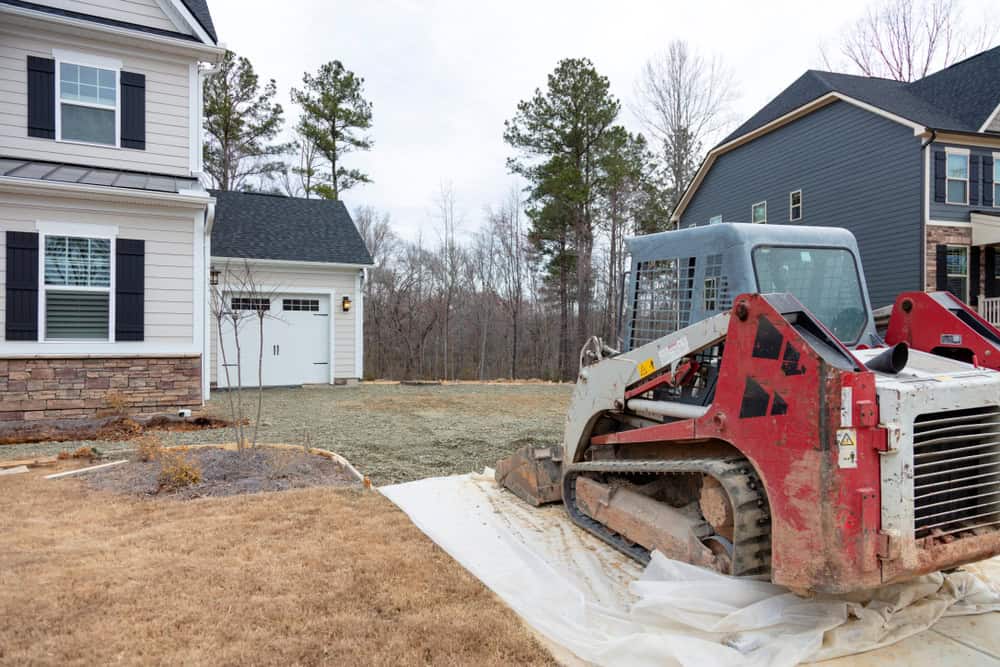
Once you’re ready to move forward, we handle the full scope. That means removing your existing driveway surface, excavating to the right depth for vehicle load-bearing in this climate, and laying a compacted aggregate base in measured lifts. This is the part that separates a driveway that lasts from one that shifts and heaves within a few seasons. Huntington Station’s north shore soil profile a mix of clay, sand, and gravel left by the Wisconsin Glacier retains moisture and is prone to frost movement. The base work has to account for that. We don’t skip it.
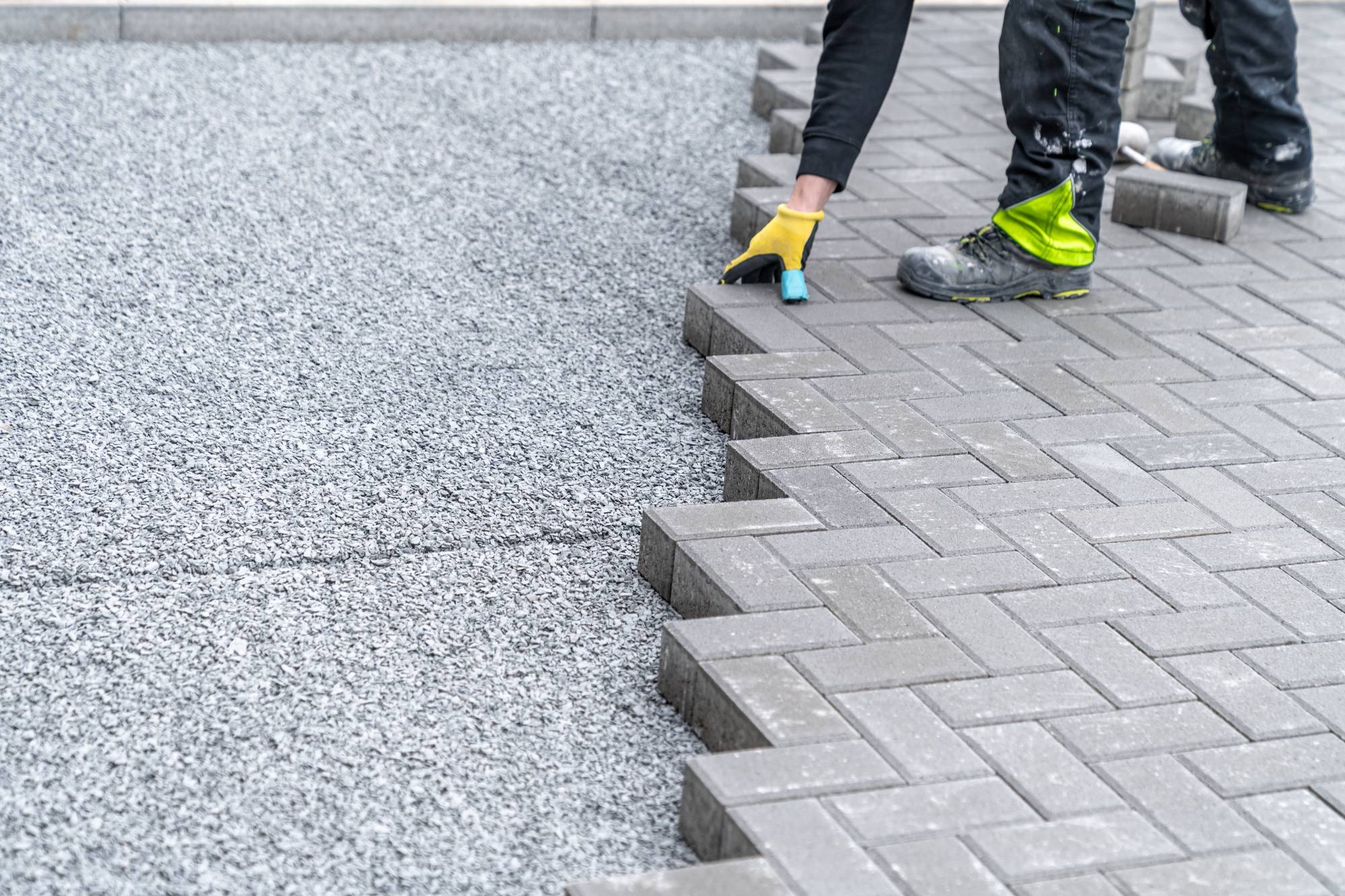
From there, we set the bedding sand layer, install the pavers in your chosen pattern, fill the joints with polymeric sand to resist weeds and insect intrusion, and lock the edges with long-spike restraints. If your project scope requires a permit through the Town of Huntington Building and Housing Department, we’ll walk you through what’s needed. Spring and fall are the strongest installation windows on Long Island if you’re planning ahead, booking early gets you the best scheduling flexibility before the season fills up.

Brick paver driveway installation in Huntington Station typically runs between $10 and $45 per square foot installed, depending on the paver grade, pattern complexity, and site conditions. That range is wider than most people expect, so it’s worth understanding what moves the number. A straightforward rectangular layout with standard pavers lands toward the lower end. A custom herringbone or fan pattern with premium material on a larger lot with drainage challenges will land higher. The written estimate you get from us will show you exactly where your project falls and why.
Compare that to asphalt at $3 to $7 per square foot installed, and yes brick pavers cost more upfront. But asphalt lasts 15 to 20 years before it needs full replacement. A properly installed brick paver driveway lasts 50 to 100 years. And if a single paver cracks or shifts somewhere in year 30, you replace that one brick not the entire surface. That individual repairability is something poured concrete and asphalt simply can’t offer, and in a market where a full driveway replacement runs $15,000 to $25,000 or more, it’s a meaningful long-term cost difference.
For Huntington Station homeowners, the design flexibility matters too. Ranch homes, Cape Cods, hi-ranches, split-levels the most common styles in this community each have a different front-of-house character. Brick pavers let you choose the size, color, and pattern that actually complements your home’s architecture instead of just covering the ground in front of it. That’s not a luxury detail. In a neighborhood where property values are rising and the public streetscape is being actively upgraded, the exterior of your home is doing real work for your asset.

Installed brick paver driveway costs in Huntington Station typically fall between $10 and $45 per square foot, but that range reflects a lot of real variables not vague pricing. The paver material itself is one factor: standard concrete pavers sit at the lower end, while natural clay brick or premium manufactured pavers push the number higher. Pattern complexity matters too a running bond layout requires less cutting and labor than a herringbone or circular fan design.
Site conditions specific to your property also play a role. If your existing driveway is thick poured concrete from the 1950s, removal costs more than pulling up old asphalt. If your lot has drainage issues which are common in Huntington Station given the clay-heavy soil profile additional base engineering may be needed to route water away from the foundation. The best way to get an accurate number is a written, itemized estimate based on your actual property, which is exactly what we provide at no cost and no obligation.
For most homeowners in Huntington Station, yes and the math is straightforward when you lay it out. Asphalt costs less upfront but needs full replacement every 15 to 20 years. A properly installed brick paver driveway lasts 50 to 100 years. Over the life of a home, the total cost of ownership for pavers is often lower than repeated asphalt replacements, even accounting for the higher initial investment.
There’s also the repair advantage. When one brick shifts or cracks which can happen over decades of freeze-thaw cycling on Long Island’s north shore you replace that single unit. No section removal, no resurfacing, no major expense. With concrete or asphalt, a structural crack means a much larger repair bill. Add in the fact that Huntington Station median home values rose nearly 7% in 2024 alone, and a brick paver driveway isn’t just a functional upgrade it’s a curb appeal investment in an asset that’s actively appreciating.
Brick pavers are typically made from fired clay, which gives them a natural color variation and a warmer, more traditional look. Concrete pavers are manufactured from as the name suggests concrete, and they come in a wider range of shapes, sizes, and surface textures. Both are interlocking systems that perform well in freeze-thaw climates when installed correctly, but they behave a little differently over time.
Natural clay brick tends to hold its color longer because the color runs through the entire unit rather than sitting on the surface. Concrete pavers can fade somewhat over years of UV exposure and road salt contact, though sealing helps significantly. For Huntington Station homeowners dealing with Long Island winters and the road salt that comes with them, the choice often comes down to aesthetic preference and budget rather than performance both materials outperform poured concrete and asphalt in repairability and longevity when the base is properly built. We can walk you through the options for your specific property during the estimate.
It depends on the scope of the project. Huntington Station falls under the jurisdiction of the Town of Huntington not an incorporated village which means building permits and approvals are handled by the Town of Huntington Building and Housing Department at 100 Main Street in Huntington. For a full driveway replacement, especially one that involves changes to drainage or impervious surface area, a permit is often required. A simple resurfacing over an existing base may not trigger the same requirement.
The honest answer is that permit requirements vary by project, and the safest move is to confirm with the Town before work begins. We’re familiar with the Town of Huntington’s process and can help you understand what your specific project requires before anything is scheduled. Getting this right upfront avoids stop-work orders and ensures your finished driveway is code-compliant which matters if you ever sell the property and a buyer’s inspector starts asking questions.
The right answer to this question is actually in the installation, not the maintenance. When polymeric joint sand is properly applied and activated during installation, it hardens in the joints and creates a barrier that resists both weed germination and insect intrusion. It doesn’t make the joints completely impenetrable forever, but it dramatically reduces the problem compared to standard sand joints that wash out and leave open channels for seeds to take root.
On Long Island, where humidity is high and organic debris accumulates quickly especially in fall when leaves break down in the joints even a well-installed paver surface benefits from periodic maintenance. Reapplying polymeric sand every several years, combined with occasional sealing, keeps the surface looking clean and the joints tight. If you’re inheriting an older paver driveway in Huntington Station where the original joint sand has long since washed out, a joint sand refresh is a relatively low-cost fix that makes a significant difference in how the surface performs and looks going forward.
For a standard residential driveway in Huntington Station, the active installation work typically takes two to four days once the project is underway. That includes surface removal, excavation, base preparation, paver installation, and joint sand application. Larger driveways, more complex patterns, or projects with significant drainage work can extend that timeline, but most homeowners are looking at a long weekend’s worth of disruption rather than weeks.
What affects the overall schedule more than the installation itself is lead time. Spring is the busiest season for driveway paving on Long Island as soon as the ground thaws and homeowners can see the full extent of winter damage, the phones start ringing and contractor schedules fill up fast. Fall is the second peak, as people want projects finished before the ground freezes again. If you’re planning a driveway replacement in Huntington Station, getting your estimate done early and booking your slot before the season peaks gives you the most flexibility on timing and avoids the rush that pushes projects into longer wait windows.
Other Services we provide in Huntington Station