They installed a new stone patio and steps in the backyard. Loving it!
Harold Rollings
Best landscape designers ever. They're doing my driveway soon too.
Wendy Adams
They do very professional work Hacen trabajo muy profesional
Lidys Martinez
Professional Fence Installers in St. James
What You Get When the Job's Done Right
Your property line is clearly defined. Your kids and pets have a safe space to play without you constantly watching the perimeter. Your backyard becomes private again—no more awkward eye contact with neighbors while you’re trying to relax on a Saturday afternoon.
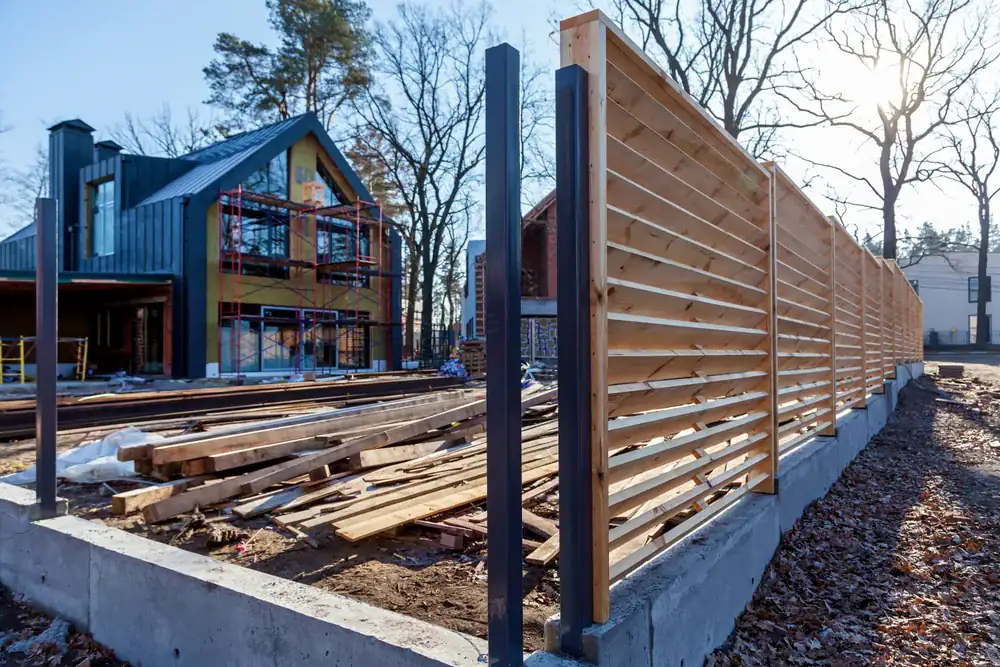
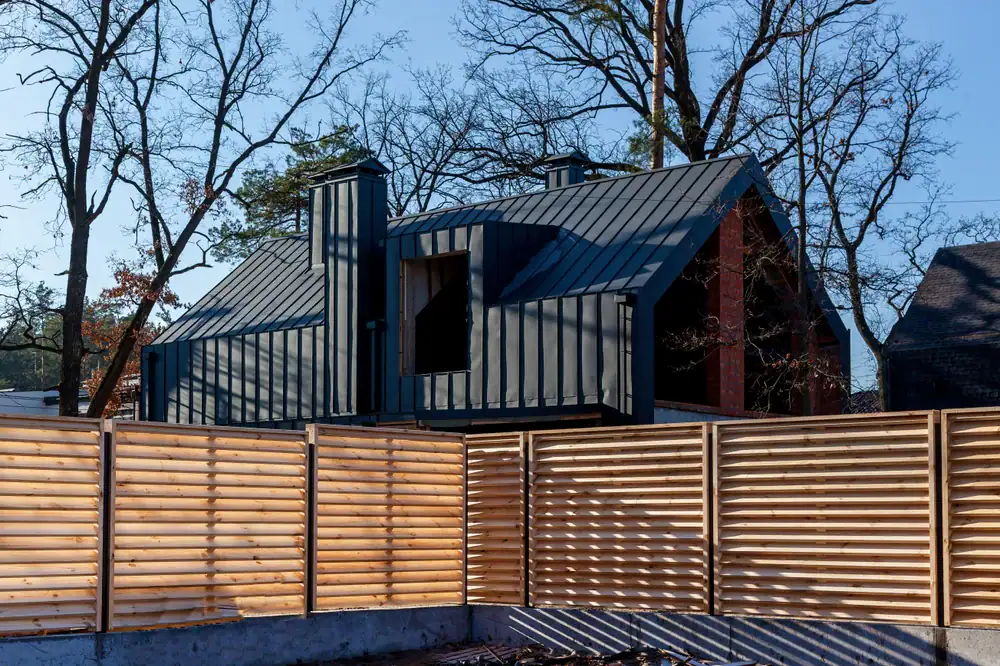
The fence looks clean and level, not like someone eyeballed it on a lunch break. It’s built with materials rated for Long Island’s weather, so you’re not replacing boards or fixing posts every few years because someone used the cheapest option available.
You’re not dealing with permit issues later because the height’s wrong or it’s too close to the property line. That stuff gets handled upfront. And when the job’s finished, your yard actually looks better—not like a construction zone that someone abandoned halfway through.
Local Fence Contractors St. James Trusts
We've Been Doing This for Over 20 Years
We’ve been installing fences across Nassau and Suffolk Counties since before half the subdivisions in St. James were even built. We know the soil conditions here. We know which materials hold up and which ones crack after one winter. We know the local permit requirements because we’ve pulled hundreds of them.
Our crews are background-checked and drug-tested—not subcontractors we found last week. They’re our people, and they show up when we say they will. We’ve worked on properties from the harbor to Nissequogue, and the common thread is simple: people want their fence installed correctly, on schedule, without surprises.
You’re not getting a salesperson who disappears after you sign. You’re working with a local company that’s been here long enough to care about reputation, not just the next job.
Fence Installation Process in St. James
Here's How We Handle Your Fence Installation
It starts with a free estimate. We come out, walk your property, talk about what you’re trying to accomplish—privacy, security, keeping the dog in, whatever it is. We measure, check property lines, and discuss material options that actually make sense for your situation and budget.
Then we handle permits if your project needs them. Height, location, and lot density all factor in, and St. James has specific requirements depending on where your property sits. We pull permits regularly, so we know what’s required and what’s not.
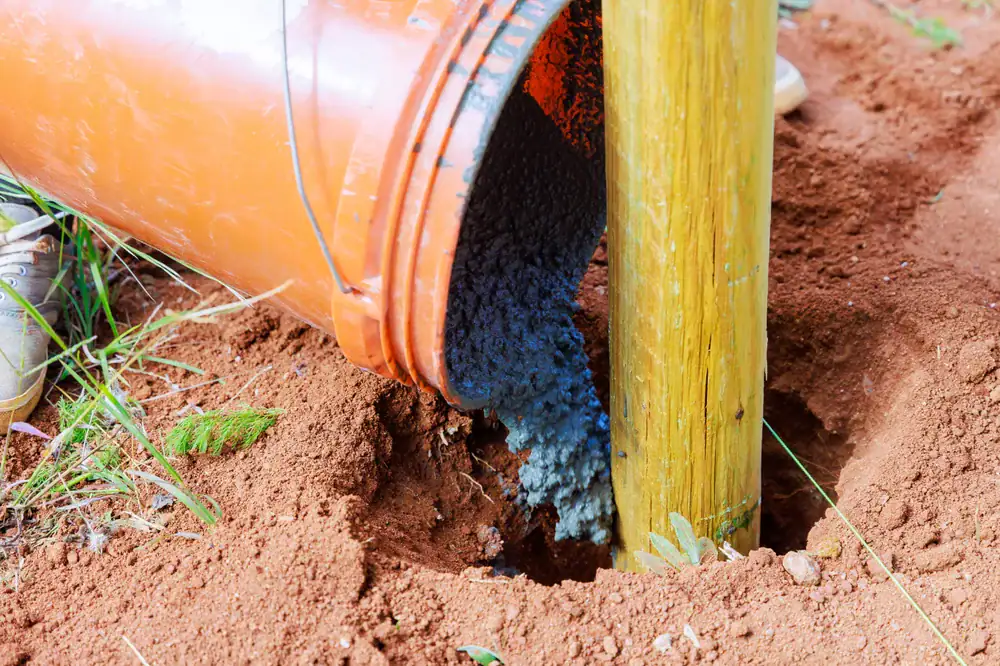
Once that’s clear, we schedule installation. Our crew shows up with the right materials and equipment. Posts go in at proper depth and spacing. Everything’s level and plumb. We’re not rushing to get to the next job—we’re making sure your fence is installed the way it should be.
After installation, we walk the property with you. You see the finished work, we answer any questions, and we clean up. No debris left behind, no half-finished sections, no “we’ll come back next week” nonsense.
Fence installation cost per foot in St. James typically runs between $15 and $40 depending on material, height, and site conditions. Wood privacy fencing sits on the lower end. Vinyl and composite materials cost more upfront but require almost no maintenance. Labor accounts for roughly half the total cost, which is why experience matters—you’re paying for the installation either way.
Most residential projects in St. James run between $2,500 and $5,000 for a standard backyard. Larger properties or commercial installations obviously cost more. We give you a clear number during the free estimate, and that’s what you pay unless you change the scope.
Material quality makes a difference here on Long Island. Cheaper lumber cracks during freeze-thaw cycles. Low-grade vinyl gets brittle in cold weather. We use materials rated for this climate because replacing sections two years later costs you more than doing it right the first time.
We also factor in things like underground utilities, drainage issues, and soil type. St. James properties vary—some have rocky soil, some have drainage concerns near the water. We’ve handled all of it, so we know what to expect and how to adjust.
Do I need a permit for fence installation in St. James, NY?
It depends on your fence height, location, and property zoning. In St. James and surrounding Nassau County areas, fences over a certain height—usually six feet—typically require a permit. Front yard fences almost always need permits because of setback requirements and visibility regulations at intersections.
If your property is in a more densely populated area or part of an HOA, you’ll likely need approval even for shorter fences. Corner lots have additional restrictions because of sight line rules for traffic safety.
We handle permit applications regularly, so we know what the Town of Smithtown requires and how long the approval process takes. During your free estimate, we’ll tell you whether your project needs a permit and factor that timeline into the schedule. It’s better to know upfront than deal with code enforcement later.
What's the best time of year for fence installation in St. James?
Fall is usually your best window. The weather’s still decent for installation, the ground isn’t frozen yet, and demand is lower than spring—which often means better availability and pricing. Spring is the busiest season, so if you’re booking then, expect longer lead times.
Winter installations are possible but come with complications. Frozen ground makes post-hole digging harder and slower. Cold weather can affect certain materials and slow down the crew. If you need a fence installed in winter, it’s doable, but it takes longer and costs a bit more because of the conditions.
Summer works fine, but you’re competing with peak construction season across all trades. If you’re planning a fence for summer, book early. Waiting until June to call means you’re probably looking at August or September installation.
How long does fence installation take in St. James?
Most residential fence installations in St. James take two to five days depending on the size of your property and the type of fence. A standard backyard privacy fence—say, 150 linear feet—usually takes two to three days with a full crew. Larger properties or fences with gates, slopes, or obstacles take longer.
Commercial projects or fences around larger parcels can take a week or more. If we’re dealing with rocky soil, underground utilities, or drainage issues, that adds time. We’ll give you a realistic timeline during the estimate based on your specific property conditions.
Weather can delay things. If it’s pouring rain or the ground’s too wet to work safely, we’re not going to rush it and do a sloppy job. We’d rather delay a day and install it correctly than push through and have posts settling unevenly six months later.
What type of fence material lasts longest on Long Island?
Vinyl and composite materials last the longest with the least maintenance—often 20 to 30 years without needing much beyond occasional cleaning. They don’t rot, crack from freeze-thaw cycles, or need repainting. Upfront cost is higher, but you’re not maintaining or replacing boards every few years.
Pressure-treated wood is the most common choice for privacy fences in St. James because it’s affordable and holds up well if it’s properly maintained. You’ll need to stain or seal it every few years to prevent rot and weathering, but quality pressure-treated lumber can last 15 to 20 years.
Cedar is another solid option—it’s naturally resistant to rot and insects, looks great, and weathers to a nice gray if you don’t stain it. It costs more than pressure-treated pine but less than vinyl. Chain link lasts forever but offers zero privacy, so it’s mostly for commercial properties or people who just need a boundary marker.
The key is matching material to your priorities. If you want low maintenance and longevity, go vinyl. If you want affordability and don’t mind upkeep, go pressure-treated wood.
Do you offer free fencing estimates in St. James?
Yes. We come out, walk your property, measure the area, discuss what you’re looking for, and give you a clear price. No charge for that.
During the estimate, we’ll talk about material options, show you what works best for your situation and budget, and explain what’s involved in the installation. If permits are required, we’ll tell you that too and factor the timeline into the schedule.
The estimate covers everything—materials, labor, permits if needed, and any site-specific considerations like grading or drainage. You’ll know exactly what the project costs before we start. No surprise charges later because we “didn’t realize” your soil was rocky or there was a utility line.
If you want to move forward, great. If you need time to think about it or get other quotes, that’s fine too. The estimate’s free either way, and there’s no pressure to decide on the spot.
Can you install fences on sloped or uneven properties in St. James?
Yes. Sloped properties are common in St. James, especially near the harbor and in older neighborhoods with natural elevation changes. We install fences on slopes regularly using either a stepped method or a racked method depending on the terrain and the type of fence.
Stepped fencing follows the slope in level sections—like stairs. It works well for privacy fences and keeps each panel level and uniform. Racked fencing angles with the slope, which works better for certain styles like picket or rail fences where you want a smooth line that follows the ground.
The method depends on your property’s grade, the fence style, and what looks best. We’ll walk the property during the estimate and explain which approach makes sense for your situation. Sloped installations take a bit more time and planning, but they’re not a problem—we’ve handled plenty of them across Long Island.