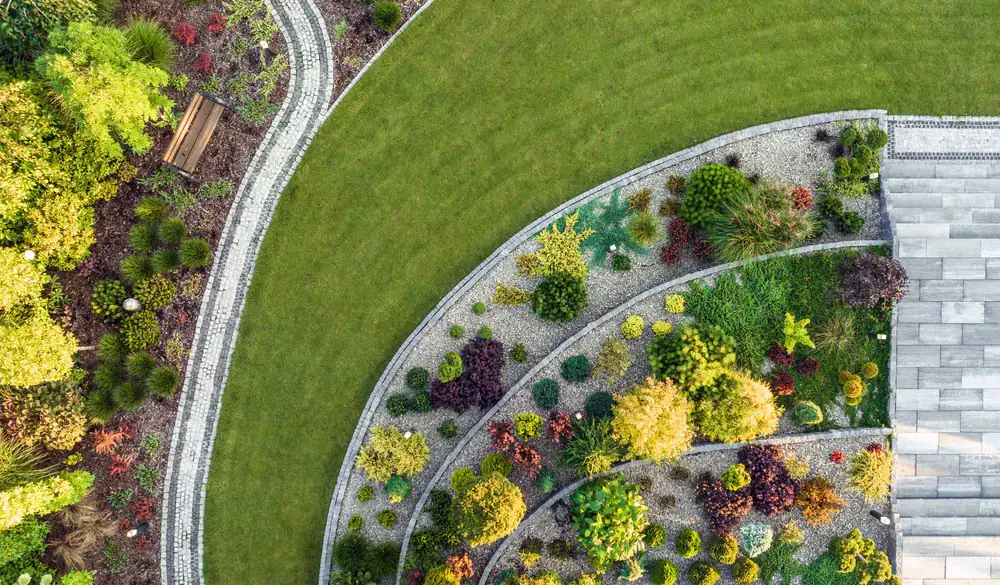
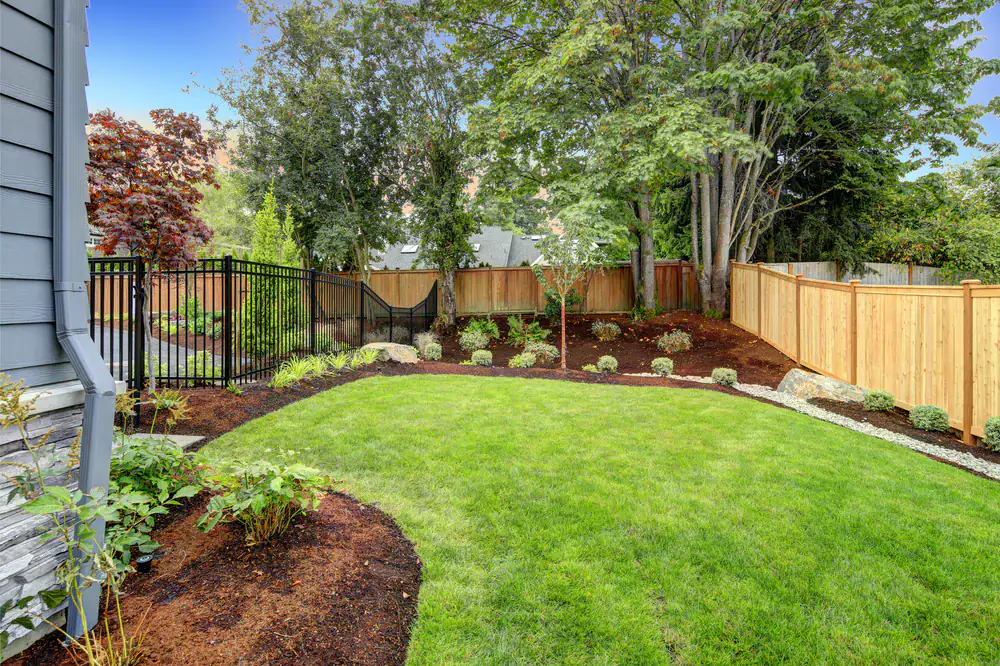
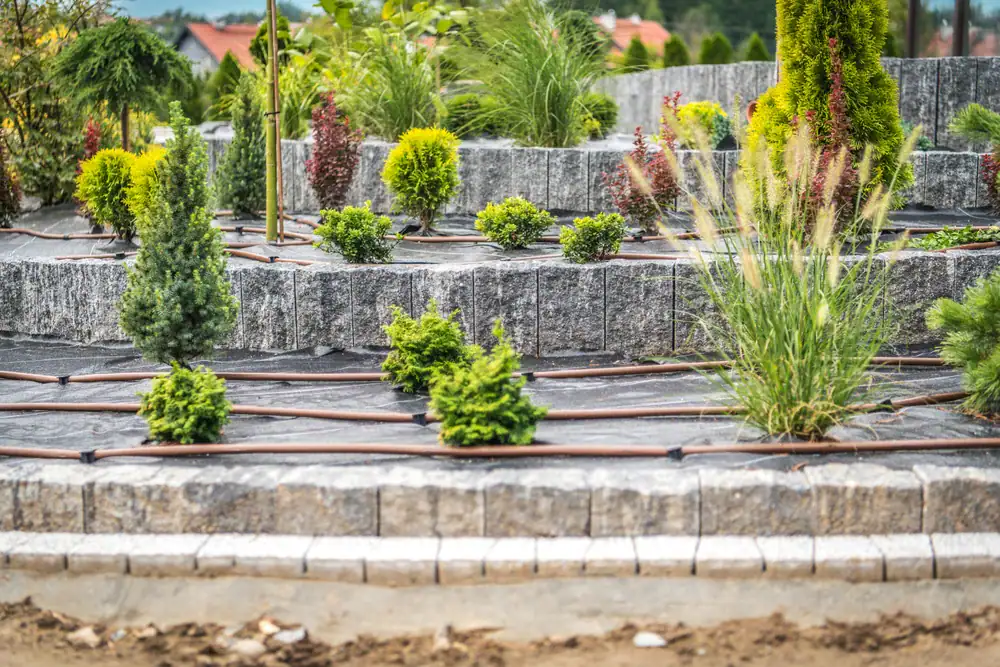
Professional landscape design in Farmingville, NY that handles Long Island’s weather, your property’s quirks, and actually looks the way you pictured it.
They installed a new stone patio and steps in the backyard. Loving it!
Harold Rollings
Best landscape designers ever. They're doing my driveway soon too.
Wendy Adams
They do very professional work Hacen trabajo muy profesional
Lidys Martinez
Farmingville Landscape Design Services
What You Get When It's Done Right
You stop staring at a yard that frustrates you every time you pull into the driveway. Instead, you’ve got outdoor space that works—for entertaining, for curb appeal, for just sitting outside without wishing something looked different.
The right landscape design in Farmingville, NY means you’re not second-guessing material choices three winters from now. It means your patio and walkway design actually complement each other instead of looking like two separate projects. And it means the plants you’re putting in the ground can handle Suffolk County soil and drainage without turning into a maintenance nightmare.
When the design process is clear and the execution is solid, you end up with a backyard transformation that doesn’t need a redo in five years. You get outdoor kitchens that function in real life, not just in renderings. Custom fire pits that become the reason people want to come over. Retaining wall installation that solves your drainage issue and looks intentional.
Farmingville, NY Landscape Contractors
Two Decades on Long Island Properties
We’ve been working on properties across Suffolk and Nassau counties for over 20 years. That’s two decades of dealing with Long Island’s freeze-thaw cycles, understanding how Farmingville soil drains, and knowing which materials hold up and which ones crack.
We’re not new to this. We’ve seen what works and what doesn’t when you’re designing for this climate and these properties. Our team is licensed, background-checked, and experienced in both the landscaping and masonry sides—because those two things either support each other or they don’t, and most problems happen when they’re treated separately.
You’re working with people who know Farmingville. We understand the local property challenges, the aesthetic expectations in the area, and how to design something that fits your home and your block without looking like it was dropped in from somewhere else.
Landscape Design Process Farmingville
Here's What Happens From Start to Finish
It starts with a conversation about what you want and what’s realistic for your property. We walk your yard, look at drainage, sun exposure, existing structures, and talk through how you actually want to use the space. No jargon. No overselling.
From there, we develop a concept. If it makes sense for your project, we’ll use 3D landscape rendering so you can see what it’ll look like before anything gets built. You give feedback. We adjust. This goes back and forth until the plan feels right—not just close enough.
Once the design is locked, we handle the build. That includes everything from site prep to material installation, whether it’s pergolas, outdoor kitchens, or low-maintenance front yard plantings. We’re managing the timeline, the crew, and the details so you’re not coordinating five different contractors.
When it’s done, you’ve got outdoor space that matches what you approved in the design phase. No surprises. No “we’ll fix that later.” Just finished work that’s ready to use.
A complete landscape design in Farmingville, NY covers more than just plants. You’re looking at hardscaping, softscaping, and how those two work together on your specific property. That means patio and walkway design that handles foot traffic and weather. Retaining wall installation that manages grade changes and drainage. Plantings selected for Long Island’s climate and your maintenance preference.
If you want outdoor kitchens, custom fire pits, or pergolas, those get designed into the plan from the beginning—not tacked on later. Everything’s coordinated so the materials, the layout, and the functionality make sense together. We’re also looking at curb appeal ideas for front yards, especially if you’ve recently renovated your home and the exterior hasn’t caught up yet.
For properties with challenging layouts—steep grades, poor drainage, limited sun—we’re designing solutions that work with those conditions instead of ignoring them. Farmingville properties often deal with heavy clay soil and drainage issues, especially in areas closer to the Carmans River watershed. We account for that in material selection and grading.
You’re getting a plan that’s specific to your property, your goals, and your budget. Not a template. Not a cookie-cutter approach. A design that makes sense for your home and how you’ll actually use the space.
How long does a typical landscape design project take in Farmingville?
Design phase usually takes two to three weeks, depending on how complex the project is and how quickly you want to move through revisions. If we’re doing 3D landscape rendering, that adds a few days but it’s worth it—you’ll know exactly what you’re getting before we break ground.
Construction timelines vary. A straightforward patio and walkway design might take one to two weeks. A full backyard transformation with retaining wall installation, outdoor kitchens, and custom fire pits can take four to eight weeks, depending on scope and weather. Long Island weather is unpredictable, and we’re not going to pour concrete or install pavers in conditions that compromise the work.
We’ll give you a realistic timeline upfront. If something changes, we’ll tell you why and when to expect completion. Most delays come from material delivery or weather—not from poor planning on our end.
What should I consider when planning outdoor kitchens in Farmingville?
First, think about how you’ll actually use it. Are you grilling twice a week or twice a summer? That changes what you need. Most people want a grill station, counter space, and storage at minimum. If you’re serious about outdoor cooking, you might want a sink, refrigeration, or a pizza oven.
Placement matters more than people realize. You want the outdoor kitchen close enough to your house that you’re not hiking back and forth for supplies, but positioned so smoke isn’t blowing into your living room. We also look at sun exposure—standing over a hot grill in full afternoon sun isn’t fun—and how it fits with the rest of your outdoor space.
Materials need to handle Long Island winters. Countertops, cabinetry, and appliances all need to be rated for freeze-thaw cycles. We use materials that hold up and don’t require constant maintenance. You’re investing in something that should last 15-plus years, not something that looks great for two seasons and then starts falling apart.
How do I choose between different patio and walkway design options?
Start with how you’ll use the space. If you’re putting furniture on the patio, you want a smooth, level surface—pavers or stamped concrete work well. If you want something more natural-looking, flagstone is an option, but it’s not as flat and furniture can wobble.
For walkways, think about traffic. A front walkway gets used daily and needs to handle snow removal, so you want durable materials with good traction. Pavers are popular because they’re strong, they don’t crack like poured concrete, and if one gets damaged you can replace it without redoing the whole walkway.
Budget plays a role, but so does longevity. Cheaper materials might save you money now, but if they’re cracking or shifting in three years, you’re paying twice. We’ll walk you through what makes sense for your property and your priorities. Some materials look great but require more maintenance. Others are low-maintenance but have a higher upfront cost. We’re not here to upsell you—we’re here to make sure you understand the tradeoffs so you can make the right call for your situation.
What makes a landscape design low-maintenance for Farmingville properties?
Low-maintenance starts with plant selection. Native and adapted plants that thrive in Long Island’s climate need less water, less fertilizer, and less intervention. We’re talking about things like ornamental grasses, black-eyed Susans, and shrubs that don’t require constant pruning. If you’re not interested in spending weekends on yard work, we design around that.
Hardscaping reduces maintenance too. The more space you dedicate to patios, walkways, and retaining walls, the less lawn you’re mowing and less mulch you’re refreshing every year. Pergolas add structure and shade without the upkeep of large trees. Custom fire pits and outdoor kitchens give you functional space that doesn’t need watering or weeding.
Irrigation systems help, especially for front yard curb appeal where you want things looking consistent. Drip irrigation is efficient and keeps plants healthy without you having to drag hoses around. Mulch and ground covers suppress weeds and retain moisture, which means less time spent on maintenance and more time actually enjoying your yard.
Do I really need 3D landscape rendering before starting construction?
You don’t need it, but it eliminates a lot of guesswork. Most people have a hard time visualizing how a design will look based on a flat drawing. 3D landscape rendering shows you the space from multiple angles, with accurate materials, colors, and proportions. You’ll see how the retaining wall installation fits with the patio, how the pergola looks next to your house, and whether the custom fire pit is too big or too small for the space.
It also makes revisions easier. If something doesn’t look right in the rendering, we change it before construction starts. That’s a lot cheaper and faster than realizing halfway through the build that you don’t like the layout. Most clients who use 3D rendering feel more confident in their decisions and have fewer regrets once the project is done.
For complex projects—full backyard transformations, outdoor kitchens, multi-level designs—it’s worth it. For simpler projects, a detailed plan and material samples might be enough. We’ll recommend what makes sense based on your project scope and how comfortable you are visualizing the end result.
How do retaining walls help with drainage issues in Farmingville?
Retaining walls do more than hold back soil—they redirect water and manage grade changes that cause drainage problems. A lot of Farmingville properties have sloped yards or areas where water pools after heavy rain. Retaining wall installation can terrace those slopes, slow down water flow, and channel runoff away from your foundation or low-lying areas.
When we design retaining walls, we’re looking at the grading, the soil composition, and where water naturally wants to go. We build in drainage solutions—like gravel backfill and weep holes—so water doesn’t build up behind the wall and cause it to shift or fail. This is especially important on Long Island where freeze-thaw cycles put extra pressure on hardscape structures.
A well-designed retaining wall also creates usable space. If your yard slopes too much for a patio or outdoor kitchen, a retaining wall can level things out and give you functional outdoor living area. It’s solving a drainage problem and adding value at the same time. Poor retaining wall installation causes more problems than it solves, so this isn’t something you want to cheap out on or try to DIY.