East Hampton properties don’t forgive shortcuts. When a driveway is installed without accounting for the sandy glacial soil that defines the South Fork, you get shifting, settling, and drainage problems within a few seasons. The right installation one that accounts for what’s actually under your feet stays level, drains correctly, and doesn’t need to be rebuilt every few years.
The coastal environment here compounds every installation mistake. Salt air accelerates surface breakdown on asphalt. Freeze-thaw cycles hit harder when coastal moisture is already in the ground. Brick pavers handle both of those conditions better than any other surface material the interlocking system flexes with temperature swings instead of cracking under them, and properly fired clay isn’t chemically affected by salt the way asphalt binders are.
For a property in Wainscott, Amagansett, or East Hampton Village, the driveway is also a design statement. Brick pavers give you pattern options, color choices, and a finished look that asphalt simply can’t match. On a home worth several million dollars, that matters to you now, and to buyers later.
We’ve been working across Suffolk County for over twenty years, with deep roots on the South Fork. That means we understand what sandy coastal soil actually does to a base layer, what salt air does to a surface over time, and what East Hampton homeowners expect from the contractors they hire.
Every project is handled in-house. No subcontractors, no handoffs, no crew showing up that you’ve never met and the project lead has barely spoken to. The same team that walks the property with you for the estimate is the team doing the work. That’s not common in this market, and it makes a real difference when something needs to be addressed mid-project.
We hold a 5.0-star rating on both HomeAdvisor and Angi, are fully licensed and insured, and provide free written estimates before any commitment is made. If you’re in East Hampton Village, Springs, or anywhere else on the South Fork, you’re well within our service area and we know what your property demands.

It starts with a free written estimate. We walk the property, look at the existing surface, assess drainage, and talk through what you want the finished driveway to look like pattern, material, edging, all of it. For properties in the Village of East Hampton, this is also where permitting gets addressed upfront. The Village requires a curb cut permit and a stamped survey before work begins in the right-of-way, and we factor that into the project timeline from the start so there are no surprises.
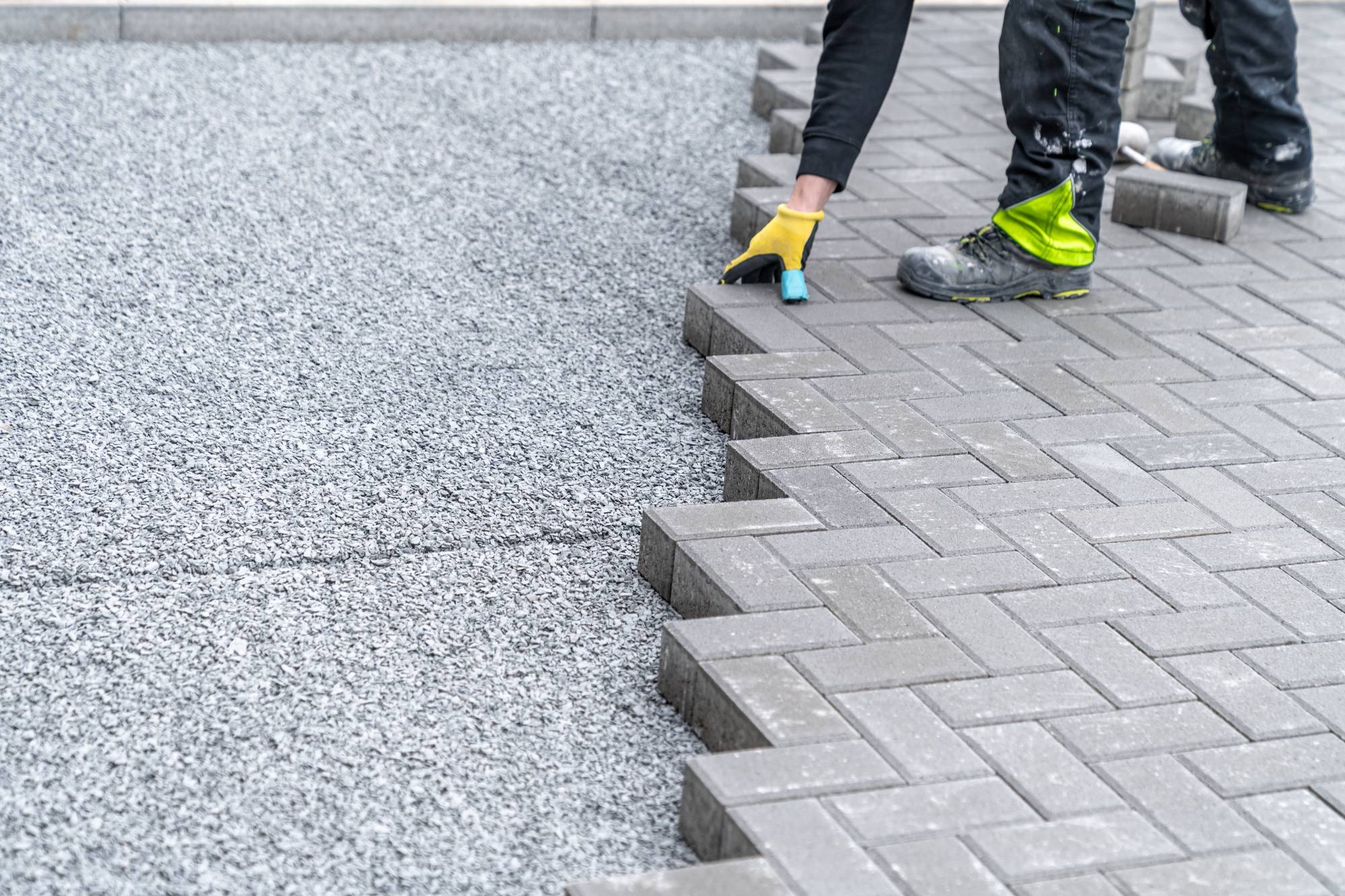
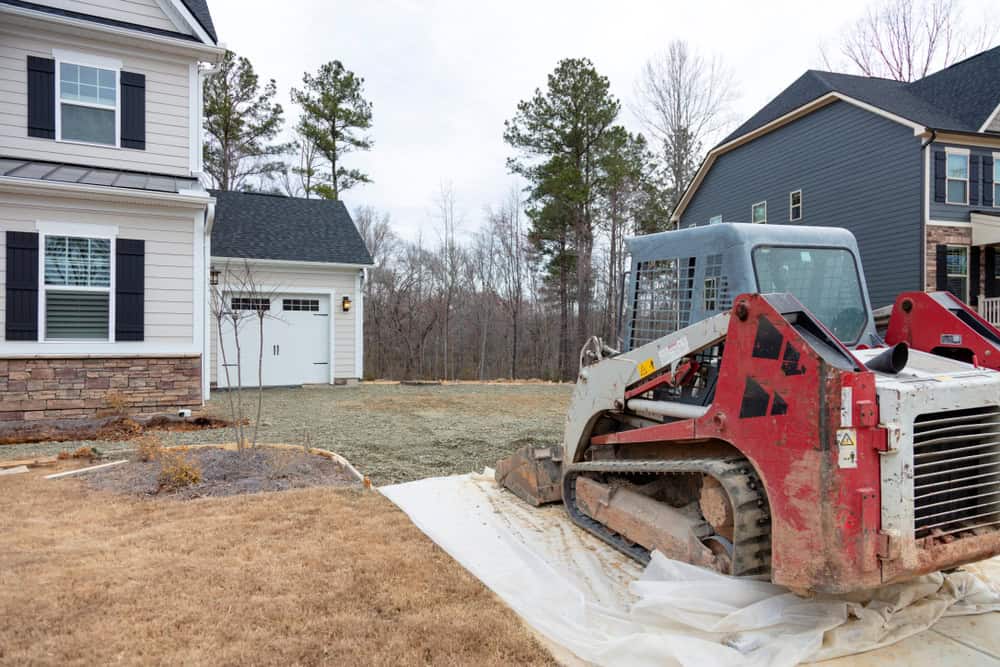
Once the project is underway, the base is where the real work happens. East Hampton’s sandy coastal soil requires deeper excavation and a carefully compacted aggregate base installed in measured lifts not a single pour and done. Edge restraints are secured with long spikes that reach well below the shifting surface layer. This is the part of the job that determines whether the driveway holds its form for fifty years or starts rocking and settling in five.
After the base is set, pavers are laid to the agreed pattern, joints are filled and compacted, and the surface is sealed. Sealing is especially important in a coastal environment it creates a barrier against salt penetration and moisture intrusion that significantly extends the life of the installation. The whole process is managed by our own crew from first dig to final walkthrough.

Brick paver driveways typically run $10 to $45 per square foot installed, with full projects ranging from $6,000 to $18,000 and up depending on size, pattern complexity, and site conditions. In East Hampton, where coastal base engineering adds real labor and material requirements, projects on larger properties or near oceanfront areas tend to sit toward the higher end of that range. That’s not padding it’s what a proper installation on the South Fork actually costs.
When you’re comparing brick driveway paving cost in East Hampton against concrete or asphalt, the upfront number for brick is higher. Concrete costs less to install initially. But concrete requires full-section demolition when it cracks and it will crack, especially under the freeze-thaw and salt air conditions here. Brick pavers can be repaired one unit at a time. A single damaged or stained paver comes out and gets replaced without touching the rest of the surface. Over the life of the driveway, that individual repairability is a significant cost advantage.
There’s also the property value side of it. East Hampton Village has a median home price above $5.6 million. Across the broader Hamptons market, the median topped $2.34 million in 2025. A well-executed brick paver driveway on a property at that level isn’t an expense it’s a visible, measurable improvement that buyers and appraisers notice from the moment they arrive. We provide a free written estimate so you know exactly what your project includes before any work begins.

Brick paver driveways in East Hampton, NY generally run $10 to $45 per square foot installed. For a typical residential driveway, total project costs usually fall between $6,000 and $18,000 though larger estates or more complex patterns push that number higher. On the South Fork specifically, coastal base engineering adds to the cost in a way that inland Long Island projects don’t require. Sandy glacial soil demands deeper excavation, a more carefully compacted aggregate base, and edge restraints secured well below the shifting surface layer. That additional work is what separates a driveway that holds its shape for decades from one that starts shifting after a few winters.
The best way to get an accurate number for your specific property is a free written estimate. We walk the site, look at drainage, discuss material and pattern options, and put everything in writing before any commitment is made. There are no vague ballparks just a clear breakdown of what the project includes and what it costs.
Brick pavers are the strongest long-term choice for coastal properties in East Hampton. The reason comes down to how each material responds to the specific conditions here. Asphalt contains petroleum-based binders that salt air oxidizes over time, accelerating surface breakdown. Poured concrete is rigid when freeze-thaw cycles force movement in the ground beneath it, concrete cracks and those cracks require full-section replacement. Brick pavers are different. The interlocking installation system is designed to flex with temperature changes rather than resist them, and properly fired clay isn’t chemically reactive to salt air the way asphalt is.
Sealing the surface every two years adds another layer of protection it blocks moisture and salt from penetrating the joints and working their way into the base. In a coastal environment like Amagansett or Wainscott, that maintenance step makes a measurable difference in how long the driveway looks and performs at its best.
If your property is within the Village of East Hampton, yes there are specific requirements you need to meet before work in the right-of-way can begin. The Village requires a curb cut permit, and the application must include a stamped and sealed survey that identifies the proposed driveway location, demonstrates adequate line of sight, and notes the location of any power lines, trees, or signs within the Village right-of-way abutting the property. The Village also has a minimum construction standard for driveways in the right-of-way: six inches of stabilized soil subbase and four inches of compacted aggregate.
Beyond the Village, properties near the ocean, bays, or dune systems may also be subject to East Hampton’s coastal protection regulations, which govern what can be built near sensitive coastal features. If your property is in Wainscott, near Georgica Pond, or anywhere close to the shoreline, it’s worth confirming whether additional review applies. We account for permitting requirements at the estimate stage so the project timeline isn’t disrupted once work begins.
The per-square-foot cost to install a brick paver driveway in East Hampton, NY runs higher than in most other Long Island towns, and there are real reasons for it not just market pricing. East Hampton’s sandy coastal soil requires a more engineered base than the denser soils found in western Suffolk County communities like West Babylon or Lindenhurst. Deeper excavation, more carefully compacted aggregate lifts, and longer edge restraint spikes all add labor and material cost. Salt air and freeze-thaw conditions also mean that cutting corners on base preparation or sealant application results in faster failure so a contractor doing the job right here is doing more work per square foot than the same job would require inland.
There’s also the design and finish expectation in this market. East Hampton homeowners typically want pattern customization, premium material selections, and a finished product that complements high-value architecture. That level of detail takes more time and more skilled labor than a standard installation. The cost per square foot reflects all of that and a written estimate from us will break it down clearly so you understand exactly where the number comes from.
A properly installed brick paver driveway in East Hampton, NY can last anywhere from 25 to 100 years. The range is wide because longevity is almost entirely determined by two things: base preparation and ongoing maintenance. A driveway with a correctly engineered base deep enough excavation, properly compacted aggregate, secured edge restraints will hold its structure through decades of coastal freeze-thaw cycles without shifting or settling. One that was rushed or built without accounting for sandy South Fork soil conditions may start showing problems within five years.
On the maintenance side, sealing the surface every two years is the single most impactful thing you can do to extend the life of a coastal paver driveway. It keeps salt and moisture from working into the joints and breaking down the base from below. Beyond that, individual pavers that get damaged or stained can be replaced without disturbing the surrounding surface which is a meaningful advantage over concrete, where one cracked section often means tearing out a much larger area.
Spring is the most in-demand installation window in East Hampton, and for good reason. Seasonal homeowners return from the city in March and April, assess any damage from the winter, and want projects finished before Memorial Day weekend when properties go into active summer use. That window books up fast. If you’re planning a driveway installation for a property you use heavily in summer, reaching out in late winter or very early spring gives you the best chance of getting on the schedule before the pre-season rush fills it.
Fall is the second strong window September and October offer ideal installation conditions, cooler temperatures, and a slower pace after Labor Day. For year-round East Hampton residents, fall installations are often easier to schedule and just as weather-appropriate as spring. What you want to avoid is waiting until mid-summer, when contractor schedules are fully committed and disruption to seasonal property use becomes a real concern. Either way, we provide a free written estimate so you can plan the project and timeline clearly before committing to anything.
Other Services we provide in East Hampton