Considering natural stone for your Long Island hardscaping? Explore the advantages like strength, timeless appeal, and increased property worth.
Share:

Summary:
Natural stone’s advantage is its exceptional foundation. Formed over millennia, stone possesses inherent strength and density that stands up remarkably to wear and tear. It resists damage from heavy foot traffic on patios and walkways and the demanding weather cycles experienced on Long Island, including temperature fluctuations. Unlike some manufactured materials, properly installed stonework doesn’t easily warp, decay, or crumble. This toughness exactly translates to a long lifespan, making natural stone a sound long-term investment for your property.
Specifically, natural stone excels in resisting Long Island’s climate. Its natural composition endures sunlight with minimal fading compared to stained wood or some dyed concrete pavers. It handles rain and moisture, especially when used for features like retaining walls or patios designed with proper drainage by a masonry contractor. While all materials experience some weathering, stone’s dense structure generally makes it less exposed to the kind of cracking, chipping, or surface degradation that can affect other materials more quickly under constant exposure to the elements outdoors.
Specifically, natural stone excels in resisting Long Island’s climate. Its natural composition endures sunlight with minimal fading compared to stained wood or some dyed concrete pavers. It handles rain and moisture, especially when used for features like retaining walls or patios designed with proper drainage by a masonry contractor. While all materials experience some weathering, stone’s dense structure generally makes it less exposed to the kind of cracking, chipping, or surface degradation that can affect other materials more quickly under constant exposure to the elements outdoors.
Natural stone offers unparalleled aesthetic qualities. Each piece possesses unique colors, textures, and patterns imparted by nature, creating visually rich surfaces. Stone integrates into landscape designs, complementing plantings and adding a sense of permanence and organic beauty. Whether aiming for a rustic charm or a formal elegance, there’s a type of stone to match the vision. This appeal doesn’t go out of style and often increases the perceived value of a property.
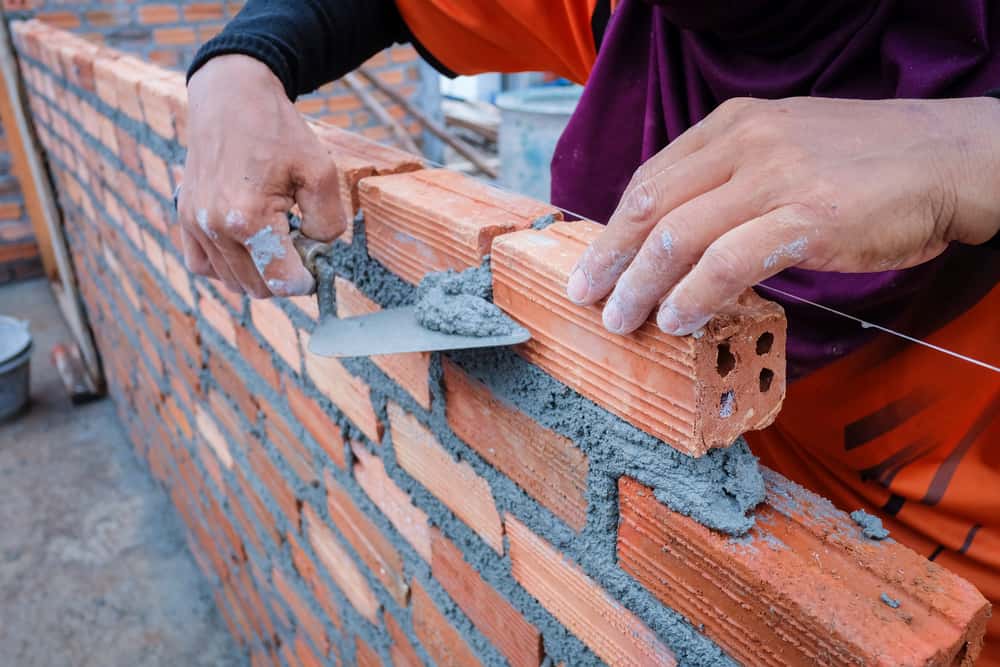
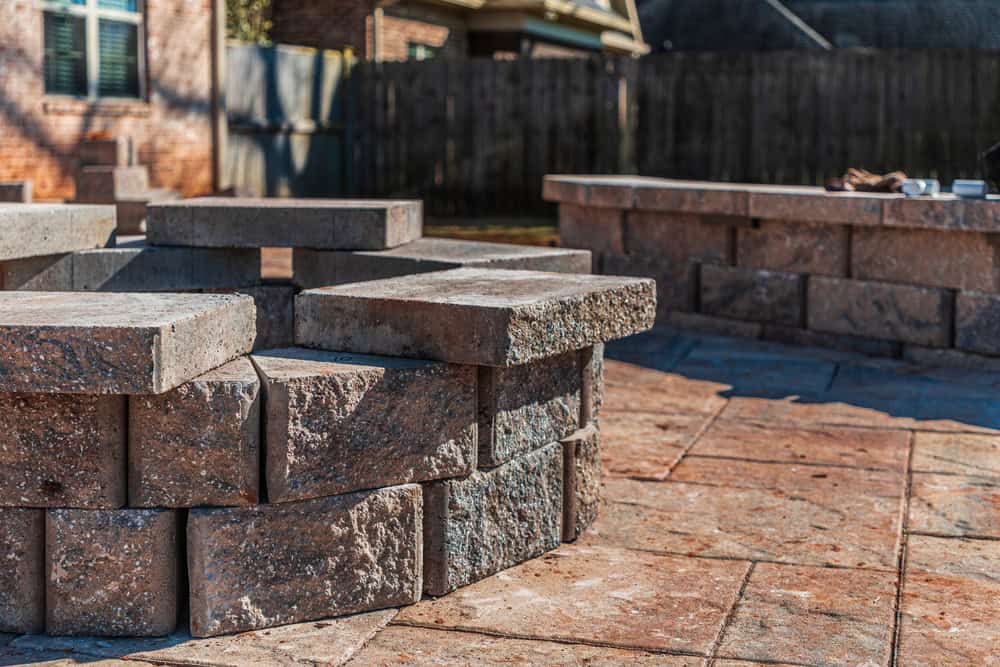
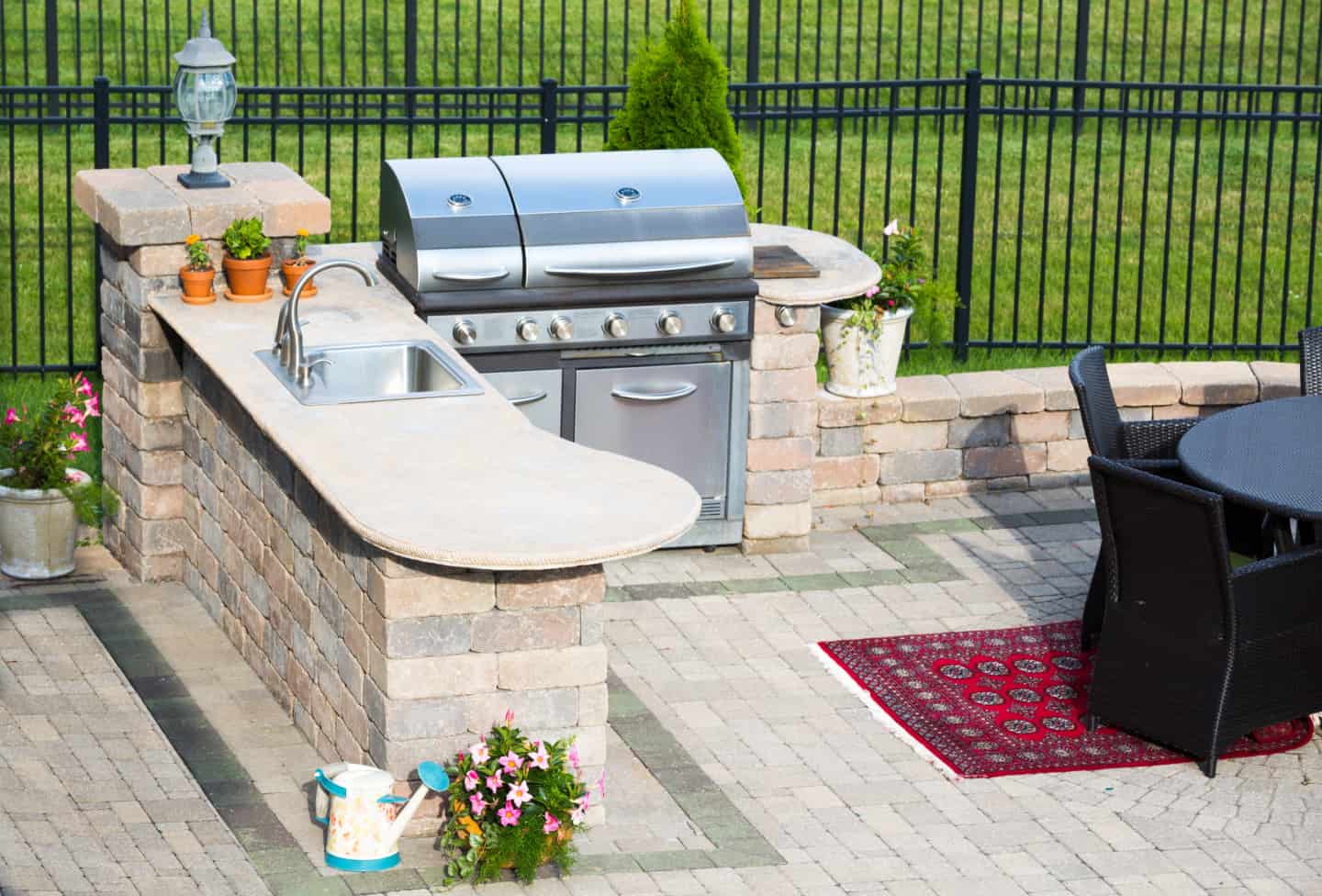
Natural stone’s variety allows incredible design flexibility in hardscaping. Flagstone, with its irregular shapes, creates charming, naturalistic patios and walkways. Granite or bluestone, often cut into uniform shapes, lends itself to more formal designs for steps or sophisticated patios. Fieldstone offers a rustic look perfect for garden walls or accents. Stone veneers provide the look of solid stone masonry on vertical surfaces like foundation walls or outdoor kitchens without the full structural requirements. Stonework techniques also vary; dry-stacked walls offer a traditional look, while mortared joints provide permanence, requiring skills like bricklaying or blockwork adapted for stone.
Because every piece of stone is unique, natural stone projects also differ from each other. This lets your patio, walkway, or wall have a distinct character unmatched by uniform manufactured products. The authentic look and feel of quality stonework often translate into increased property value. Potential buyers frequently perceive well-executed hardscaping using natural materials as a high-end feature, making it worthwhile and a desirable feature
Natural stone benefits are foundation strength, low care demands, timeless allure, flexible applications, and property value. It handles Long Island weather for features like patios, walkways or walls. Proper stonework installation by a masonry contractor matters to obtain these. Contact DLZ Construction and Landscaping Inc. to explore natural stone options for your project.
Article details:
Share:
Continue learning: