Your backyard has potential you're not using. Learn how landscape contractors zone outdoor spaces for dining, lounging, and play using hardscapes and softscapes.
Share:
Summary:
Zoning isn’t about drawing lines on a map. It’s about understanding how you move through your space and what you actually need it to do. We start by asking what happens in your backyard on a typical week. Do you eat outside? Do kids need room to run? Do you host often, or is it mostly family?
Once those priorities are clear, the design process begins. Zones get assigned based on function, sun exposure, and proximity to the house. Dining areas go close to the kitchen. Play zones get pushed toward the back where noise isn’t an issue. Lounging areas land in spots with afternoon shade or nice views.
The magic happens when hardscapes and softscapes work together. Hardscapes—patios, walkways, retaining walls—create the structure. Softscapes—plantings, garden beds, trees—add life and soften the edges. You need both. Too much hardscape feels cold. Too much softscape feels overgrown. The balance is what makes a backyard feel finished.

Dining zones fail when they’re an afterthought. You can’t just drop a table on the grass and call it done. Location matters more than most people realize.
Put your dining area close to the house, ideally near the kitchen or back door. You don’t want to carry food and drinks across the entire yard. A paved or decked surface works best—something level, stable, and easy to clean. Pavers, natural stone, or composite decking all handle the job, but they need proper base prep to avoid settling or shifting over time, especially in areas like Long Island where freeze-thaw cycles can wreak havoc on poorly installed surfaces.
Size the space for how you actually entertain. A table for six needs about 10×10 feet of clear space, minimum. If you host larger groups, plan for 12×14 feet or more. Don’t forget room for chairs to pull out and people to walk around the table without stepping into planting beds or tripping over grade changes.
Shade makes or breaks a dining zone. If your space gets full sun during dinner hours, add a pergola, umbrella, or shade sail. Pergolas also give you a structure to hang string lights or train climbing vines, which adds ambiance without feeling overdone.
Landscaping around the dining zone should frame the space without crowding it. Low hedges, ornamental grasses, or flowering perennials create a boundary that feels intentional. Avoid plants that drop messy fruit or attract bees right next to where people eat. Keep pathways clear and wide enough for someone carrying a tray.
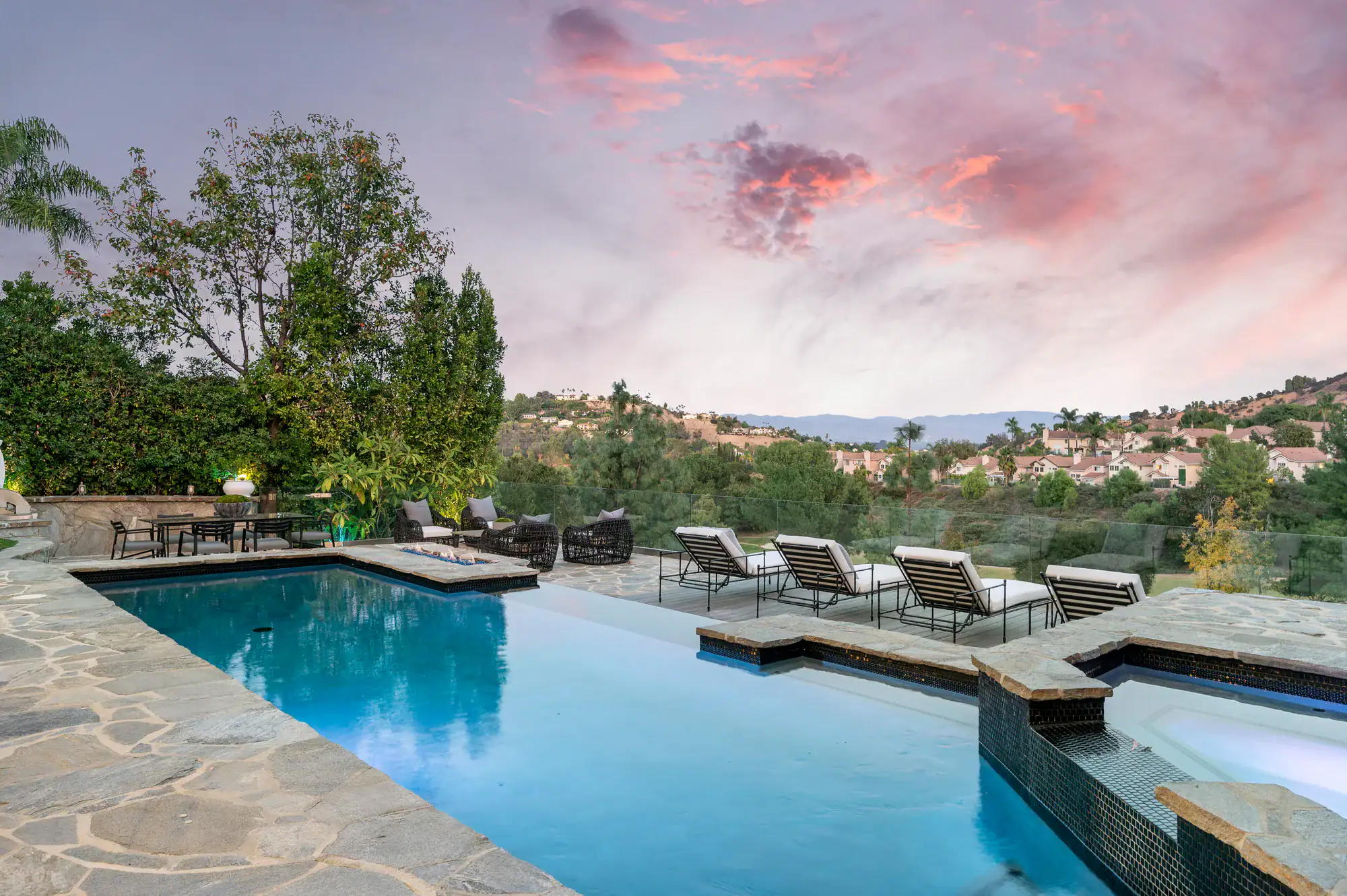
Lounging zones are where people actually relax, so comfort and atmosphere matter more than flash. These areas work best when they feel a little removed from the action—not isolated, just distinct.
Start by identifying spots in your yard that naturally invite you to sit. Maybe it’s a corner with afternoon shade, a view of the garden, or a quiet area away from the street. Lounging zones don’t need to be huge. A 10×12 foot area can comfortably fit a sectional or a few lounge chairs with a fire pit in the center.
Hardscaping here can be softer than your dining zone. Gravel, decomposed granite, or even a low deck work well. If you’re using pavers, consider a less formal pattern or mix in groundcover plants between stones for a more relaxed feel. The goal is to create a surface that defines the space without feeling too rigid.
Fire pits anchor lounging zones like nothing else. They give people a reason to gather and extend the usability of your backyard into cooler months. Built-in fire pits using stone or brick integrate seamlessly with the surrounding hardscape. Portable options work too, but they lack the permanence and polish of a custom design.
Seating should be comfortable and weather-resistant, but it also needs to fit the scale of your space. Oversized furniture in a small yard makes everything feel cramped. Undersized pieces in a large space look lost. Built-in seating—like a low stone wall with cushions—can save space and add a custom touch.
Softscape around lounging areas should create enclosure without blocking sightlines. Tall grasses, medium-height shrubs, or a mix of perennials and evergreens work well. Layering plants at different heights adds depth and makes the space feel more designed. If privacy is a concern, consider adding a trellis with climbing vines or a row of columnar evergreens to screen neighboring properties.
Lighting transforms lounging zones after dark. Path lights guide movement, uplighting highlights trees or architectural features, and string lights or lanterns add warmth. Avoid overly bright fixtures—you want ambiance, not a floodlight.
Hardscapes give your backyard bones. They’re the patios, walkways, retaining walls, and steps that create structure and define where things happen. Softscapes bring the space to life with plants, trees, mulch, and groundcovers that add color, texture, and seasonal interest.
The best backyard designs don’t favor one over the other. We use hardscapes to solve practical problems—managing slopes, directing foot traffic, preventing erosion—and softscapes to soften edges, add privacy, and tie everything together visually. When the balance is right, you don’t notice where one ends and the other begins.
A common mistake is over-hardscaping. Wall-to-wall pavers or concrete might seem low-maintenance, but they make a yard feel sterile and trap heat in summer. On the flip side, all softscape with no structure leads to muddy pathways, undefined spaces, and constant upkeep. Aim for a 40-60 split between hardscape and softscape, adjusting based on how you use the space.
Material choice matters more than most homeowners realize, especially in climates with real winters. Long Island’s freeze-thaw cycles can crack poorly installed concrete, shift pavers, and heave retaining walls if the base isn’t done right.
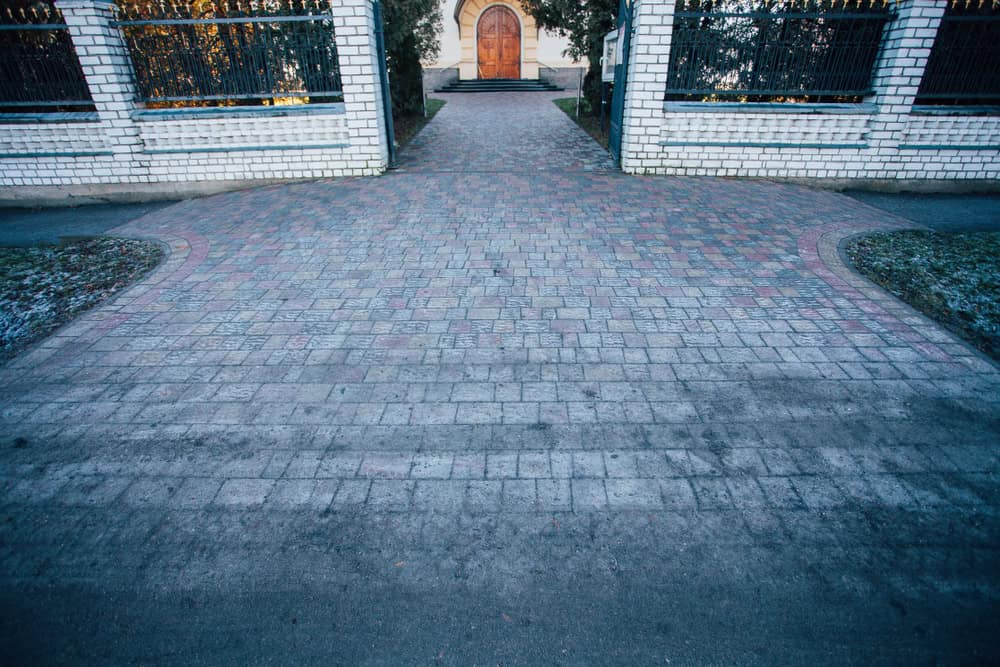
Pavers are a solid choice for patios and walkways because they’re durable, repairable, and handle freeze-thaw better than poured concrete. Natural stone pavers like bluestone or flagstone offer a high-end look and hold up well over time. Concrete pavers cost less and come in more colors and patterns, but quality varies—stick with reputable brands that offer warranties.
Base preparation is where most hardscape projects succeed or fail. A proper base includes excavation, compacted gravel, and sand or stone dust leveling. Skimping here leads to settling, shifting, and drainage problems down the road. In Suffolk and Nassau Counties, understanding local soil conditions and drainage requirements saves you headaches later.
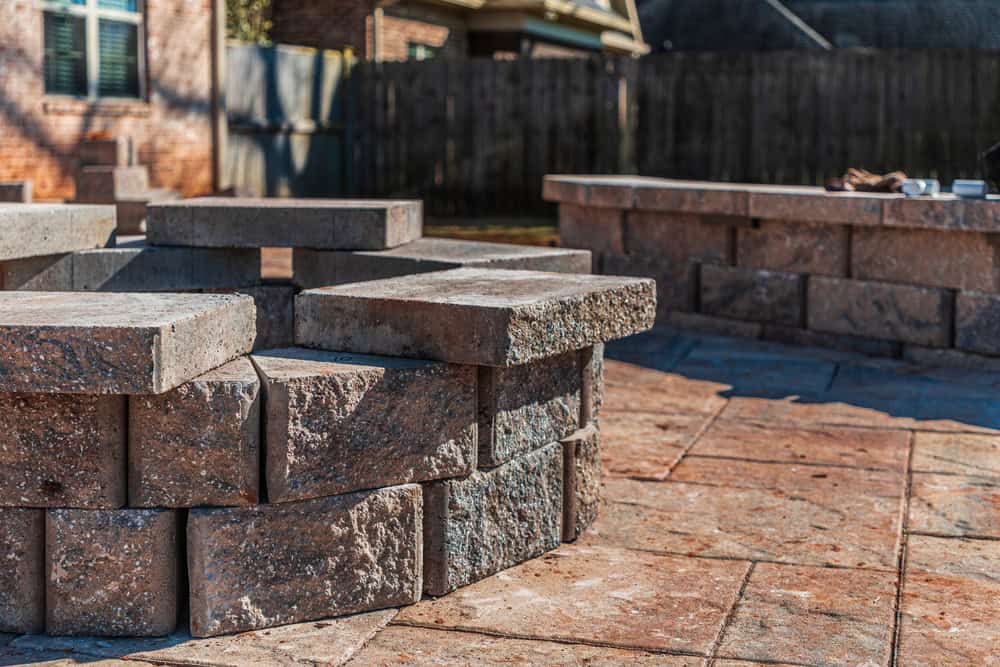
Retaining walls serve double duty—they manage slopes and create usable flat areas while adding visual interest. Natural stone walls have a timeless look but cost more and require skilled masons. Segmental block systems are more affordable, easier to install, and available in styles that mimic natural stone. For walls over three feet, engineering and permits may be required, so check local codes before starting.
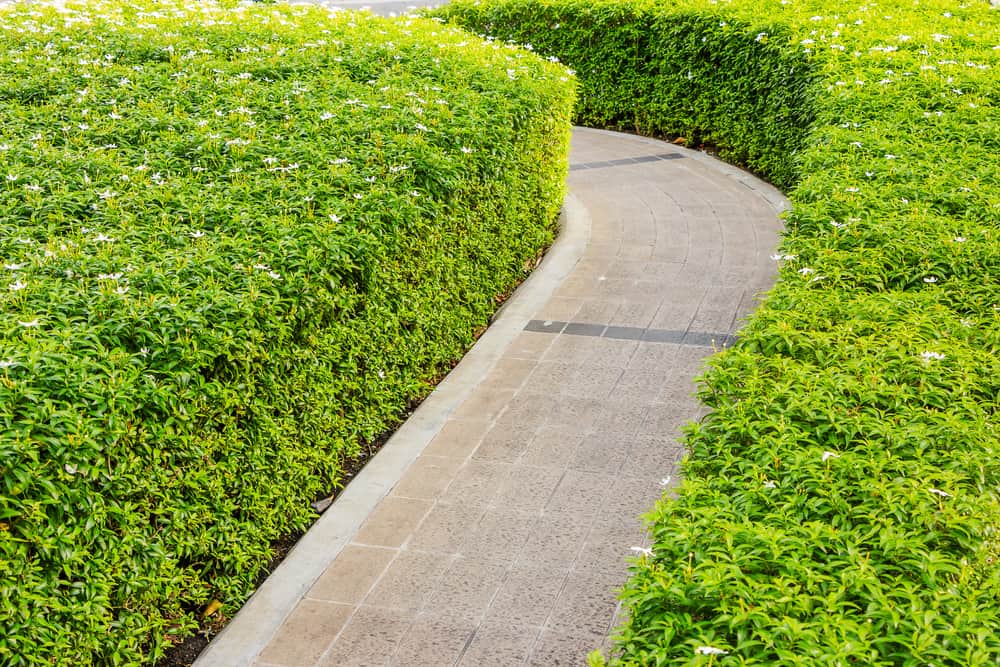
Walkways connect your zones and guide movement through the yard. They should be wide enough for two people to walk side by side—at least 4 feet for main paths, 3 feet for secondary routes. Materials can match your patio for a cohesive look or contrast for visual interest. Gravel paths work well for informal areas, while pavers or natural stone suit higher-traffic routes.
Plants do more than look pretty. They define boundaries, create privacy, add seasonal color, and soften the hard edges of patios and walls. Strategic planting makes the difference between a backyard that feels designed and one that feels like a construction site with some shrubs thrown in.
Start with a planting plan that considers mature size, sun requirements, and maintenance level. Homeowners often pick plants based on how they look at the garden center, then get surprised when that cute little shrub turns into a six-foot monster blocking the walkway. Know what you’re planting and where it’s going.
Layering creates depth and visual interest. Place taller plants—small trees, large shrubs—toward the back or edges of your zones. Mid-height perennials and grasses fill the middle layer. Low groundcovers and edging plants finish the front. This layering mimics natural landscapes and makes your yard feel more established, even if the plants are newly installed.
Evergreens provide year-round structure and privacy. Deciduous plants add seasonal interest—spring blooms, summer foliage, fall color. A mix of both keeps your backyard looking intentional in every season. In Long Island’s climate, choose plants that tolerate both summer heat and winter cold. Native species often perform best because they’re adapted to local conditions.
Use plants to frame your hardscape zones without crowding them. A low hedge of boxwood or ornamental grasses can define the edge of a patio without blocking views. Taller plantings work well behind seating areas to create a sense of enclosure. Avoid planting directly against retaining walls or in spots where roots could eventually cause damage.
Mulch and groundcovers tie softscape areas together and reduce maintenance. Mulch suppresses weeds, retains moisture, and gives planting beds a finished look. Groundcovers like creeping thyme or sedum work well in areas where grass struggles or between pavers for a softer, more organic feel.
Zoning your backyard isn’t complicated, but it does require intention. You need to think through how you’ll actually use the space, not just how it looks in a photo. Dining zones go near the house. Lounging areas land in comfortable spots with good views or shade. Play zones get pushed back where noise and activity won’t interfere with relaxation.
Hardscapes create the structure—the patios, walkways, and walls that define where things happen. Softscapes bring life and beauty, softening edges and adding seasonal interest. The two work together, and when the balance is right, your backyard feels cohesive and purposeful.
If you’re ready to move beyond a yard that just sits there, we can help you design and build outdoor zones that actually work for how you live. With over 20 years of experience in Suffolk and Nassau Counties, we understand local climate challenges, soil conditions, and what it takes to create outdoor spaces that last.
Article details:
Share:
Continue learning: