Discover how DLZ Construction and Landscaping Inc. uses advanced sustainable masonry materials throughout Long Island communities.
Share:

Summary:
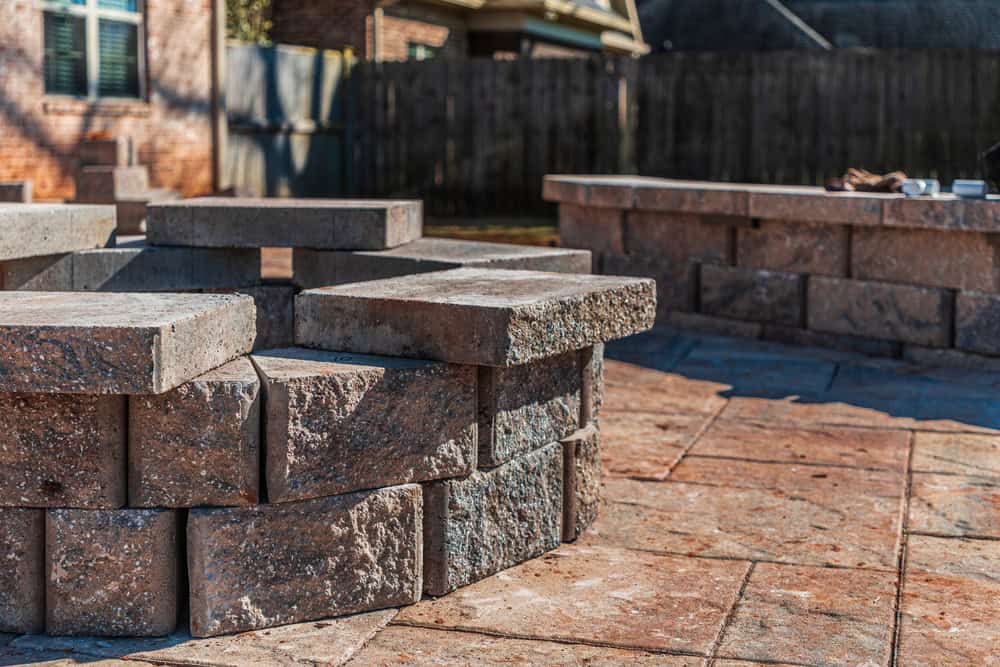
Modern masonry has undergone significant transformation with the introduction of eco-conscious materials. Traditional brickwork now includes options manufactured with reclaimed materials and lower-temperature firing processes, reducing carbon emissions by up to 50% compared to conventional methods. Stonework remains inherently sustainable due to its centuries-long lifespan and minimal processing requirements. Blockwork has evolved to include pervious concrete blocks that allow water filtration, addressing runoff concerns common in Long Island’s coastal areas. Concrete masonry now frequently incorporates recycled aggregates and industrial byproducts like fly ash, reducing landfill waste while maintaining structural integrity. Natural stone continues to serve as a premier sustainable option, requiring minimal processing and offering unmatched durability. Meanwhile, manufactured stone provides comparable aesthetics while using fewer raw resources and energy during production. These advancements allow DLZ Construction to offer Long Island clients environmentally responsible options without sacrificing quality or longevity.
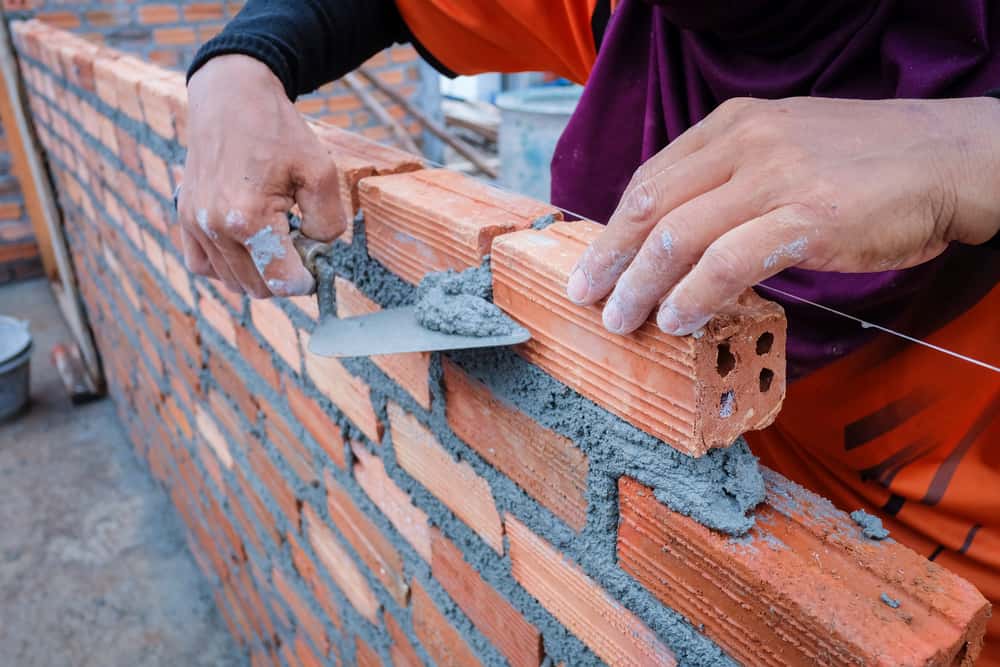
Beyond material selection, masonry practices themselves have become more sustainable through techniques that extend building lifespans. Tuckpointing and repointing services restore deteriorating mortar joints in existing structures, effectively adding decades of service life without replacement. This preservation approach saves thousands of pounds of material from entering landfills for each restored wall. Skilled bricklayers now implement precise measurement and cutting techniques that minimize waste during installation, often reducing offcut materials by 15-20% compared to traditional methods. DLZ Construction’s masons apply these techniques across Long Island projects, preserving historic structures while reducing resource consumption.
Beyond material selection, masonry practices themselves have become more sustainable through techniques that extend building lifespans. Tuckpointing and repointing services restore deteriorating mortar joints in existing structures, effectively adding decades of service life without replacement. This preservation approach saves thousands of pounds of material from entering landfills for each restored wall. Skilled bricklayers now implement precise measurement and cutting techniques that minimize waste during installation, often reducing offcut materials by 15-20% compared to traditional methods. DLZ Construction’s masons apply these techniques across Long Island projects, preserving historic structures while reducing resource consumption.
Digital technology has transformed how masonry projects are planned and executed, significantly reducing material waste and improving efficiency. Building Information Modeling (BIM) software allows bricklayers to visualize projects with millimeter precision before a single brick is laid, optimizing material quantities and reducing overruns by up to 30%. Laser measurement tools enable masons to achieve greater precision during installation, minimizing errors that would require rework and additional materials. 3D modeling of stonework allows for precise cutting patterns that maximize yield from stone blocks, reducing waste during fabrication. DLZ Construction utilizes these technologies across their Long Island operations, resulting in material savings that benefit both clients and the environment. The combination of skilled craftsmanship with digital precision creates projects that meet exacting standards while minimizing environmental impact.
Long Island’s coastal climate presents specific challenges that sustainable masonry addresses effectively. Salt-resistant brick formulations resist deterioration from sea spray, extending facade lifespans in oceanfront properties. Modified mortar mixes with enhanced freeze-thaw resistance perform especially well during Long Island winters. Permeable paving systems using specialized concrete masonry units manage stormwater while filtering pollutants, protecting Long Island’s groundwater. DLZ Construction selects materials based on specific site conditions, considering factors like sun exposure, proximity to saltwater, and local drainage patterns. This site-specific approach results in masonry installations with 30-50% longer service lives compared to generic solutions, reducing lifetime resource consumption and maintenance requirements.
The sourcing of masonry materials plays a significant role in their environmental footprint. DLZ Construction selects locally quarried natural stone from New York and neighboring states, reducing transportation emissions by up to 70% compared to imported alternatives. Regional brick manufacturers supplying DLZ projects typically source clay within 200 miles of production facilities, further reducing embodied carbon. This local focus extends to building relationships with regional suppliers who maintain responsible extraction practices. By choosing materials with local origins, DLZ Construction projects contribute to regional economic stability while minimizing the carbon footprint associated with material transportation, a significant factor in overall project efficiency.
The innovations in sustainable masonry represent a return to construction fundamentals—durable structures that serve for generations—while including modern advancements that reduce environmental impact. From brickwork and stonework to specialized concrete masonry, these materials and techniques create buildings that stand the test of time while treading lightly on the planet. DLZ Construction and Landscaping Inc. remains at the forefront of applying these practices throughout Long Island. For property owners considering masonry projects, these sustainable approaches offer both immediate benefits and long-term value. Contact us to discuss how these innovations can be applied to your next project, creating structures that honor decorative tradition and environmental responsibility.
Article details:
Share:
Continue learning: