Discover which masonry repairs Long Island homeowners should avoid attempting themselves to maintain structural stability and safety.
Share:

Summary:
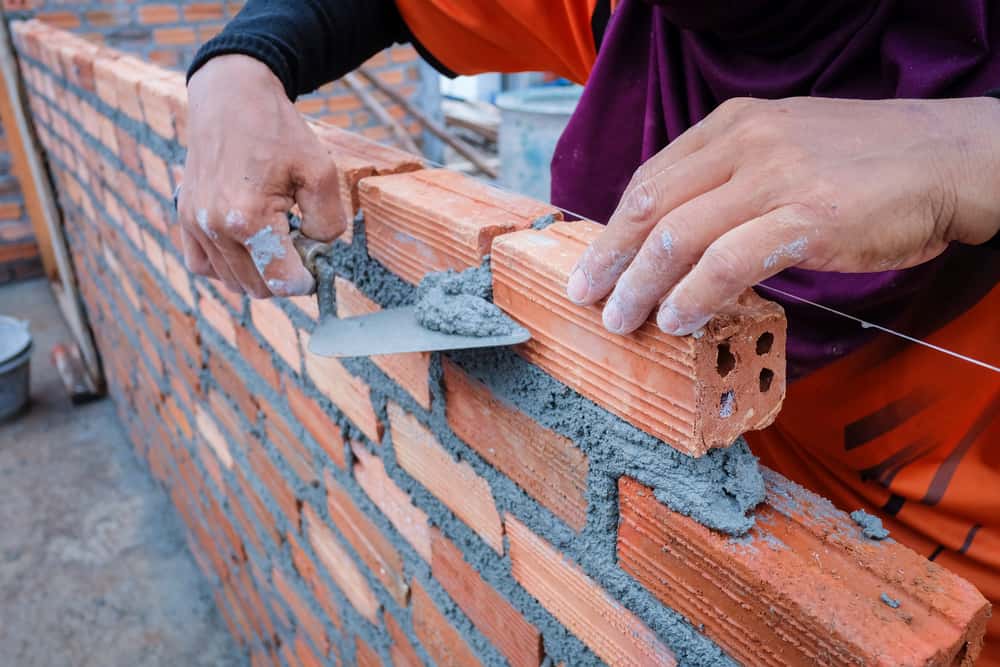
Masonry repair involves intricate techniques that require years of training and hands-on experience. When you tackle complex bricklaying projects without proper knowledge, you risk creating serious structural problems that could affect your entire home. Improper mortar mixing ratios can lead to weak joints that crumble under pressure. Incorrect placement in brickwork can distribute weight unevenly, potentially causing walls to bow or even collapse during severe weather events. Additionally, working with heavy stone materials presents physical risks like back injuries and crushed fingers. Professional masonry contractors bring specialized equipment like hydraulic lifts, industrial mixers, and proper scaffolding that most homeowners simply don’t have access to. For both residential masonry and commercial masonry projects, these tools aren’t just conveniences—they’re essential for completing work safely and correctly the first time.
Masonry contractors possess specialized knowledge about compatible material that’s necessary for a lasting repair. They understand which mortar formulations work with specific types of brick and stone based on factors like porosity, age, and exposure conditions. This expertise in stonemasonry prevents common failures such as spalling (when the face of brick flakes off) or efflorescence (white mineral deposits that appear on surfaces). In Long Island’s coastal climate, where masonry construction faces salt air exposure and freeze-thaw cycles, this knowledge becomes even more vital for creating durable structures that withstand our regional challenges.
Masonry contractors possess specialized knowledge about compatible material that’s necessary for a lasting repair. They understand which mortar formulations work with specific types of brick and stone based on factors like porosity, age, and exposure conditions. This expertise in stonemasonry prevents common failures such as spalling (when the face of brick flakes off) or efflorescence (white mineral deposits that appear on surfaces). In Long Island’s coastal climate, where masonry construction faces salt air exposure and freeze-thaw cycles, this knowledge becomes even more vital for creating durable structures that withstand our regional challenges.
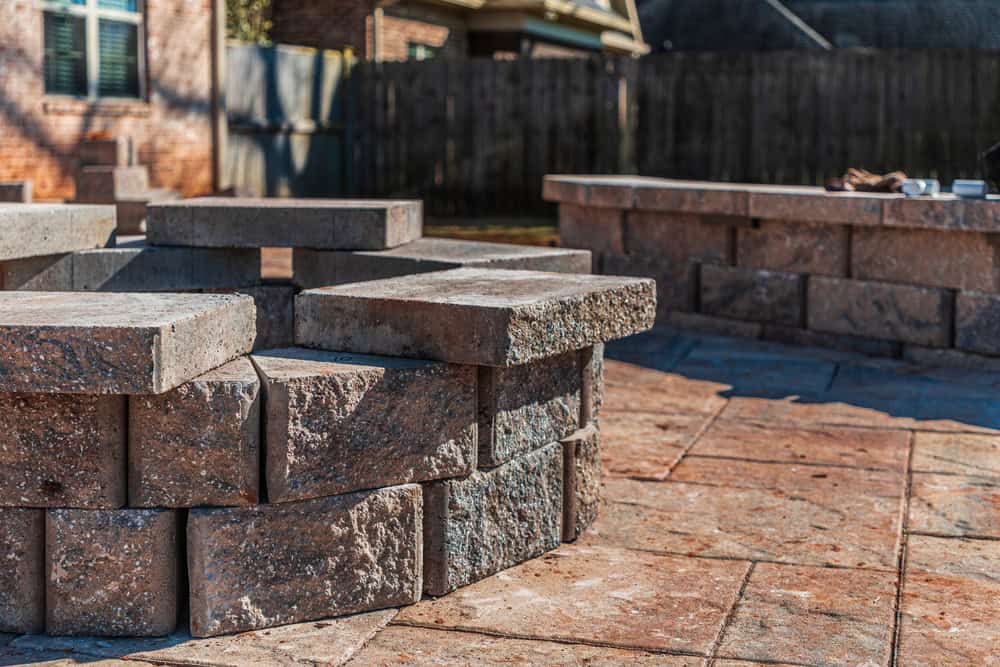
Several masonry repairs present serious risks when attempted without professional training. Structural crack repair tops this list—what appears as a simple surface crack might indicate foundation movement requiring specialized analysis and reinforcement techniques. Chimney brickwork ranks second due to both height dangers and the critical fire safety implications of improper work. Foundation waterproofing comes third, as improper applications can trap moisture against your masonry construction rather than directing it away. Retaining wall stonework follows, with its complex engineering requirements to manage soil pressure and drainage. Finally, historic brick restoration requires specialized knowledge of traditional materials and techniques to preserve both appearance and structural performance. DLZ Construction and Landscaping Inc. specializes in addressing these complex masonry repairs, using proper materials like lime-based mortars for historic structures and modern concrete formulations for new construction.
Professional masonry contractors apply numerous specialized materials and techniques, which are usually inaccessible to most homeowners. For quality residential masonry, they use polymer-modified mortars that increase adhesion and flexibility in repair applications. Proper bricklaying requires diamond-blade grinders with dust extraction systems for joint preparation. For historic stonemasonry, contractors apply lime putty mortars that cure slowly through carbonation, allowing necessary movement in older structures. They install stainless steel helical ties to reinforce failing walls without visible changes to your home’s appearance. In commercial masonry projects, contractors might employ reinforcement techniques like steel lintels or concrete bond beams to add strength to large structures. These advanced materials and techniques contribute to masonry repairs that last decades rather than seasons.
Long Island’s specific climate conditions create unique challenges for masonry structures. The combination of coastal salt exposure, humid summers, and freezing winters accelerates decline in improperly constructed brickwork and stonework. Professional masonry contractors address these challenges by selecting appropriate materials like salt-resistant mortars and proper flashing details that direct water away from vulnerable areas. For commercial masonry projects, they might recommend certain stone types that withstand our freeze-thaw cycles better, while residential masonry might benefit from specific brick varieties that resist salt degradation. This regional knowledge proves invaluable when making repair decisions that will face Long Island’s demanding environmental conditions year after year.
While DIY projects have their place, critical masonry repairs require professional attention to protect both your family’s safety and your property investment. DLZ Construction and Landscaping Inc. brings the necessary training, equipment, and material knowledge to address masonry challenges throughout Long Island. Their masonry contractors understand our region’s specific climate demands and building traditions, offering specialized bricklaying and stonemasonry services for both residential masonry and commercial masonry needs. Contact DLZ Construction today to discuss your masonry construction requirements and receive an assessment from contractors who prioritize lasting quality in every project they undertake.
Article details:
Share:
Continue learning: