Three critical summer masonry projects that homeowners should never attempt alone, plus expert guidance on avoiding costly DIY mistakes.
Share:
Summary:
While the DIY route might seem cost-effective, masonry is more complex than it appears. A common DIY mistake, such as incorrect grading, can lead to water pooling and expensive repairs down the road. The reality is that masonry work involves precision engineering disguised as simple stonework.
A job that takes homeowners weeks or months can be completed by a professional team in days. Working with heavy stone, cutting brick, and lifting concrete can be dangerous without proper training. Beyond the time and safety factors, there’s the expertise that comes from understanding Long Island’s unique climate challenges, soil conditions, and building codes.

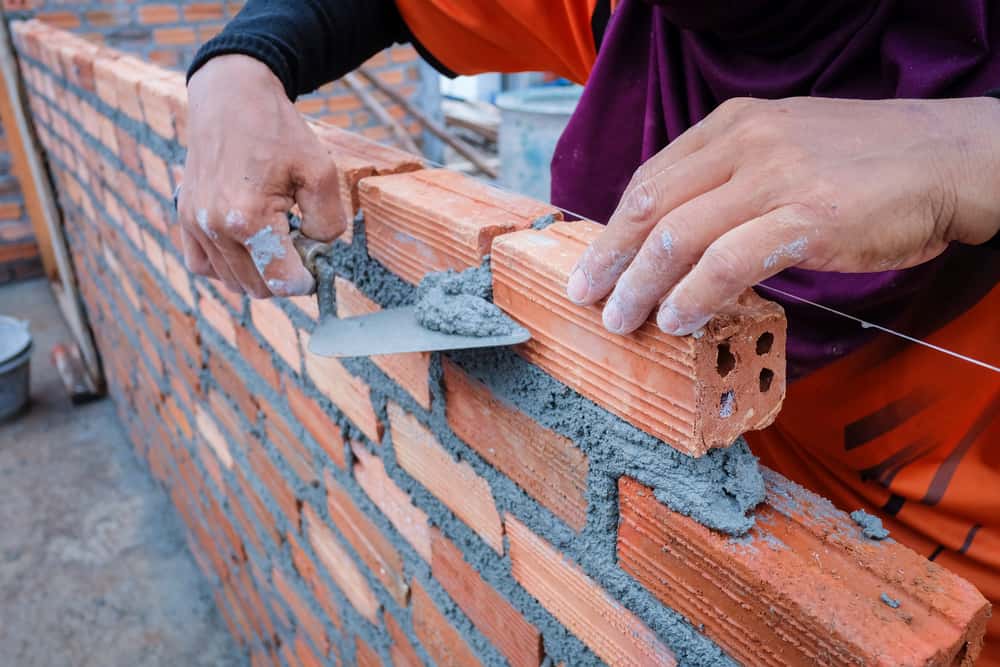
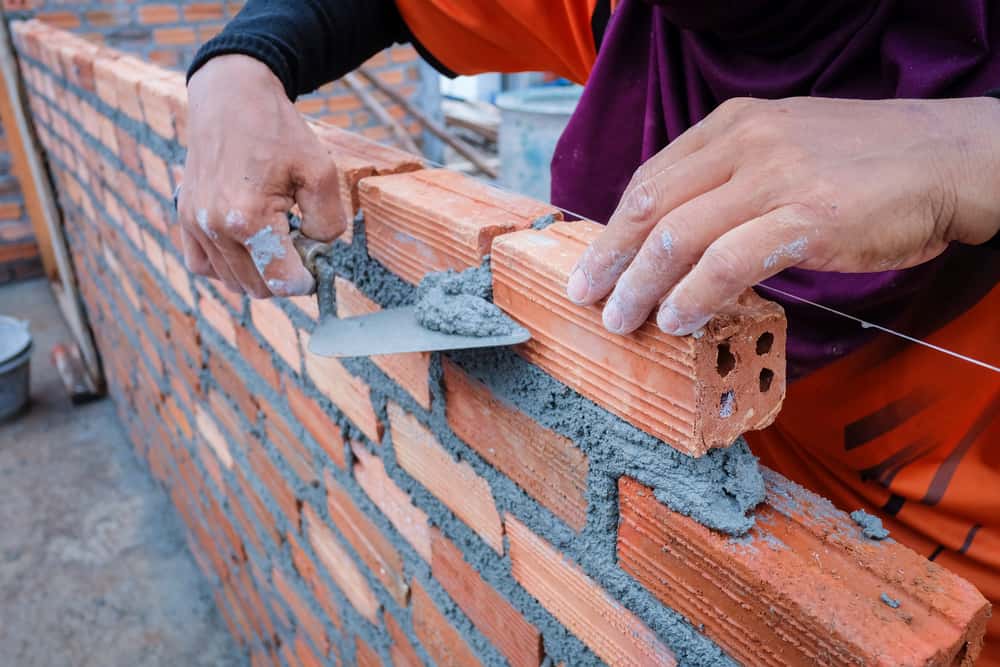
Masonry requires more than just stacking stones or laying pavers. Precision is essential to prevent uneven surfaces, improper drainage, or shifting over time. Professional masons understand: proper grading & base preparation for structural integrity, the right mortar mix & materials for durability, design aesthetics that enhance your home’s curb appeal.
What looks like a straightforward patio installation actually involves multiple layers of preparation that most homeowners never consider. The base preparation alone requires specific knowledge about soil compaction, drainage slopes, and material ratios. One common mistake is failing to properly prepare the site. Leveling the ground and ensuring proper drainage are crucial steps that shouldn’t be skipped, as they prevent water pooling and uneven surfaces.
Then there’s the material selection process. Another misstep is cutting corners with materials. While budget-friendly options might be tempting, low-quality pavers often don’t hold up to Long Island’s fluctuating weather. Investing in durable, weather-resistant pavers will save you money and headaches in the long run. Professional masonry contractors understand which materials work best in our specific climate and how to source them at competitive prices.
The technical aspects extend beyond just laying materials. Moisture is one of the most significant threats to masonry. Water can seep into bricks and mortar, leading to cracks, mold, and structural damage. Understanding how to create proper water management systems isn’t something you pick up from a weekend tutorial.
One of the primary advantages of custom stone patios is their durability. Unlike traditional concrete, natural stone can withstand Long Island’s harsh winters and hot summers without cracking or fading. This longevity means less frequent repairs and replacements, saving homeowners time and money in the long run.
But achieving that durability requires understanding how our local climate affects different materials and installation methods. One of the significant advantages of pavers is their ability to withstand Long Island’s freeze-thaw cycles without cracking. This isn’t automatic – it requires proper installation techniques that account for expansion and contraction.
Freeze and thaw cycles are hard on joint sealants and structures in winter environments require extra diligence. Professional masonry contractors know how to select and install materials that can handle these seasonal stresses. We understand which sealants work best in our humid summers and cold winters, and how to create expansion joints that prevent cracking.
The coastal environment adds another layer of complexity. Salt air, humidity, and occasional storm surges all affect how masonry materials perform over time. Poorly mixed or applied mortar can weaken the structure, resulting in crumbling joints over time. Cracks may appear due to thermal expansion, foundation settling, or improper installation techniques.
What many homeowners don’t realize is that different areas of Long Island have different soil conditions that affect foundation stability. A professional masonry contractor brings local knowledge about these variations and how to adjust installation techniques accordingly. This isn’t something you can learn from generic online tutorials.
After working with Long Island homeowners for over two decades, certain projects consistently cause problems when attempted as DIY jobs. These three summer projects might look manageable, but they involve technical complexities that can lead to expensive failures if not handled properly.
Each of these projects involves structural elements, drainage considerations, and material expertise that go far beyond what most homeowners can safely manage. Let’s break down why these specific jobs demand professional attention.

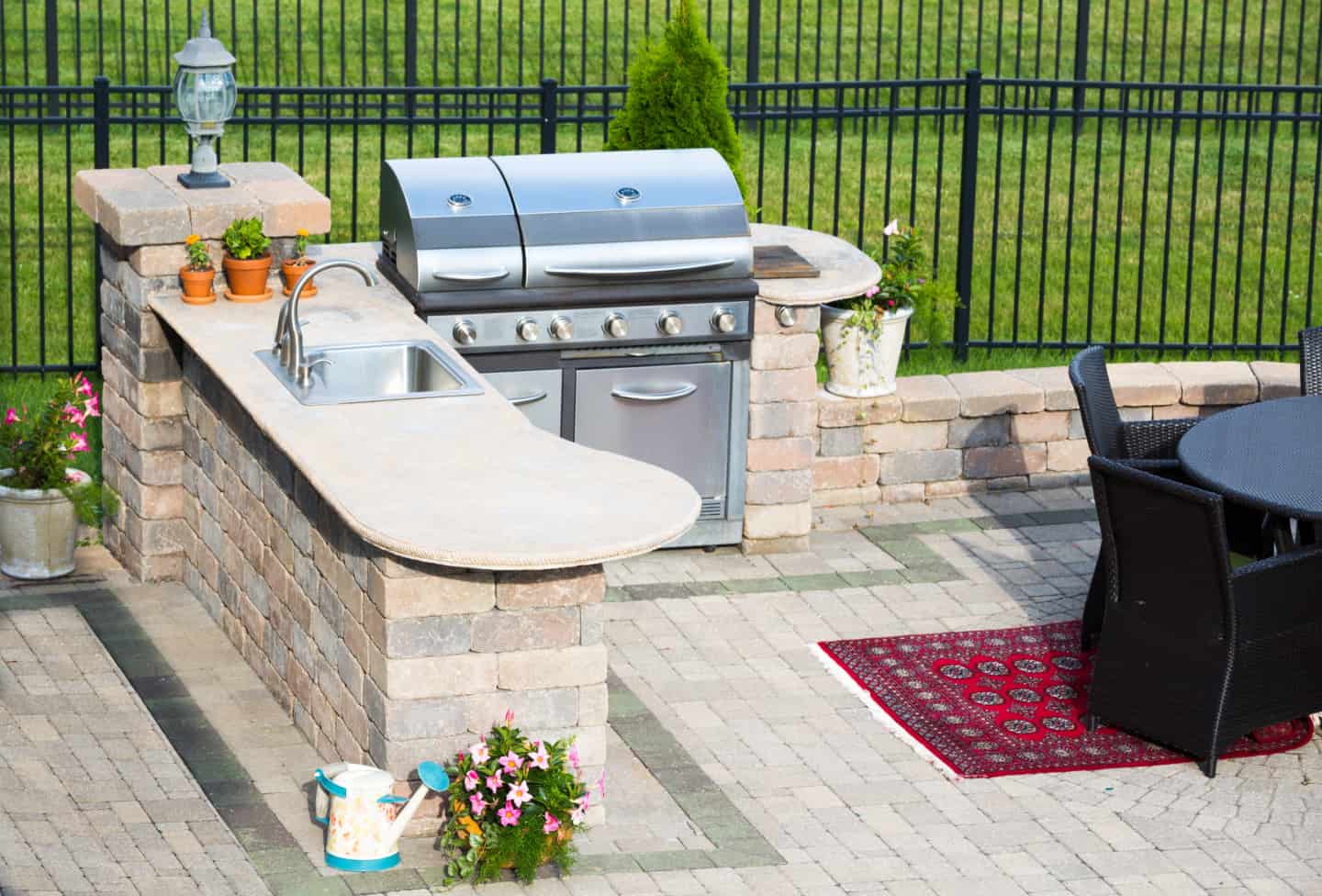
Backyards, patios, decks, and outdoor kitchens are more than just “nice to haves.” In 2025, they’re deal-makers. People are shopping for homes with outdoor spaces that function like additional living rooms—designed for entertaining, unwinding, and even remote work. This increased importance means you can’t afford to get it wrong.
On average, homeowners spent $7,633 on patio, deck and porch projects, significantly more than the $4,207 average for all projects. With that kind of investment, the margin for error is slim. A poorly constructed patio doesn’t just look bad – it can create safety hazards and drainage problems that affect your entire property.
The complexity starts with site preparation. Every patio needs proper excavation, base material installation, and grading for drainage. A common DIY mistake, such as incorrect grading, can lead to water pooling and expensive repairs down the road. At DLZ Construction and Landscaping Inc., we specialize in high-quality, long-lasting, professional masonry installations built to withstand Long Island’s unique climate.
Then there’s the technical installation process. Furthermore, we use commercial grade asphalt steam rollers and heavy-duty power plate compactors to prepare the RCA aggregate prior to installation. All paving stone and brick work is guaranteed for five years against any craftsmanship defects, which includes settling. This level of equipment and expertise isn’t available to DIY installers.
Material selection adds another layer of complexity. The look and longevity of your patio depend heavily on the materials you choose. From the timeless elegance of natural stone to the modern appeal of concrete pavers, each material offers distinct aesthetic and practical advantages. Professional contractors understand how different materials perform in our climate and can guide you toward choices that match both your budget and long-term goals.
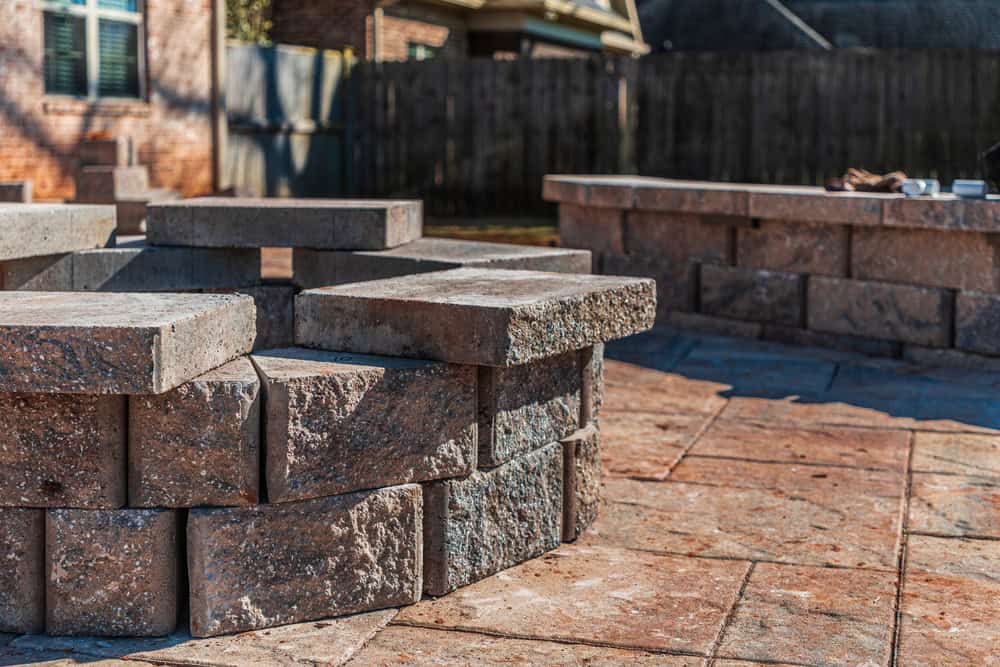
Retaining walls serve multiple purposes: they prevent soil erosion, create usable flat areas on sloped properties, and add visual interest to landscaping designs. But what many homeowners don’t realize is that retaining walls are structural elements that require engineering knowledge to build safely.
The height of your retaining wall determines the complexity of the project. Walls over a certain height require permits and engineering calculations to ensure they can handle soil pressure and water loads. We inspect the foundation for signs of settling before starting masonry work. We use reinforcement techniques, such as rebar, in high-stress areas. We incorporate expansion joints in large masonry structures to accommodate temperature changes.
Drainage is critical for retaining wall success. When water is pervasive, masonry walls will begin to flex and bow. This is a clear sign that restoration work is needed to repair the structural wall and the source of water entry. A lack of cap flashing or incorrect installation that allows water to seep into masonry elements is a common cause of bowing walls.
Professional masonry contractors understand how to install proper drainage systems, including weep holes, French drains, and waterproof membranes. We know how to calculate the loads that different soil types create and how to design foundations that can handle those forces. If you see bowing and flexing in a masonry wall, contact a restoration expert immediately to address the issue.
The consequences of retaining wall failure go beyond just rebuilding the wall. Failed retaining walls can damage neighboring properties, create safety hazards, and even affect your home’s foundation. This is why most insurance companies won’t cover damage from DIY retaining wall failures, but they will cover damage from professionally installed walls that fail due to unforeseen circumstances.
Don’t risk costly DIY mistakes. Let DLZ Construction and Landscaping Inc. bring your vision to life with expert craftsmanship and premium materials. The truth is, some projects are worth the investment in professional installation from the start.
If your project involves structural integrity, drainage, or heavy materials, it’s best left to professionals. At DLZ Construction and Landscaping Inc., we’re committed to excellence, durability, and customer satisfaction. When you’re ready to move forward with your summer masonry project, we bring the experience, equipment, and expertise to get it right the first time.
Your summer project dreams don’t have to become winter repair nightmares. Make the smart choice and invest in professional masonry services that will enhance your property value and provide years of enjoyment.
Article details:
Share:
Continue learning: