Discover how to choose the best masonry contractors on Long Island for durable stonework and concrete construction that withstands local weather challenges.
Share:

Summary:
Long Island’s climate creates specific challenges that your masonry contractor must understand. Our winters bring freeze-thaw cycles that can destroy poorly installed work within a few seasons.
When water penetrates small openings in masonry, it freezes, expands, and progressively widens cracks each winter. This means contractors who don’t account for proper drainage and material selection will leave you with expensive repairs down the road.
The coastal environment adds another layer of complexity. Salt air, humidity, and temperature fluctuations demand materials and techniques that many contractors from other regions simply don’t understand.

Local expertise isn’t just nice to have—it’s essential for masonry work that lasts. We understand soil conditions, local building codes, and the specific materials that perform best in our environment.
We know which pavers can withstand our freeze-thaw cycles without cracking. We understand how to properly grade and prepare foundations to handle our clay soils and drainage challenges. Most importantly, we’ve seen what works and what fails after years of Long Island weather.
This local knowledge shows up in every aspect of our work. From selecting the right mortar mix for our climate to understanding permit requirements in different townships, we navigate challenges that can derail projects and inflate costs.
When you’re evaluating contractors, ask about their specific experience in your area. How long have they been working on Long Island? Can they provide references from recent projects in Suffolk or Nassau County? Do they understand local building codes and permit processes?
The answers to these questions will quickly separate contractors who truly understand Long Island masonry from those who are simply looking for work in our area.
Before you consider any masonry contractor, verify their credentials. This isn’t just about protecting yourself legally—it’s about ensuring you’re working with professionals who meet industry standards.
Start with licensing. In New York, masonry contractors should carry proper licensing for the type of work they’re performing. Don’t take their word for it—ask to see documentation and verify it’s current.
Insurance is non-negotiable. Your contractor should carry both general liability and workers’ compensation insurance. General liability protects your property if something goes wrong during construction. Workers’ compensation protects you from liability if someone gets injured on your property.
Ask for certificates of insurance and verify they’re current. A legitimate contractor will provide this documentation without hesitation. If they can’t or won’t, move on immediately.
Beyond basic requirements, look for contractors certified by the Mason Contractors Association of America. This certification demonstrates commitment to industry standards and ongoing education. It’s not required, but it’s a strong indicator of professionalism.
Don’t overlook bonding either. A bonded contractor provides additional financial protection if they fail to complete the work or don’t pay their suppliers. While not always necessary for smaller projects, bonding adds another layer of security for significant investments.
The questions you ask during the selection process will determine whether you find a quality contractor or end up with problems. Don’t rely on price alone—focus on understanding their approach, experience, and commitment to quality.
Start with experience questions that go beyond years in business. Ask about specific projects similar to yours. How many retaining walls have they built? What’s their experience with the specific materials you want to use?
Get specific about their process. How do they handle site preparation? What steps do they take to ensure proper drainage? How do they protect work during weather delays?
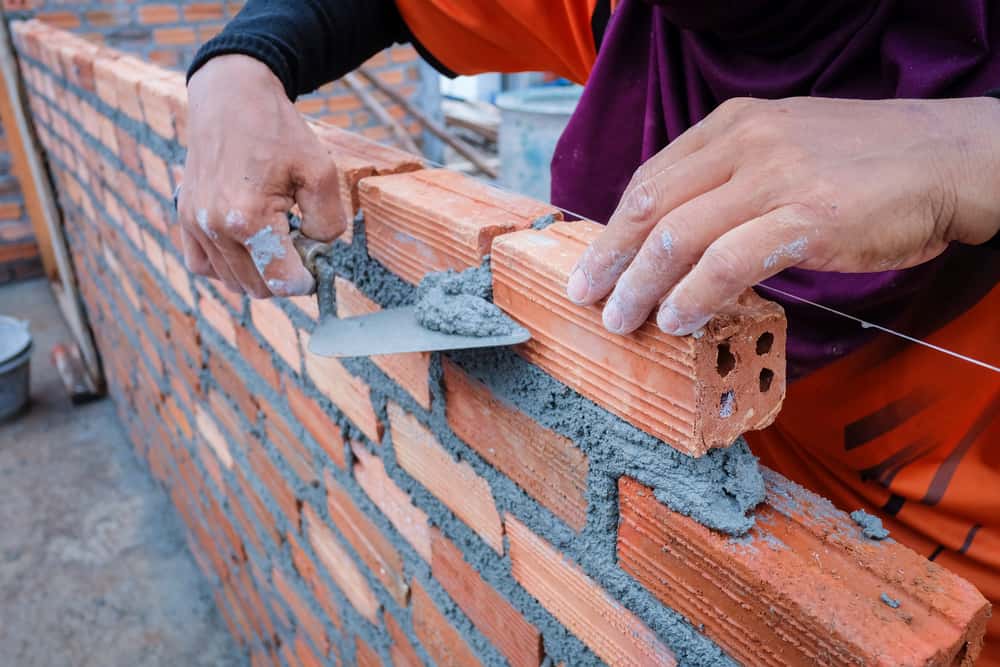
Long Island weather can significantly impact masonry projects, and experienced contractors plan accordingly. Understanding how your contractor handles weather delays and seasonal challenges reveals their professionalism and planning skills.
Masonry work requires specific temperature and moisture conditions. Quality contractors won’t rush work during unsuitable weather, even if it means project delays. We understand that shortcuts taken to meet deadlines often result in failed installations that need expensive repairs.
Ask how they handle weather delays. Do they have contingency plans? How do they protect partially completed work? What happens if weather prevents work for extended periods?
Seasonal timing matters too. Some masonry work is better suited to certain times of year. Spring and fall often provide ideal conditions, while summer heat and winter cold can create challenges. Experienced contractors will advise you on optimal timing for your specific project.
Don’t accept vague timelines. Quality contractors provide detailed schedules that account for material delivery, site preparation, installation phases, and potential weather delays. We communicate regularly about progress and any necessary adjustments.
If a contractor seems unconcerned about weather or promises unrealistic timelines regardless of conditions, consider it a red flag. Quality masonry work requires patience and proper conditions—contractors who don’t respect this rarely deliver lasting results.
The materials your contractor selects and recommends reveal their commitment to quality and understanding of Long Island conditions. Not all masonry materials perform equally in our climate, and experienced contractors know the difference.
For pavers and stone work, ask about freeze-thaw resistance. Materials that work well in milder climates may fail after a few Long Island winters. Quality contractors specify materials tested for our conditions and back their recommendations with manufacturer warranties.
Mortar selection is equally critical. Different mortar types perform differently in various conditions. The wrong mortar mix can lead to premature failure, especially in our climate with significant temperature swings and moisture exposure.
Ask your contractor to explain their material recommendations. Why are they suggesting specific products? How do these materials perform in Long Island’s climate? What warranties or guarantees come with the materials?
Quality contractors work with reputable suppliers and can provide detailed specifications for all materials. We understand the performance characteristics of different options and can explain the trade-offs between cost, appearance, and longevity.
Be wary of contractors who seem indifferent to material selection or always recommend the cheapest options. While budget considerations are important, the lowest-cost materials often lead to the highest long-term costs through premature failure and replacement needs.
Choosing the right masonry contractor requires looking beyond price to understand experience, credentials, and commitment to quality. Focus on contractors who understand Long Island’s unique challenges and have the local experience to handle them properly.
Verify credentials, ask detailed questions, and don’t rush the selection process. The difference between a quality contractor and a poor choice often becomes apparent years later when weather and time test the installation.
Remember that the best masonry work is an investment that adds value to your property for decades. When you’re ready to move forward with your project, consider reaching out to us at DLZ Construction and Landscaping Inc. for a consultation that puts your needs first.
Article details:
Share:
Continue learning: