Choosing between paver and concrete driveways? Discover which material handles Long Island's harsh winters better and delivers lasting value.
Share:

Summary:
Before diving into costs and comparisons, let’s establish what you’re actually choosing between. These materials couldn’t be more different in how they’re installed and how they perform over time.
Concrete gets poured as one solid slab. Once it cures, you have a smooth, continuous surface that’s relatively quick to install. The simplicity keeps initial costs lower, but that rigid structure becomes a liability when the ground shifts or temperatures fluctuate.
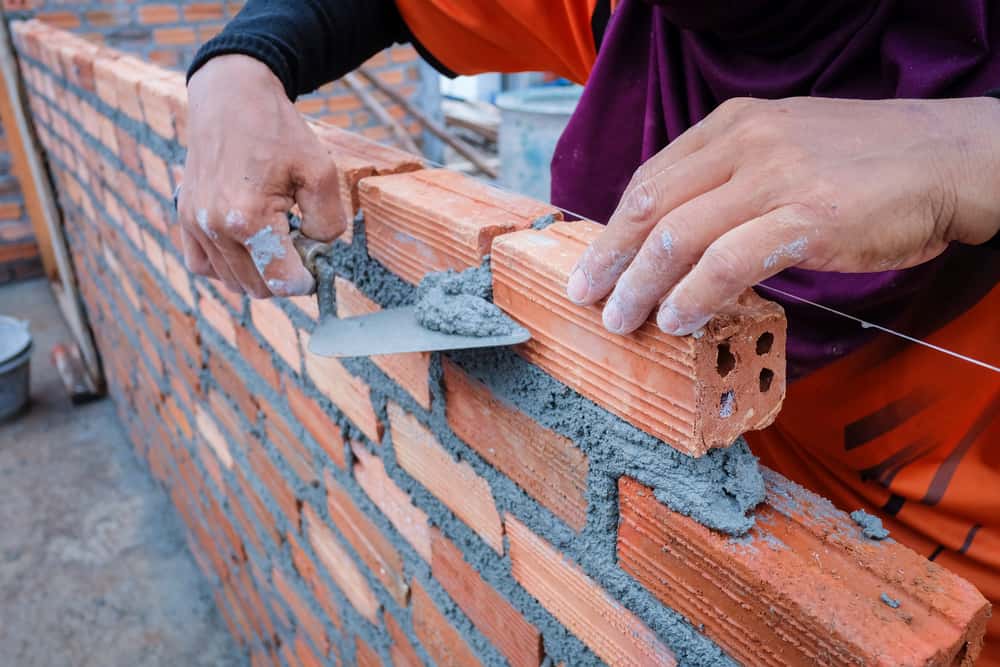
Pavers are individual pieces installed by hand over a carefully prepared base. Each unit can move independently, creating a flexible surface that adapts to ground movement and temperature changes. The installation takes longer and costs more upfront, but this flexibility pays dividends in durability and maintenance savings.

Long Island’s intense freeze-thaw cycles create surface cracks as water penetrates openings, freezes and expands, widening cracks that can evolve into larger alligator cracks or pothole formation. This isn’t a minor inconvenience—it’s the primary reason driveways fail prematurely in our area.
New York experiences extreme temperature swings leading to freeze-thaw cycles where water seeps into concrete cracks, freezes and expands during cold winters, causing cracks to widen and concrete to deteriorate in repeated cycles. What starts as hairline cracks in spring becomes major structural damage by the following winter.
Long Island driveways face the toughest weather—from scorching summers to brutal freeze-thaw cycles that crack lesser materials, leaving homeowners tired of patching, resealing, and watching their property’s curb appeal deteriorate year after year. The salt used for winter ice control accelerates this deterioration, particularly with concrete surfaces.
Pavers handle these conditions differently. Each paver unit expands and contracts independently, distributing stress across thousands of individual pieces rather than concentrating it in vulnerable spots—this is why you’ll see brick roads from the 1800s still functioning perfectly while concrete highways need constant repair.
The textured surface of pavers also provides better traction during icy conditions. The slip-resistant surface becomes crucial during Long Island’s icy winters, while the darker colors also absorb heat more effectively, helping to melt snow and ice faster than lighter-colored alternatives.
Snow severely damages driveways through freezing and thawing cycles that expand and contract pavement, plus melting snow creates water run-off that pools on surfaces, causing asphalt or concrete deterioration over time. Poor drainage isn’t just an aesthetic issue—it’s a structural threat.
Concrete relies entirely on proper slope and grading to move water away from the surface. Concrete relies on perfect sloping to direct water away, and if it’s not done right, you’ll get puddling, stains, or surface breakdown. When that slope isn’t perfect—and it rarely stays perfect as the ground settles—you end up with standing water that finds its way into microscopic cracks and begins the freeze-thaw destruction cycle.
Pavers are more forgiving, as the small spaces between stones let water drain naturally into the ground, helping prevent pooling and freeze-related damage. This natural permeability means water doesn’t build up pressure against the surface during freeze cycles.
For Long Island homeowners dealing with unpredictable weather, that drainage matters. We see everything from sudden spring thaws that create massive runoff to summer storms that dump inches of rain in minutes. Pavers handle these extremes better because water has multiple escape routes instead of being forced to follow a single drainage path that can become overwhelmed or blocked.
The gaps between pavers also allow for thermal expansion without creating stress cracks. When temperatures swing from below freezing to 80 degrees in a matter of days—common during Long Island springs—pavers accommodate that movement naturally while concrete fights against it until something gives way.
Let’s address the elephant in the room: pavers cost more upfront. Concrete driveway cost in Long Island ranges from $7 to $13 per square foot for un-reinforced concrete, while driveway pavers cost $10 to $30 per square foot on average, with high-end options costing $25 to $50 per square foot.
But here’s what those numbers don’t tell you: While concrete costs less to install initially and is quicker to pour with less labor, it’s rigid and prone to cracking—once it starts to wear, repairs can get expensive and are usually easy to spot, with patches and resurfaces adding up over time.
The real cost comparison happens over decades, not just the first year after installation.

Pavers cost more upfront, but their long-term maintenance tends to be easier and more affordable—if one stone chips or shifts, you can replace it without touching the rest, so while the first invoice for concrete might look better, pavers often save money over time.
Consider what happens when your driveway needs repair. With concrete, even minor damage often requires patching that’s visible forever or complete resurfacing that costs nearly as much as the original installation. Concrete is prone to cracking over time due to weather fluctuations, ground movement, and heavy loads, and once a concrete driveway cracks, repairs are noticeable and often require costly resurfacing or replacement.
Pavers are designed to be interlocking and flexible, which means they resist cracking, and if a paver is damaged, it can be easily replaced without affecting the surrounding area. You’re not looking at wholesale replacement—just the specific area that needs attention.
The numbers tell the story: Concrete driveways may need major repairs or full replacement within 10–20 years, whereas a well-installed paver driveway can last 50+ years with minimal maintenance. Even with higher upfront costs, the math works in favor of pavers for most Long Island homeowners who plan to stay in their homes long-term.
Properly installed brick pavers can last 50-75 years with minimal maintenance, with individual damaged pavers replaceable without affecting the surrounding area—no resealing required, no wholesale replacement needed, making the math compelling when you calculate total cost of ownership over decades rather than just the initial price tag.
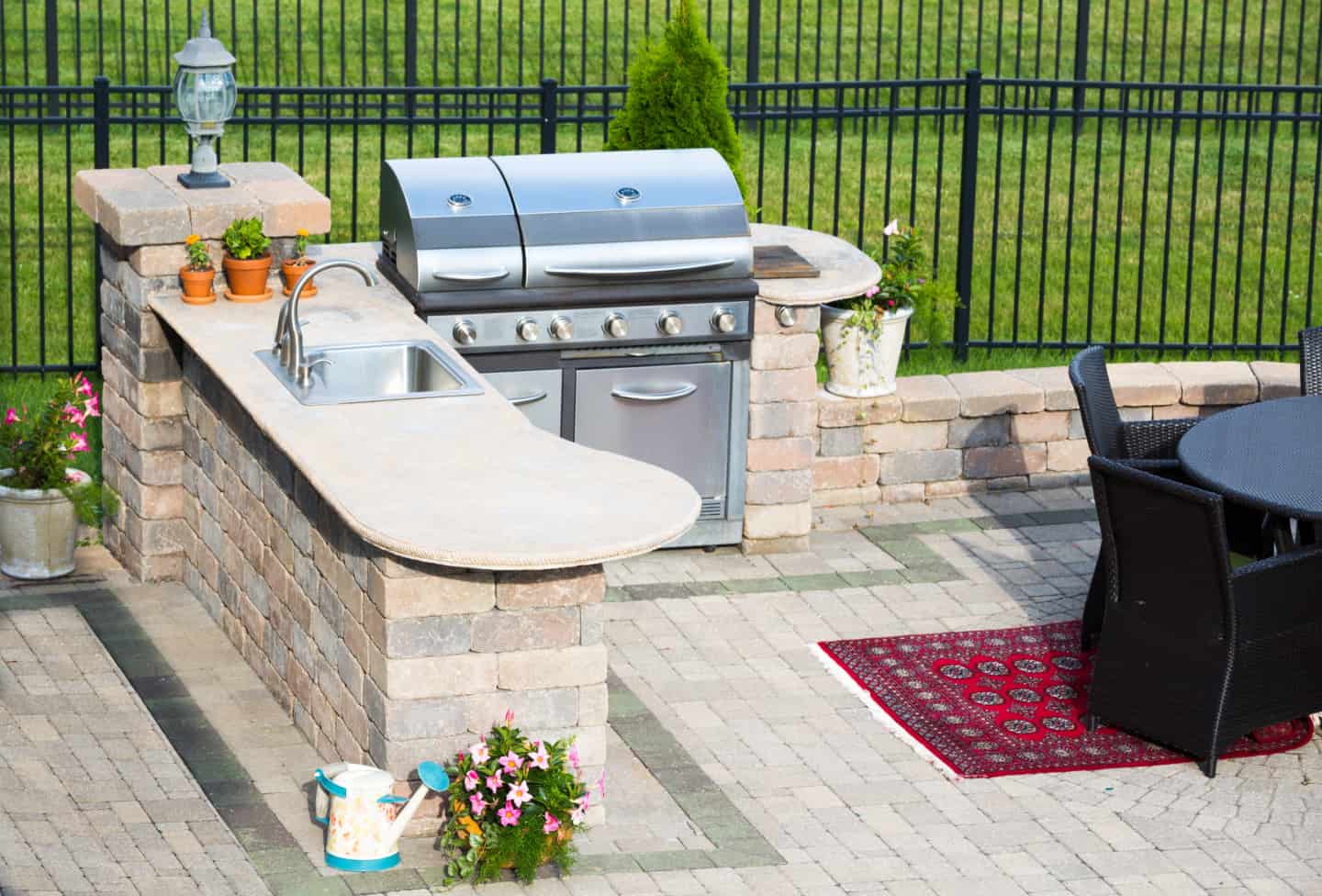
A well-designed paver walkway, patio, or driveway instantly upgrades how your home looks, adding contrast, texture, and detail that plain concrete can’t match—for potential buyers, it also signals that the outdoor areas are well-built and easy to maintain.
Concrete offers limited design options. Even with stamping or staining, you’re working with one continuous surface that can’t be easily modified or expanded. Even with stamped or stained finishes, concrete can look plain and is limited in design versatility.
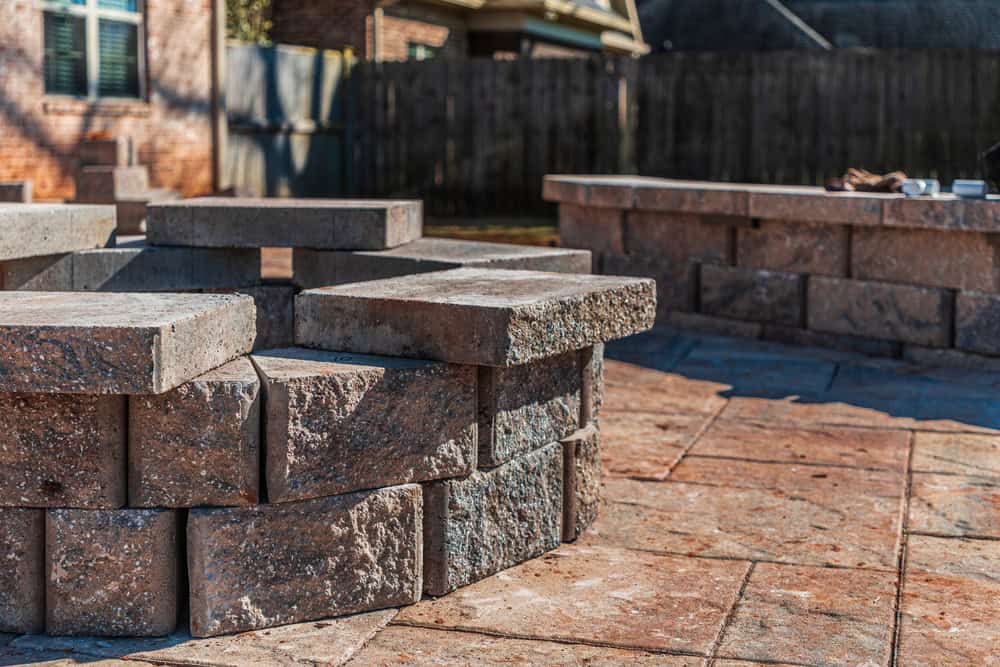
Pavers are available in a variety of colors, textures, and patterns, allowing for unique, high-end designs that enhance curb appeal, from timeless elegance to clean modern lines, providing the ultimate combination of beauty and durability.
This flexibility extends beyond aesthetics. If you ever want to expand the space later, it’s much easier to tie in new pavers than to try to match old concrete. Planning to add a walkway that connects to your driveway? Want to extend the driveway for additional parking? These modifications are straightforward with pavers but nearly impossible to execute seamlessly with concrete.
Pavers can raise resale value, especially when paired with matching walkways or entry steps—they don’t just function better, they make a better first impression. In competitive real estate markets like Long Island, that curb appeal advantage can translate into faster sales and higher offers.
The design options also allow you to create functional zones within your driveway. Different paver patterns can delineate parking areas, create visual interest, or complement your home’s architectural style in ways that plain concrete simply cannot match.
For Long Island homeowners who care about how their outdoor spaces look and last, pavers are the smarter choice. While concrete might work for large driveways where budget is the only consideration, pavers deliver superior performance in our climate, easier maintenance, and better long-term value.
The decision ultimately comes down to your priorities. If you need the lowest possible upfront cost and don’t mind dealing with repairs and maintenance over the years, concrete can work. But if you want a driveway that handles Long Island’s weather extremes, maintains its appearance, and potentially adds value to your home, pavers are worth the investment.
With over 20 years of industry experience, we use only the best materials that ensure longevity and aesthetic value, providing personalized service and open communication throughout every project. When you’re ready to move forward with your driveway installation, we can help you choose the right materials and design for your specific needs, budget, and Long Island location.
Article details:
Share:
Continue learning: