Long Island's unique climate demands specific masonry materials that can handle freeze-thaw cycles, salt air, and temperature extremes year-round.
Share:
Summary:
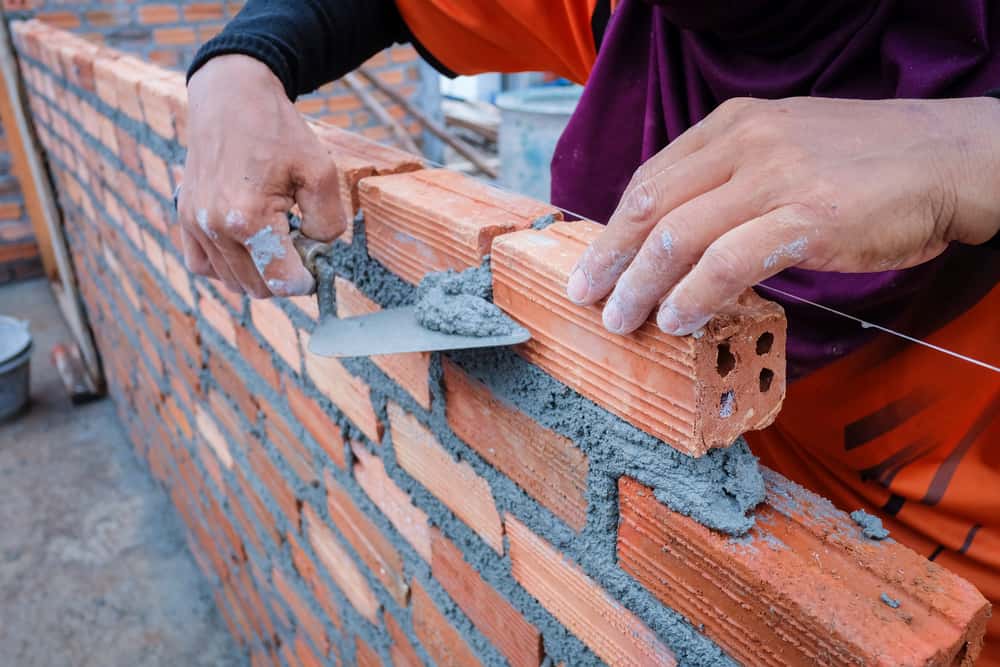
Masonry construction involves building with individual units like brick, stone, or concrete blocks, bound together with mortar or adhesive. But here in Long Island, it’s not just about what you build with—it’s about understanding how our climate affects every material choice.
Our region experiences something most areas don’t: the perfect storm of coastal conditions. Salt air from the ocean, freeze-thaw cycles that can happen multiple times in a single winter, and humidity levels that fluctuate dramatically throughout the year.
These conditions create expansion and contraction in materials, water penetration issues, and chemical reactions that can destroy the wrong masonry choices. That’s why successful masonry construction here requires both the right materials and contractors who understand our specific challenges.

The freeze-thaw cycle is your masonry’s biggest enemy. When water gets into small cracks or porous materials, it expands by about 9% when it freezes. That expansion creates tremendous pressure—enough to crack even strong materials if they’re not designed to handle it.
In Long Island, this isn’t a once-a-winter event. Our coastal location means temperatures can fluctuate above and below freezing multiple times, creating repeated stress on masonry materials. Each cycle makes existing damage worse, which is why you see some patios and walkways deteriorating rapidly while others last for decades.
Salt air adds another layer of complexity. The chlorides in ocean air can penetrate certain materials and cause chemical reactions that weaken the structure from within. This is particularly problematic for softer stones like limestone and sandstone, which can literally dissolve over time when exposed to salt.
Humidity fluctuations cause materials to expand and contract at different rates. When you combine different materials—like stone caps on brick walls—these different expansion rates can create stress points that lead to cracking or separation.
The key is understanding that not all masonry materials respond to these conditions the same way. Some actually get stronger over time, while others begin failing almost immediately.
Many contractors use materials that work fine in other climates but aren’t suited for Long Island’s unique conditions. This creates expensive problems that could have been avoided with the right material choices from the start.
Standard concrete without proper air entrainment is a perfect example. In moderate climates, regular concrete works fine. But here, water gets into the tiny pores, freezes, and creates internal pressure that causes spalling and cracking. You’ll see this on driveways and walkways that look perfect for a year or two, then suddenly start deteriorating rapidly.
Similarly, mortar that doesn’t account for our moisture levels and temperature swings will begin breaking down quickly. The joints between bricks or stones become the weak point, allowing water penetration that accelerates damage throughout the entire structure.
Even the installation timing matters more here than in other regions. Masonry work done when temperatures are below 40°F requires special procedures and materials, or the bonds simply won’t cure properly. Yet many contractors ignore these requirements, leading to premature failure.
The good news is that when you use materials specifically chosen for our climate, masonry work can last for generations. The key is understanding which materials have the properties needed to thrive in our environment rather than just survive it.
After working in Long Island’s challenging climate for over two decades, certain materials have proven themselves as clear winners. These aren’t necessarily the most expensive options, but they’re the ones that consistently perform well year after year.
The best materials share common characteristics: low water absorption, resistance to chemical damage from salt air, and the ability to handle repeated freeze-thaw cycles without deteriorating. They also need to maintain their structural integrity and appearance despite our region’s humidity and temperature fluctuations.
Let’s look at the specific materials that have earned their reputation for durability and performance in Suffolk and Nassau County projects.

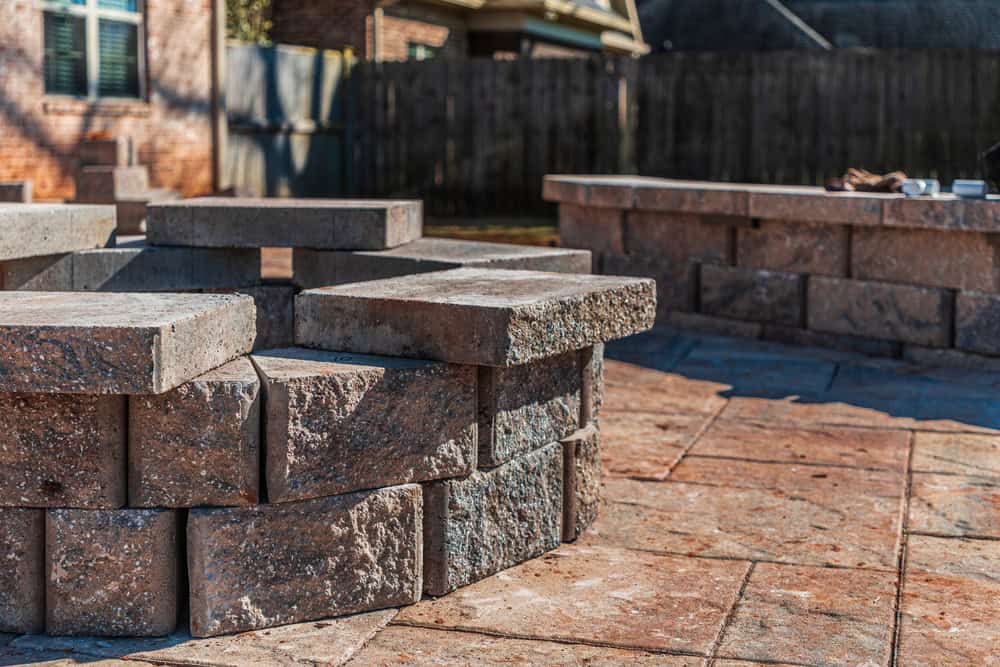
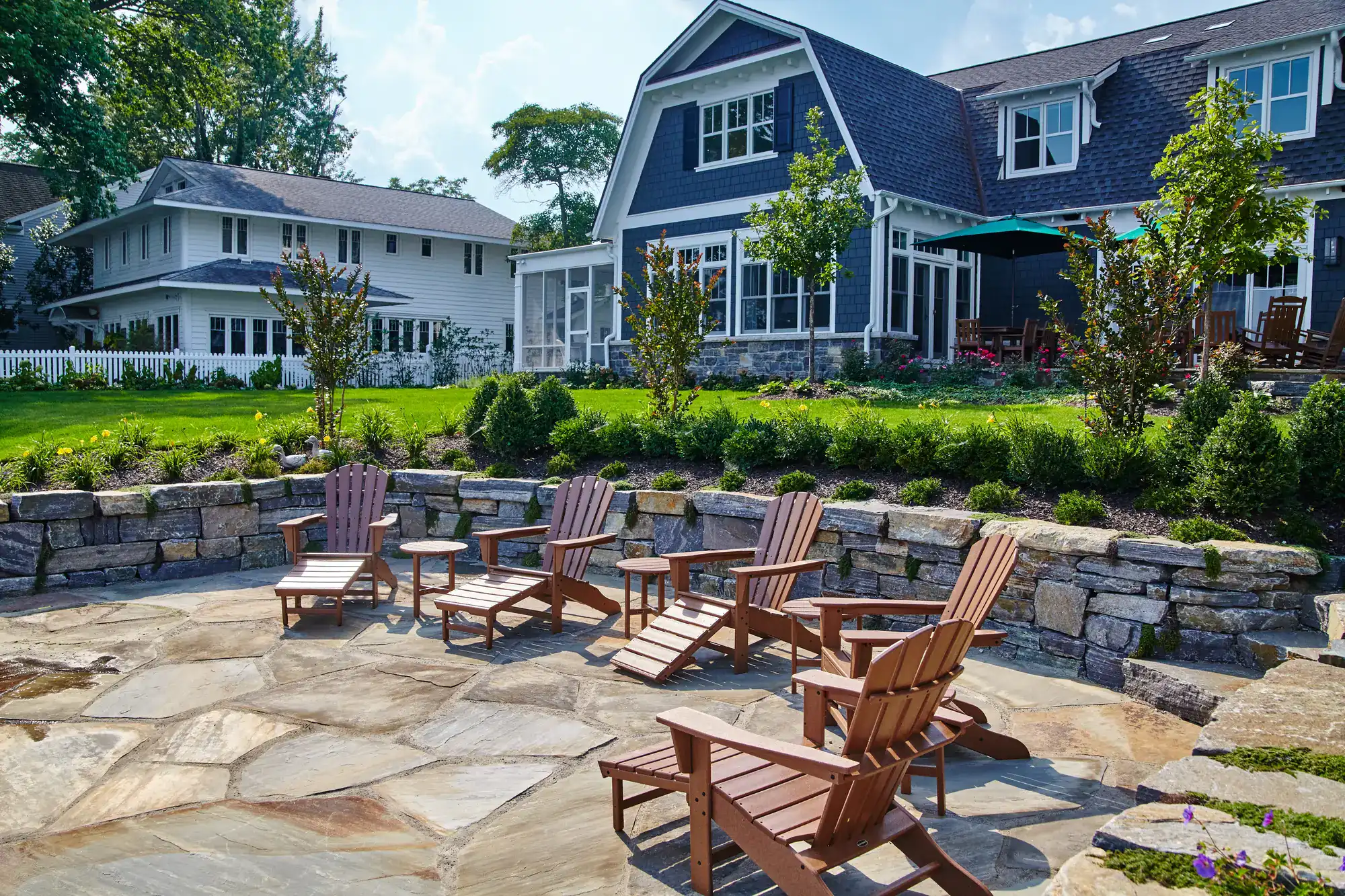
Natural stone offers unmatched longevity when you choose the right types. Granite and bluestone have proven themselves as the top performers for Long Island masonry construction, and there are specific reasons why they excel here.
Granite’s dense composition makes it nearly impervious to water absorption. When water can’t penetrate the material, it can’t freeze inside and cause cracking. This density also makes granite highly resistant to chemical damage from salt air, which is why you see granite installations near the ocean that look as good as new after decades of exposure.
Bluestone, quarried right here in the Northeast, was literally formed to handle our climate conditions. Its moderate porosity means it needs occasional sealing, but it handles freeze-thaw cycles exceptionally well. The stone’s natural composition allows for slight movement without cracking, making it ideal for applications where thermal expansion is a concern.
Both materials offer excellent slip resistance when properly finished, making them safe choices for walkways and patios. They also age beautifully, developing character over time rather than showing wear and deterioration.
The upfront cost is higher than some alternatives, but when you factor in longevity and minimal maintenance requirements, natural stone often proves to be the most economical choice over the life of the installation.
One important consideration: not all natural stone is created equal. Limestone and sandstone, while beautiful, require more careful consideration in our climate due to their higher porosity and susceptibility to acid damage from salt air.
The materials that hold your masonry together are just as important as the masonry units themselves. Modern construction adhesives and specially formulated mortars have revolutionized what’s possible in challenging climates like ours.
High-performance masonry adhesives offer several advantages over traditional mortar in certain applications. They’re formulated to bond effectively to damp or dry surfaces and cure under diverse weather conditions. This flexibility makes them ideal for repairs and installations where weather conditions aren’t perfect.
These adhesives also offer superior flexibility, allowing them to accommodate the slight movements that occur with temperature changes without losing their bond. This is particularly valuable in our climate where thermal cycling is constant.
For traditional mortar applications, the key is using formulations designed for freeze-thaw resistance. Modern mortars with proper air entrainment create microscopic air pockets that give expanding ice somewhere to go, preventing the pressure buildup that causes cracking.
The curing process is also critical. Masonry adhesives typically cure in 24 hours, much faster than traditional mortar, which can take several days. This speed reduces the window of vulnerability to weather damage during installation.
When selecting adhesives and mortars, look for products specifically rated for exterior use and freeze-thaw resistance. The extra cost is minimal compared to the potential expense of premature failure and replacement.
The best masonry construction materials for your specific project depend on several factors: the application, exposure to weather, budget considerations, and aesthetic preferences. But in every case, prioritizing materials designed for our climate will save you money and frustration over time.
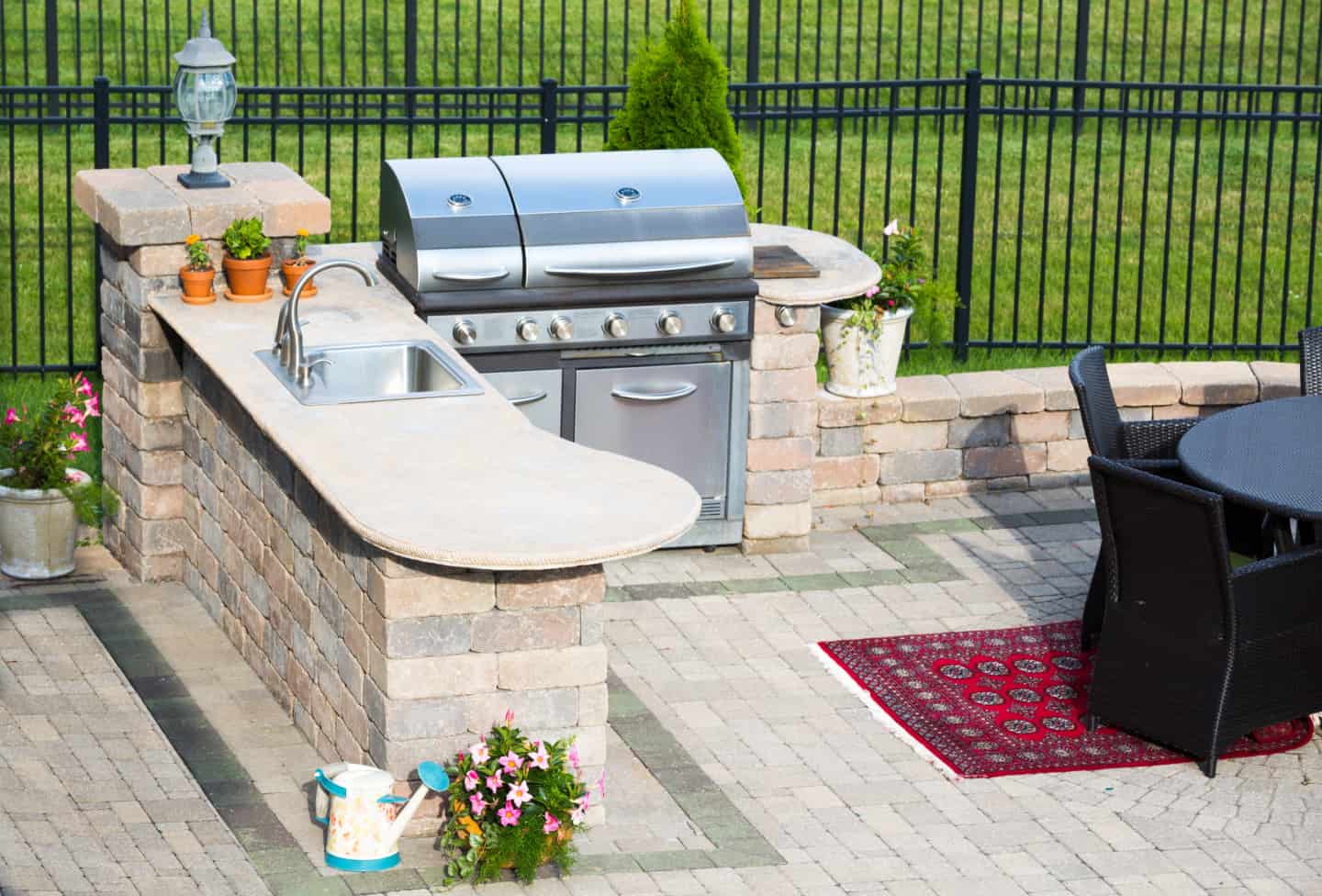
For high-exposure areas like driveways and walkways, invest in premium materials like granite or high-quality concrete pavers designed for freeze-thaw resistance. For protected areas, you have more flexibility in material choices while still needing to account for humidity and temperature fluctuations.
Remember that proper installation is just as important as material selection. Even the best materials will fail if installed incorrectly or without regard for local climate conditions. Working with experienced contractors who understand Long Island’s specific challenges ensures your investment will perform as expected for decades to come.
When you’re ready to start your masonry project, we at DLZ Construction and Landscaping Inc. bring the local knowledge and material expertise needed to create lasting results in Suffolk and Nassau County’s demanding climate.
Article details:
Share:
Continue learning: