Learn why asphalt driveways outperform concrete in Long Island's harsh climate while saving money on installation and maintenance costs.
Share:
Summary:
The upfront cost difference between asphalt and concrete is significant. Most Long Island contractors charge between $3-6 per square foot for asphalt installation, while concrete typically runs $8-12 per square foot. For a standard 600-square-foot driveway, that’s a potential savings of $3,000-4,200 choosing asphalt over concrete.
But the savings don’t stop at installation. Asphalt repairs cost substantially less than concrete fixes, and the material itself is easier to work with during maintenance. When you factor in Long Island’s harsh climate conditions, this cost advantage becomes even more pronounced.

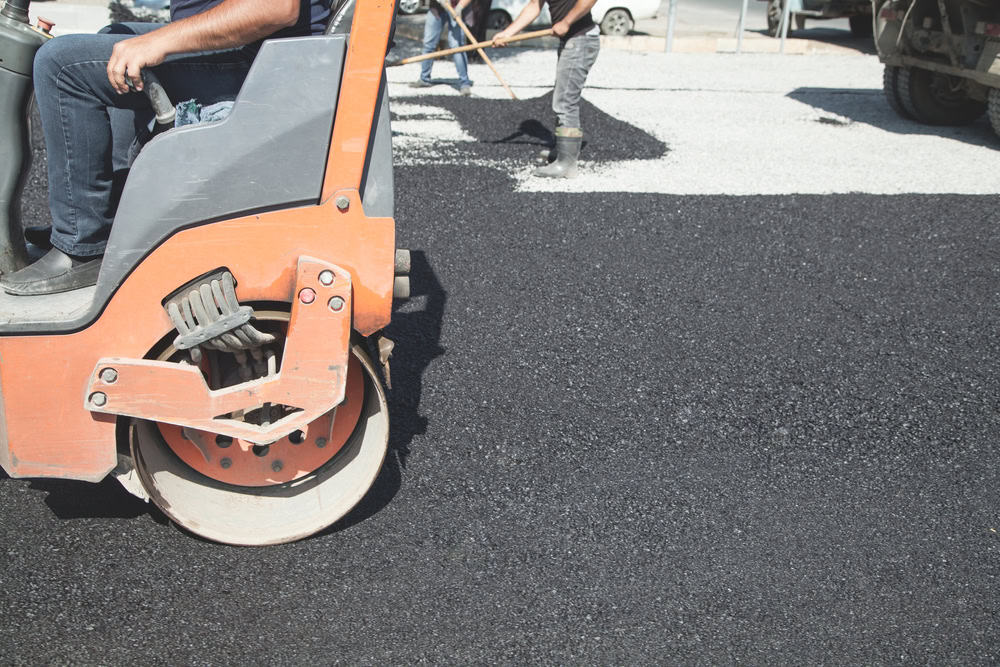
The installation process for asphalt is inherently more efficient than concrete, which translates to lower labor costs for homeowners. Asphalt can be laid and compacted in a single day for most residential driveways, while concrete requires multiple days for proper curing.
Long Island’s established asphalt supply chain also keeps material costs competitive. Local plants can deliver hot mix asphalt quickly to job sites, reducing transportation costs that get passed on to homeowners. The equipment needed for asphalt installation is also less specialized than concrete work, which means we can offer more competitive pricing.
Additionally, asphalt doesn’t require the same level of site preparation as concrete. While both materials need a solid base, asphalt is more forgiving of minor imperfections in grading and substrate conditions. This flexibility often eliminates costly site preparation work that concrete installations require.
The repair factor is equally important for Long Island homeowners. When asphalt develops cracks or minor damage, repairs can often be completed with simple patching or sealcoating. Concrete repairs, on the other hand, frequently require cutting out entire sections and replacing them, which is both time-consuming and expensive.
Smart homeowners look beyond installation costs to understand total ownership expenses. Asphalt maintenance follows a predictable schedule that’s easy to budget for: sealcoating every 2-3 years and crack filling as needed. These preventive measures cost a fraction of major repairs and can extend your driveway’s life to 20+ years.
Concrete maintenance is less frequent but more expensive when problems arise. Concrete cracks can’t be sealed as easily as asphalt cracks, and when concrete fails, it often requires complete section replacement. The rigid nature of concrete also makes it more susceptible to damage from Long Island’s freeze-thaw cycles.
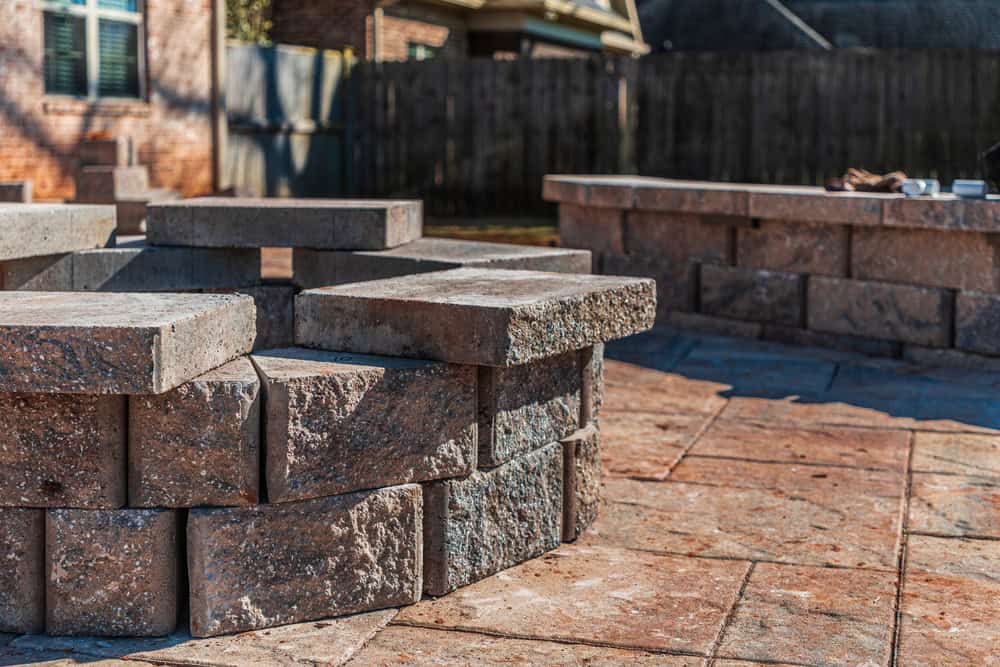
Paver driveways require ongoing maintenance to keep joints filled and prevent weed growth. While pavers can be individually replaced, the labor costs for maintenance are typically higher than asphalt upkeep. The initial premium for pavers – often 2-3 times the cost of asphalt – makes them a luxury option rather than a practical choice for most homeowners.
Gravel driveways have the lowest upfront cost but require frequent reapplication and grading. The ongoing maintenance costs and poor performance in snow removal make gravel impractical for most Long Island properties. When you calculate the total cost over 15-20 years, asphalt typically costs less than maintaining a gravel surface.
Long Island winters test every driveway material to its limits. Between December and March, your driveway faces freezing temperatures, snow loads, ice formation, and the constant freeze-thaw cycle that destroys inferior surfaces. Asphalt’s performance in these conditions isn’t just good – it’s engineered for exactly these challenges.
The key lies in asphalt’s flexibility. Unlike concrete, which becomes brittle in cold weather, asphalt maintains enough give to handle the expansion and contraction that comes with temperature swings. This flexibility prevents the catastrophic cracking that plagues concrete driveways after just a few harsh winters.

Asphalt’s dark color isn’t just aesthetic – it’s a functional advantage that saves Long Island homeowners time and effort every winter. The black surface absorbs solar energy throughout the day, creating a natural snow-melting effect that concrete simply can’t match.
This heat absorption means less time spent shoveling and fewer applications of ice melt products. Many homeowners notice that their asphalt driveways clear faster after snowstorms, even when neighboring concrete driveways remain covered. The temperature difference can be significant enough to prevent ice formation during those tricky freeze-thaw periods that create dangerous conditions.
The practical benefits extend beyond convenience. Faster snow clearing means less wear on your snow removal equipment and reduced exposure to slip-and-fall hazards. For elderly homeowners or those with mobility concerns, this natural melting action provides an important safety advantage.
Salt and deicing products work more effectively on asphalt surfaces. While these chemicals can damage concrete over time, asphalt’s petroleum-based composition is naturally resistant to salt corrosion. This means you can use whatever ice control products work best without worrying about surface damage.
The freeze-thaw cycle is the silent killer of Long Island driveways. Water seeps into small cracks, freezes overnight, expands, and creates larger cracks. This process repeats throughout the winter until small hairline cracks become major structural problems.
Asphalt’s inherent flexibility allows it to move with these temperature changes without catastrophic failure. The petroleum-based binder that holds asphalt together remains somewhat pliable even in cold weather, giving the surface enough flexibility to handle expansion and contraction cycles.
Concrete, by contrast, is essentially stone. When water freezes inside concrete, the rigid material has nowhere to go except apart. Once concrete cracks from freeze-thaw damage, the cracks typically continue to grow each winter until major repairs become necessary.
Professional asphalt installation includes proper drainage design to minimize water infiltration. The slightly porous nature of asphalt allows some water to drain through rather than pooling on the surface where it can freeze. Combined with proper grading and edge support, this creates a system that actively resists freeze-thaw damage.
Regular maintenance amplifies these natural advantages. Sealcoating fills minor surface voids before they can collect water, while crack filling addresses any issues before they become major problems. This proactive approach keeps asphalt driveways functional through decades of Long Island winters.
The evidence is clear: asphalt paving delivers the best combination of upfront affordability, long-term durability, and winter performance for Long Island driveways. While other materials might offer certain aesthetic advantages, none match asphalt’s practical benefits for homeowners who want reliable performance without premium costs.
Your driveway represents a significant investment in your property’s functionality and curb appeal. Choosing asphalt means choosing a material that’s specifically suited to our local climate conditions and backed by decades of proven performance. With proper installation and routine maintenance, an asphalt driveway will serve your family reliably for 20+ years.
When you’re ready to move forward with your driveway project, we at DLZ Construction and Landscaping Inc. bring over two decades of Long Island experience to ensure your asphalt installation is done right the first time.
Article details:
Share:
Continue learning: