Learn how integrating masonry foundations with commercial hardscaping creates cohesive, professional outdoor environments for Long Island businesses.
Share:

Summary:
Commercial masonry integration isn’t about adding decorative elements after construction wraps up. It’s about planning your entire outdoor environment from the ground up, where every structural wall, foundation, and hardscape element works together as one unified system.
Think of it this way: your building’s masonry provides the backbone, but your walkways, patios, and retaining walls create the circulation and gathering spaces that make your property functional. When these elements share design language, materials, and construction methods, you get a professional appearance that looks intentional rather than pieced together.
The difference shows immediately. Integrated projects feel cohesive and well-planned. Properties with disconnected elements look like they were built by multiple contractors who never talked to each other—and your customers notice.
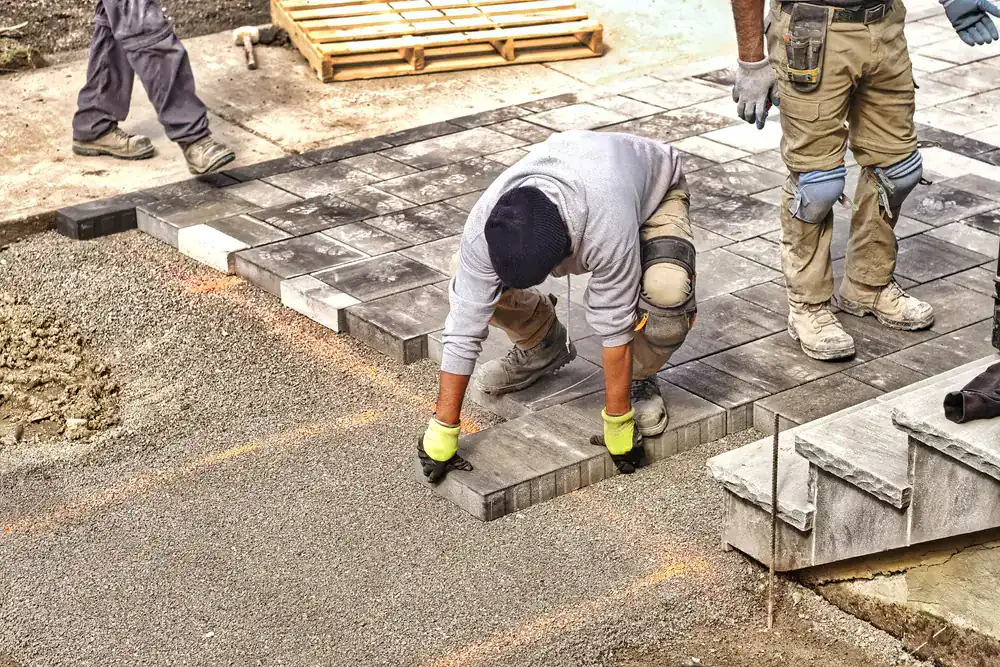
The key to successful integration lies in understanding how your building’s masonry foundation connects with surrounding hardscape features. We think about drainage, material compatibility, and visual flow from day one—not figuring it out during installation.
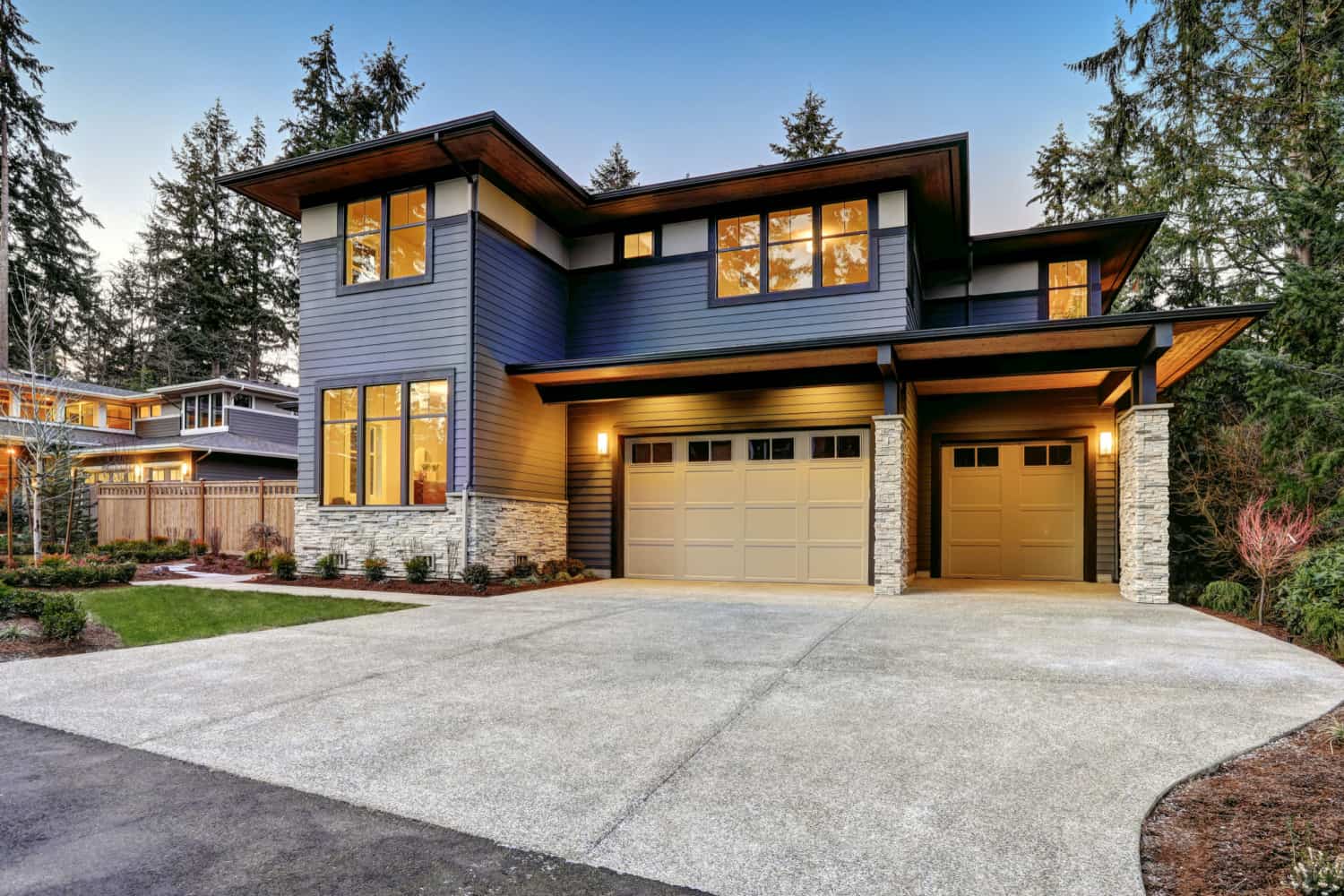
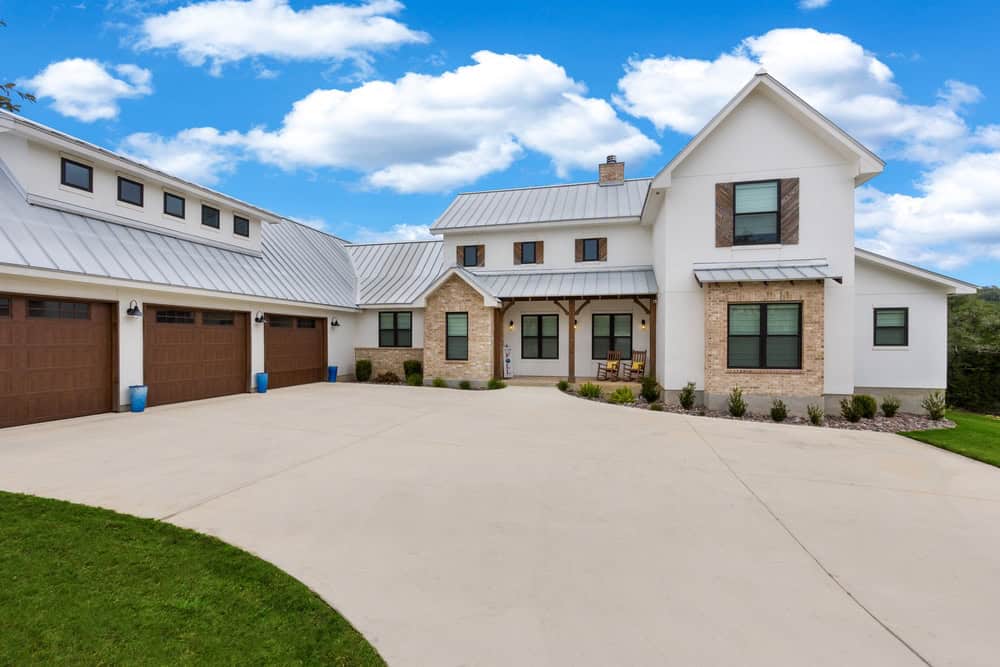
Start with your building’s foundation and exterior walls. These set the material palette and design language for everything else. If you’re using natural stone for your building facade, your walkways and retaining walls should complement that choice, not compete with it. The same principle applies to brick, concrete block, or any other masonry material.
Drainage becomes critical when you’re connecting building foundations with paved areas and retaining walls. Water needs to flow away from your building while being properly managed by your hardscape features. This requires coordination between your masonry work and hardscaping installation. Not separate projects handled months apart by different crews.
Material transitions matter more than most property owners realize. The joint between your building and a paved patio. The connection point where a retaining wall meets your foundation. These details determine whether your project looks professional or amateur. We plan these transitions during the design phase, not as an afterthought during installation.
Effective commercial outdoor space design balances three priorities: functionality, aesthetics, and maintenance requirements. Your masonry and hardscaping need to support how people actually use your property, not just look good in photos.
Consider traffic flow first. Where do customers park? How do they approach your building? Do you need separate service access for deliveries? Your walkways, patios, and entrance areas should guide people naturally while providing safe, accessible routes that meet ADA requirements. Poor planning here creates bottlenecks and safety issues that hurt your business.
Think about gathering spaces next. Many commercial properties benefit from outdoor seating areas, plaza spaces, or courtyards that encourage customers to linger. These areas need proper scale—big enough to feel comfortable but not so large they feel empty. Your masonry walls can provide wind protection and visual enclosure while hardscaped surfaces define the usable space.
Maintenance considerations often get overlooked until after installation, but they’re crucial for long-term success. Smooth paver surfaces are easier to snow-plow than textured concrete. Retaining walls with proper drainage last decades longer than those without. Plants and hardscape materials that handle salt exposure perform better in Long Island’s winter conditions.
We discuss these practical concerns during planning, not discovering them during construction. The goal is creating outdoor environments that look great year one and still function well in year ten.
The right hardscaping elements don’t just complement your masonry—they extend its functionality and visual impact. When planned together, these features create outdoor environments that work better than either element could achieve alone.
Retaining walls often serve double duty in commercial applications, providing both structural support and design continuity with your building’s masonry. They can create level areas for patios or walkways while echoing the materials and patterns used in your building’s facade.
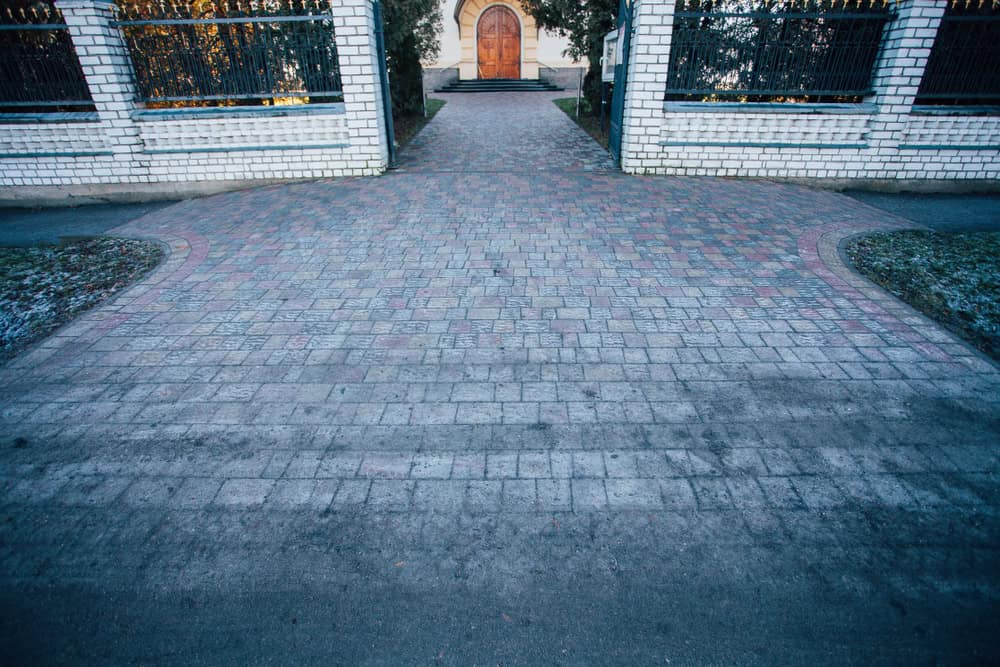
Paved walkways and plaza areas become extensions of your building’s foundation, creating smooth transitions between indoor and outdoor spaces. The key is treating these surfaces as part of your overall architectural design, not separate landscape features tacked on later.
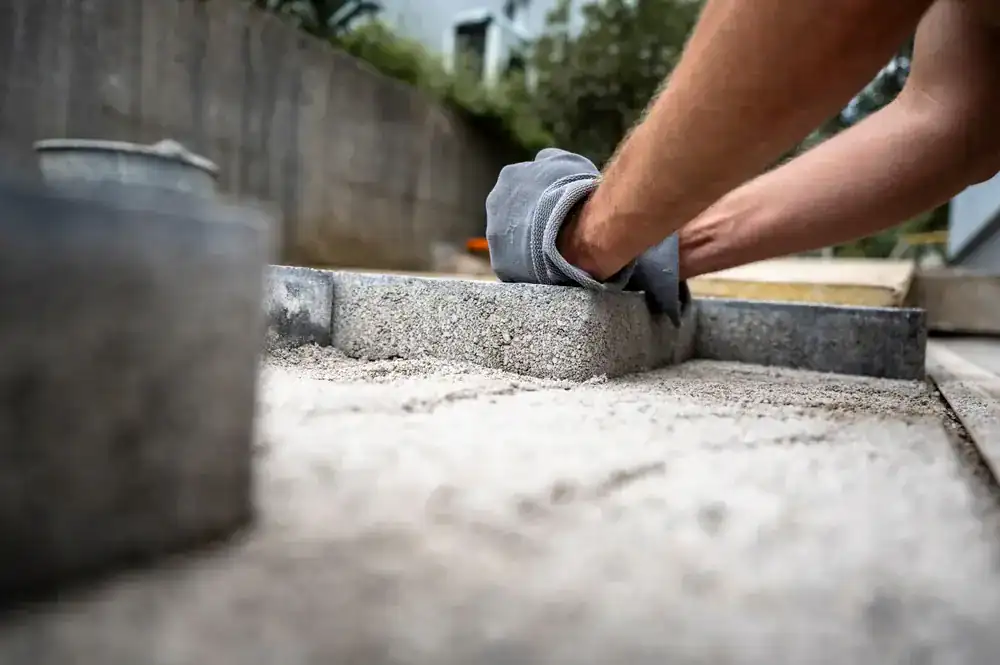
Commercial paver walkway installation needs to handle heavier traffic loads and weather exposure than residential applications. This means choosing materials and installation methods that prioritize durability over decorative appeal—though the two don’t have to be mutually exclusive.
Base preparation becomes absolutely critical for commercial applications. Your walkways need proper excavation, compacted aggregate base, and edge restraints that prevent shifting under load. Shortcuts in base preparation lead to uneven surfaces, cracked pavers, and expensive repairs within a few years. You’ve seen those wavy, sunken walkways at other businesses. That’s what happens when contractors skip proper base work.
Material selection matters for both performance and aesthetics. Concrete pavers offer consistent color and dimensions, making them ideal for clean, professional appearances. Natural stone provides more character but requires careful selection to ensure pieces can handle commercial traffic. Brick pavers offer traditional appeal but may require more maintenance in Long Island’s freeze-thaw conditions.
Joint sand and sealing protect your investment long-term. Polymeric sand prevents weed growth and pest infiltration while maintaining flexibility for seasonal movement. Sealing every few years protects surfaces from stains and weather damage, keeping your walkways looking professional with minimal maintenance effort.
The installation process should coordinate with your masonry work to ensure proper connections at building interfaces, steps, and transition areas. This coordination prevents water infiltration and creates the seamless appearance that distinguishes professional installations from DIY projects.
Retaining walls in commercial applications serve multiple functions beyond simple soil retention. They create level spaces, define property boundaries, provide seating areas, and can incorporate lighting or signage elements that enhance your business operations. But they also represent significant liability if they fail.
Structural requirements vary significantly based on wall height, soil conditions, and load requirements. Walls over four feet typically require engineering analysis and permits, while shorter walls may have more flexibility in design and materials. We understand local building codes and help you navigate permit requirements early in the planning process. Not after you’ve already started construction.
Material choices affect both performance and appearance. Concrete block systems offer structural strength and consistent appearance, making them popular for commercial applications. Natural stone provides more character but requires skilled installation to ensure structural integrity. Poured concrete walls offer maximum strength but may need architectural treatments to avoid institutional appearances.
Drainage design prevents the most common retaining wall failures. Proper backfill, drain tile installation, and weep holes ensure water doesn’t build up behind your wall, creating pressure that can cause cracking or failure. This infrastructure work happens during construction but determines whether your wall lasts decades or requires expensive repairs within a few years.
Integration with your building’s masonry creates visual continuity that makes your entire property look planned and professional. This might mean matching materials, echoing architectural details, or creating smooth transitions between wall surfaces and building facades. The goal is making your property look like it was designed by architects, not assembled by whoever was cheapest.
The success of integrated commercial masonry and hardscaping projects depends heavily on contractor selection. You need professionals who understand both disciplines and can coordinate the complex logistics of commercial construction projects. Not residential contractors trying to figure out commercial work on your dime.
Look for contractors with specific commercial experience, not just residential portfolios. Commercial projects involve different materials, larger scales, permit requirements, and coordination with other trades. Contractors who primarily work on residential projects may struggle with the complexity and timeline demands of commercial work.
Verify licensing, insurance, and bonding appropriate for commercial work. Your contractor should carry liability coverage adequate for your project size and have workers’ compensation insurance for all employees. Bonding provides additional protection for larger projects and may be required by your lender or local jurisdiction.
DLZ Construction and Landscaping Inc. brings over two decades of experience to commercial masonry and hardscaping projects throughout Suffolk and Nassau County. Our integrated approach ensures your outdoor spaces work as hard as your business, creating professional environments that impress customers while providing the durability and functionality your property needs for long-term success.
Article details:
Share:
Continue learning: