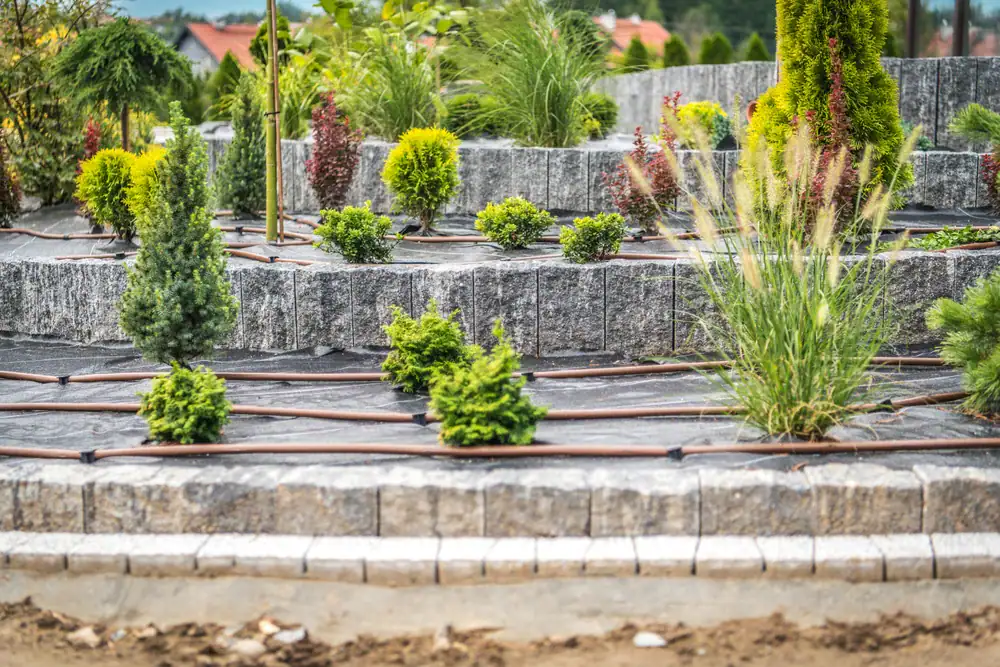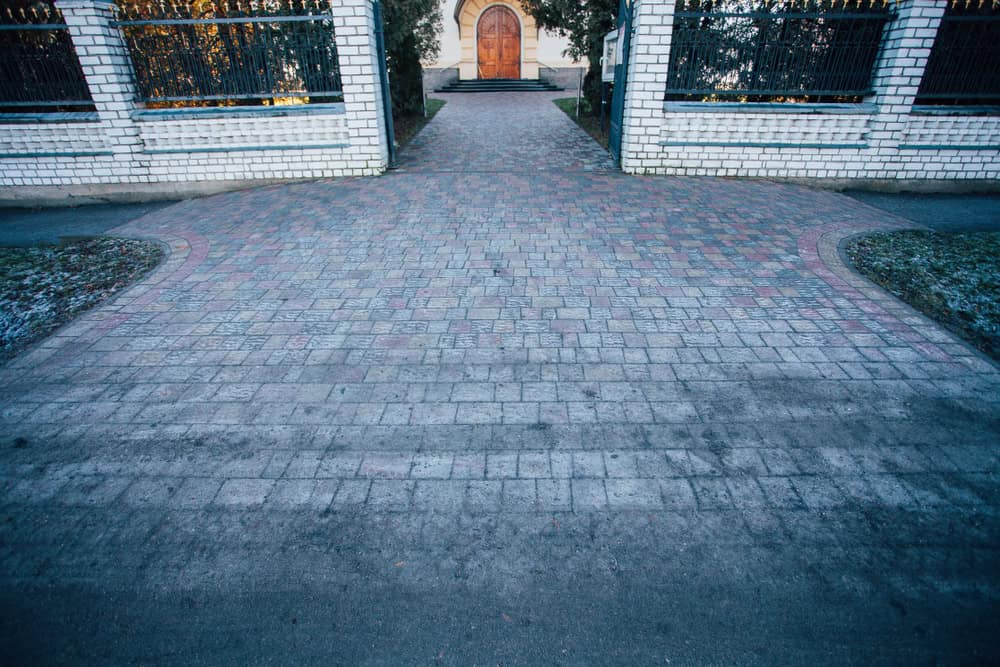
Your sloped Long Island yard doesn't have to stay wasted space. Retaining walls create level ground for patios, gardens, and outdoor living while stopping erosion and drainage problems.
Share:

Summary:
A retaining wall is exactly what it sounds like—a structure that retains soil at different elevations. When you have a slope, gravity wants to pull that soil downward. A properly built wall resists that pressure, holding the earth in place so you can create flat, usable areas.
But it’s not just about keeping dirt where it belongs. Retaining walls solve multiple problems at once. They prevent erosion that destroys your landscaping. They manage water runoff that pools near your foundation. They turn steep, unusable hillsides into level terraces where you can actually do something.
For Long Island properties, this matters more than you might think. Our sandy glacial soil, heavy rainfall, and freeze-thaw cycles create conditions where slopes erode faster than in other regions. A well-designed retaining wall accounts for these local challenges, protecting your investment while opening up outdoor space you couldn’t use before.
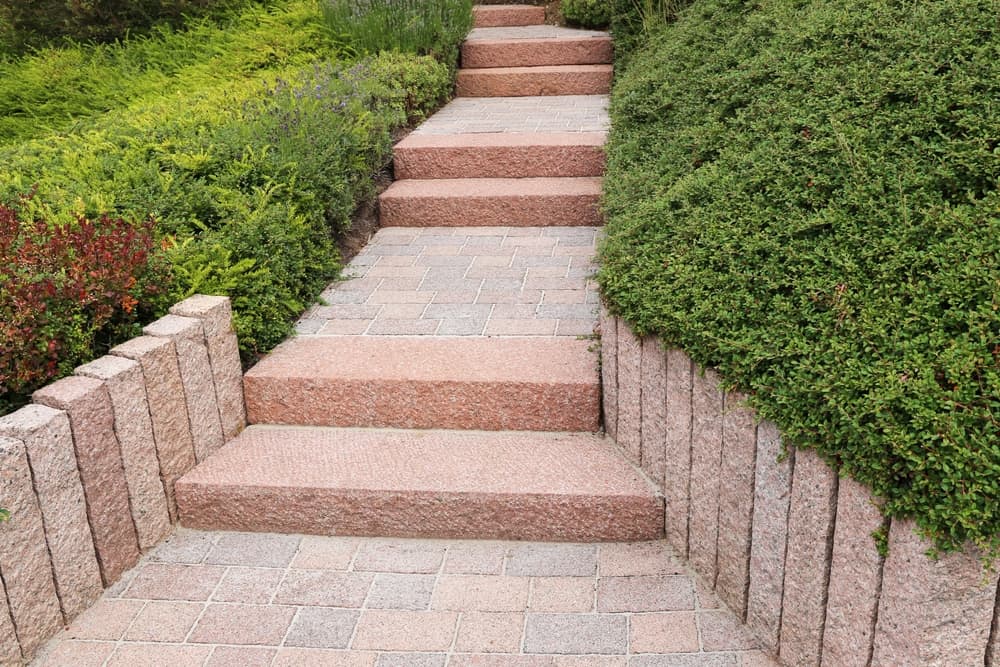
Long Island’s geology creates unique challenges for sloped properties. Most of our soil comes from glacial deposits—meaning it’s predominantly sand with varying amounts of clay. This composition drains quickly in some areas and holds water in others, but neither situation is great for slopes.
Sandy soil doesn’t hold together well. When water runs down your slope during a rainstorm, it carries soil particles with it. Over time, this erosion exposes roots, creates bare patches, and can even undermine walkways or foundations. You’ve probably seen it happen—mulch scattered across your lawn, small channels forming in the hillside, plants that seem to be growing out of the ground because the soil around them washed away.
Clay-heavy soil creates different problems. It holds water, which makes slopes heavy and prone to sliding. During winter, that moisture freezes and expands, then thaws and contracts. This freeze-thaw cycle pushes soil around, creating instability that gets worse every year.
Then there’s the water table issue. Many Long Island properties, especially in coastal areas of Suffolk County, deal with high water tables. When you have a slope and a high water table, you’re basically asking for drainage problems. Water has to go somewhere, and if your slope isn’t properly supported, it’ll take soil with it on the way down.
The coastal weather doesn’t help either. Nor’easters bring heavy rain and wind that test every structure on your property. Salt air from the ocean can corrode improperly chosen materials. Winter brings freeze-thaw cycles that stress any structure not built to handle them. Your retaining wall needs to account for all of this, or it won’t last.
This is why you see so many failing retaining walls across Nassau and Suffolk Counties. Someone built them without understanding local conditions. They didn’t install proper drainage. They used materials that can’t handle our weather. They didn’t go deep enough below the frost line—which needs to be at least 30 to 36 inches in our region. The wall looked fine for a year or two, then started leaning, cracking, or bulging.
We’ve worked Long Island properties for over 20 years, and we understand these challenges instinctively. We’ve seen what happens when corners get cut. We know which materials hold up and which don’t. We understand that proper installation today prevents expensive failures tomorrow.
Let’s talk about what actually changes when you install a retaining wall on your Long Island property. This isn’t just about looks, though well-designed hardscaping certainly improves curb appeal. The functional benefits matter more for most homeowners.
First, you gain usable space. That steep slope where nothing grows and you can’t safely walk? It becomes a level terrace where you can install a patio, plant a garden, or create an outdoor kitchen. Suddenly you have room for furniture, a fire pit, or a play area for kids. The square footage of your property hasn’t changed, but the amount you can actually use has increased significantly.
Erosion stops being a constant problem. Without a retaining wall, every heavy rain means checking what washed away this time. With a proper wall and drainage system, the soil stays put. Your landscaping remains intact. You’re not replacing mulch three times a season or watching your plants slowly slide downhill.
Drainage issues get solved at the same time. A professional retaining wall project includes grading and drainage design that directs water where you want it to go—away from your foundation, away from low spots where it pools, into proper drainage systems. This prevents basement moisture, protects your foundation, and eliminates those soggy patches in your yard that never seem to dry out.
Maintenance becomes easier too. Mowing a steep slope is dangerous and exhausting. Weeding a hillside means working at awkward angles. Maintaining plants on uneven terrain challenges even experienced gardeners. Level terraces make all of this simpler and safer. You can actually enjoy your yard instead of fighting with it.
Property value increases as well. Buyers see a well-designed retaining wall as a solution to problems they won’t have to deal with. They see functional outdoor space instead of wasted hillside. They see professional landscaping instead of erosion issues. Real estate professionals consistently note that properties with properly installed retaining walls can increase home value by up to 15 percent compared to comparable homes with problematic slopes.
The peace of mind matters too. You stop worrying about what the next big storm will do to your yard. You’re not watching cracks appear in your foundation from poor drainage. You’re not dealing with water in your basement every spring. The problem is solved, and solved correctly, so you can focus on enjoying your outdoor space instead of constantly maintaining it.
For homeowners from Smithtown to Southampton, these benefits compound over time. Our weather is hard on properties. Having one major issue properly addressed means less stress, lower maintenance costs, and more time actually using your yard the way you want to.
Not all retaining walls are built the same way, and what works for one property might be wrong for another. The right choice depends on your slope angle, soil type, drainage patterns, and what you want to do with the space you’re creating.
Material selection matters more than most homeowners realize. Segmental block systems are popular across Long Island because they handle our sandy soil well and accommodate slight movement without failing. Natural stone offers timeless aesthetics and exceptional durability, though it typically costs more. Poured concrete provides maximum strength for taller walls or challenging soil conditions.
The height and design of your wall determine what’s structurally necessary and what permits you’ll need. Walls under 30 inches often don’t require permits in many Long Island towns, though this varies by municipality. Walls over three to four feet typically need engineering analysis and building permits. This isn’t bureaucratic hassle—it’s ensuring your wall is properly designed for the forces it’ll face.

Segmental block walls dominate Long Island retaining wall projects for good reasons. These interlocking concrete systems come in various colors and textures, offering design flexibility while providing reliable structural performance. They’re engineered to handle the slight movement that happens in sandy soil without cracking or failing. Installation follows manufacturer specifications that account for local conditions.
The blocks themselves are designed for freeze-thaw cycles. Water that gets into the wall system can freeze and expand without causing damage. This matters during Long Island winters when temperatures swing above and below freezing repeatedly. Cheaper materials or improper installation methods don’t handle this well, leading to cracks, shifting, and eventual failure.
Professional installation of segmental block walls typically costs between $25 and $45 per square foot in Nassau and Suffolk Counties, depending on height, site access, and specific material selection. This investment delivers walls that can last decades when properly installed with adequate drainage systems.
Natural stone retaining walls bring a premium aesthetic that complements both traditional and coastal Long Island home styles. Fieldstone and cut stone create attractive solutions that literally stand the test of time. The material itself is virtually indestructible. Properly installed stone walls can last generations with minimal maintenance.
Stone works especially well for properties where the retaining wall is a prominent visual feature. The natural variation in color and texture creates interest that manufactured materials can’t quite match. It pairs beautifully with landscape design, looking like it belongs rather than like it was added later. For homes in established neighborhoods across Nassau County or waterfront properties in Suffolk County, stone delivers that timeless appeal.
The trade-off is cost and installation complexity. Stone walls require skilled masons who understand how to select and place stones for both structural integrity and appearance. The materials cost more. Installation takes longer. But for homeowners who want that specific look and are willing to invest in it, stone delivers results that enhance property value significantly.
Poured concrete offers maximum strength for challenging situations. If you have a tall wall, poor soil conditions, or significant water pressure, concrete provides the structural capacity to handle it. Modern forming and finishing techniques also allow for decorative treatments—stamped patterns, stone veneers, or colored finishes that make concrete walls more attractive than the plain gray slabs of decades past.
Concrete works well for commercial applications or residential properties where the wall serves a primarily functional purpose. It’s the go-to choice when engineering analysis determines that segmental blocks or stone won’t provide adequate strength. For walls over four feet or situations with significant load requirements, concrete is often the most reliable option.
The key is matching the material to your specific situation. We can assess your slope, soil type, drainage patterns, and aesthetic goals to recommend what will actually work. This isn’t about upselling expensive materials—it’s about choosing what will perform reliably for decades in your specific conditions.
Here’s what causes most retaining wall failures: water. Not the wall material, not the height, not even the soil—water. Specifically, water that builds up behind the wall with nowhere to go. This creates hydrostatic pressure that can push even well-built walls to failure.
Long Island’s rainfall patterns make proper drainage non-negotiable. We get heavy downpours that can saturate soil quickly. We have high water tables in many coastal areas. We deal with snowmelt in spring. All of this water needs to move through and away from your retaining wall, or it will cause problems.
A proper drainage system starts behind the wall with gravel backfill. This creates a permeable zone where water can flow down to drainage pipes rather than building up pressure against the wall. Filter fabric separates this gravel from the surrounding soil, preventing fine particles from washing into the drainage zone and clogging it over time.
Drainage pipes, typically perforated PVC, run along the base of the wall. They collect water from the gravel backfill and direct it to exit points away from the wall. These exits—called weep holes when they’re visible through the wall face—allow water to escape rather than accumulate. You’ll see them spaced along the wall, usually every few feet.
The grading around your retaining wall matters too. The area at the top of the wall should slope away, directing surface water away from the wall rather than toward it. The area at the base should allow water exiting the drainage system to flow away without pooling. This seems obvious, but improper grading causes problems on plenty of otherwise well-built walls.
For Long Island properties, drainage design also needs to account for where that water goes after it leaves the wall system. If your property has poor overall drainage, you can’t just move the problem from one spot to another. Sometimes a retaining wall project includes broader drainage improvements—catch basins, French drains, or regrading—to ensure water has somewhere to go.
This is why working with contractors who understand local conditions matters so much. With decades of experience across Suffolk and Nassau Counties, we’ve seen what happens when drainage is done wrong. We know how Long Island soil behaves. We understand where water tends to accumulate on sloped properties. This experience translates into drainage designs that actually work long-term.
Skimping on drainage to save money is the worst economy you can practice with a retaining wall. The wall material might cost more, but inadequate drainage will cause that wall to fail regardless of what it’s made from. Proper drainage might add to the upfront cost, but it’s what makes your investment last decades instead of years. We won’t cut corners on drainage even when clients ask us to, because we know what happens when it’s done wrong.
Your sloped Long Island property doesn’t have to limit how you use your outdoor space. Retaining walls create level areas for patios, gardens, walkways, and entertainment spaces while solving erosion and drainage problems that get worse every year you wait.
The difference between a retaining wall that protects your property for decades and one that fails in a few years comes down to understanding what works for Long Island’s specific conditions. Sandy glacial soil, freeze-thaw cycles, coastal weather, high water tables, and local building requirements all factor into designs that actually last. Materials matter. Drainage design matters. Proper installation that accounts for our climate matters.
When you’re ready to transform that problematic slope into usable outdoor space that adds real value to your property, working with experienced local professionals makes all the difference. At DLZ Construction and Landscaping Inc., we bring over 20 years of experience creating retaining walls and comprehensive landscape solutions across Suffolk County, NY and Nassau County, NY. Our background-checked teams understand the local knowledge, proven installation techniques, and attention to drainage details that Long Island properties require for retaining walls that truly last.
Article details:
Share:
Continue learning: