Industrial parks across Suffolk County face a common challenge: aging masonry and outdated grounds that no longer reflect the quality of businesses inside.
Share:

Summary:
Walk through any industrial park in Suffolk County and you’ll see the pattern. The newer buildings with clean masonry and maintained grounds stay occupied. The ones with deteriorating facades and tired landscaping sit vacant or struggle with tenant turnover.
This isn’t coincidence. Your property’s exterior communicates volumes about what tenants and clients can expect. Spalling brick and crumbling mortar suggest deferred maintenance throughout the building. Overgrown shrubs blocking signage and cracked walkways create actual safety hazards that increase your liability exposure.
But here’s what most property owners miss: masonry and landscaping aren’t separate problems requiring separate solutions. They’re interconnected systems that either support each other or fail together. When you address them as one integrated project, you create outdoor environments that actually enhance your property’s functionality while protecting your investment for the long term.

That crack in your building’s facade isn’t staying the same size. Masonry deterioration accelerates once it starts, especially in Long Island’s freeze-thaw cycles. Water penetrates through compromised mortar joints, freezes, expands, and displaces more material with each winter. What looks like minor cosmetic damage this year becomes a structural liability next year.
The financial impact goes beyond repair costs. Prospective tenants notice deteriorating masonry immediately. They see it as a red flag about building maintenance and management quality. Quality tenants—the ones who pay on time and take care of their space—have options. They choose properties that look professionally maintained.
Property managers throughout Nassau County and Suffolk County report the same pattern. Buildings with well-maintained masonry command higher rents and experience lower vacancy rates. The difference often exceeds the cost of proactive restoration by a significant margin. You’re not just fixing brick and mortar. You’re protecting the income stream that makes your property valuable.
Current tenants notice too. When they see management investing in the building’s exterior, it reinforces their decision to stay. When they see deterioration being ignored, they start looking at other options during lease renewal time. The cost of tenant turnover—lost rent during vacancy, leasing commissions, tenant improvement costs—makes proactive masonry maintenance look inexpensive by comparison.
The regulatory side matters as well. New York building codes mandate regular facade maintenance for certain commercial properties. Violations carry penalties, but the bigger risk is the liability exposure from falling masonry. One incident can generate legal costs and insurance increases that dwarf the expense of proper maintenance.
Commercial landscaping for industrial properties serves different purposes than residential work. You’re not creating a backyard retreat. You’re designing outdoor environments that guide traffic flow, define property boundaries, screen loading areas, and create functional spaces where employees can take breaks.
The landscaping around your Suffolk County industrial park needs to work year-round with minimal maintenance. That means selecting plants adapted to local conditions, designing drainage that prevents water from undermining walkways and foundations, and creating clear sightlines that improve security and wayfinding.
Smart property owners think about how landscaping integrates with masonry elements. Retaining walls that manage grade changes can incorporate the same materials as your building facade, creating visual continuity. Paved walkways become extensions of your building’s foundation when planned together rather than added later. Green buffers along property lines provide privacy and noise reduction while defining your space.
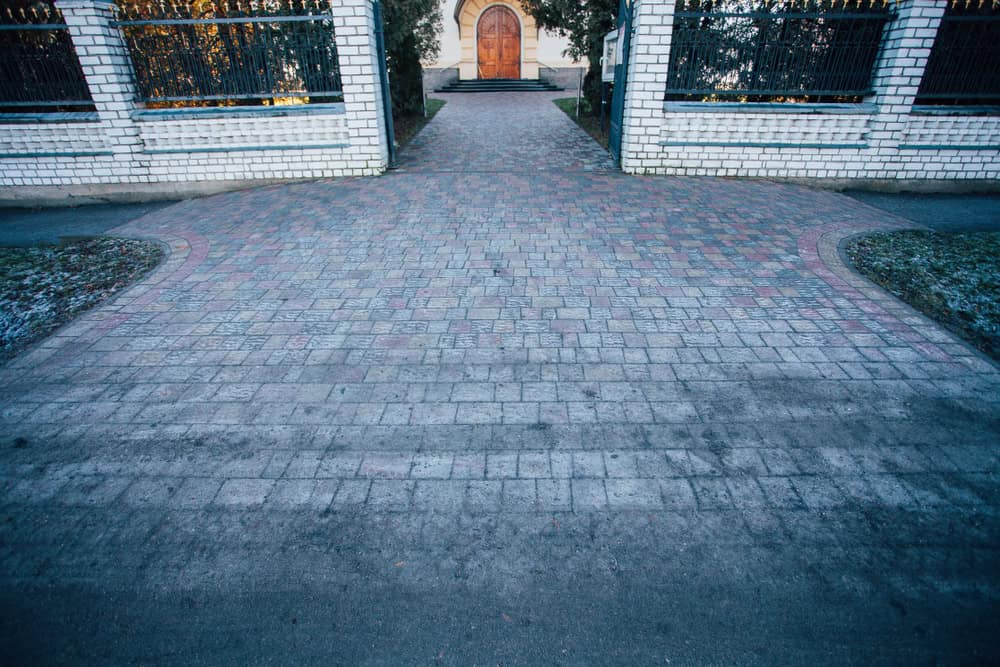
The trend in 2026 leans toward natural materials and native plantings that require less water and maintenance. Stone, warm-toned pavers, and climate-adapted plants create professional appearances without constant intervention. This approach reduces your ongoing costs while supporting local ecosystems—something that matters to environmentally conscious tenants.
Functionality drives every decision. Where do employees need to walk? How do delivery vehicles access the building? What areas need lighting for security? How does water drain during storms? These practical questions shape landscape design that actually works instead of creating problems.
Consider how first impressions form. Potential tenants and their clients judge your property within seconds of arrival. Well-maintained landscaping signals professional management and attention to detail. Overgrown beds, dead plants, and weed-filled cracks suggest the opposite. The message you send starts at the property line, not the front door.
Employee satisfaction matters more than many property owners realize. Access to outdoor spaces—even simple seating areas surrounded by maintained landscaping—improves workplace satisfaction. Employees who can step outside for lunch or a break return more productive. Properties that provide these amenities become more attractive to quality tenants looking to retain their own staff.
Most commercial property owners approach masonry repair and landscape updates as separate projects. They call a masonry contractor to fix the facade, then later hire a landscaper to address the grounds. This sequential approach misses opportunities and often creates conflicts.
When you plan masonry restoration and landscape design together, you can coordinate materials, manage site access more efficiently, and create cohesive outdoor environments. The retaining wall that manages your site’s grade becomes an architectural feature that echoes your building’s masonry. Walkways integrate with your foundation rather than looking like afterthoughts.
The practical benefits matter even more. Coordinated planning means addressing drainage issues that affect both masonry and landscaping. Water management protects your building’s foundation while ensuring landscape plantings thrive. You solve problems once instead of discovering them during separate projects.

Long Island’s coastal climate creates specific challenges for commercial masonry and hardscaping. Salt air accelerates metal corrosion in lintels and tie-backs. Freeze-thaw cycles stress mortar joints and paving surfaces. Summer humidity supports mold and efflorescence. Your restoration approach needs to account for these conditions.
Material selection makes the difference between repairs that last decades and ones that fail within years. Mortar mixes need to match the original masonry’s strength and permeability. Too strong and the mortar doesn’t allow moisture to escape, causing spalling. Too weak and joints deteriorate quickly. We understand these balances from over two decades of experience working throughout Suffolk and Nassau counties.
Hardscape materials face similar demands. Pavers need to withstand Long Island’s temperature extremes without cracking. Base preparation determines whether walkways stay level or develop trip hazards as the ground freezes and thaws. Proper drainage prevents water from undermining foundations and creating ice hazards in winter.
The integrated approach considers how masonry and hardscape elements affect each other. Improperly graded walkways can direct water toward building foundations, accelerating masonry deterioration. Landscaping planted too close to buildings traps moisture against facades. These interactions need to be addressed during planning, not discovered after installation.
Timing matters for commercial properties. You can’t shut down access to industrial buildings for weeks while work proceeds. Phased approaches allow restoration to progress while minimizing disruption to tenants. We plan staging areas, coordinate material deliveries, and schedule work to maintain building access throughout the project.
Code compliance adds another layer. Local building departments have specific requirements for commercial masonry work, especially structural repairs. Permits, inspections, and proper documentation protect you from liability. Our local insight into Suffolk County and Nassau County requirements prevents delays and ensures work meets standards.
Industrial parks and office complexes increasingly compete on amenities, not just square footage and rent. Properties that offer functional outdoor spaces—employee break areas, walking paths, covered entries—attract better tenants and command higher rents. These features separate your property from competitors offering basic buildings with parking lots.
The key word is functional. Tenants don’t need elaborate gardens. They need outdoor spaces that serve actual purposes. A simple patio with seating where employees can eat lunch. Covered walkways that protect people from weather while moving between buildings. Clearly defined paths that guide visitors to the correct entrance. These practical elements improve daily operations while enhancing appearance.
Hardscaping creates these functional spaces more durably than plantings alone. Retaining walls can incorporate seating areas while managing grade changes. Paver patios provide all-weather surfaces for outdoor furniture. Pergolas offer shade and weather protection. These permanent structures require minimal maintenance while serving clear purposes.
The integration with masonry matters here too. When hardscape elements use materials and design language that complement your building’s facade, everything looks intentional and cohesive. Mismatched materials and disconnected design elements make properties look like they’ve been patched together over time—which undermines the professional image you’re trying to create.
Property value increases when outdoor spaces actually enhance tenant operations. A well-designed entry plaza makes a strong first impression on visiting clients. Employee break areas improve workplace satisfaction. Defined pathways improve traffic flow and reduce confusion. These functional improvements justify higher rents because they deliver real value to tenants.
Security considerations shape outdoor space design as well. Clear sightlines from buildings to parking areas improve safety. Strategic lighting enhances security while highlighting architectural features. Landscaping that defines boundaries without creating hiding spots balances aesthetics with practical security needs. These elements matter more for commercial properties than residential projects.
Maintenance requirements need to be realistic. Industrial property managers don’t have time for high-maintenance landscaping. Native plantings adapted to Long Island conditions require less water, fertilizer, and replacement. Durable hardscape materials withstand heavy use without constant repair. Designing for low maintenance from the start reduces your ongoing costs while keeping the property looking professional.
Your industrial park or office complex in Suffolk County deserves better than patchwork fixes and deferred maintenance. When you address masonry restoration and landscape design as integrated systems, you create commercial environments that function properly, look professional, and protect your investment for years to come.
The properties that succeed in Long Island’s competitive commercial market share common characteristics. They maintain their masonry proactively rather than waiting for emergencies. They design landscaping that serves clear functions while requiring realistic maintenance. They create outdoor spaces that enhance tenant operations rather than just filling space.
These improvements pay for themselves through higher rents, lower vacancy rates, reduced maintenance costs, and decreased liability exposure. More importantly, they position your property to attract and retain the quality tenants who make ownership worthwhile. If your commercial property is showing its age, we can help you develop an integrated approach that addresses both immediate needs and long-term functionality throughout Suffolk County, Nassau County, and Long Island.
Article details:
Share:
Continue learning: