Learn how sustainable outdoor design transforms Long Island yards using native plants, permeable pavers, and water-wise strategies that reduce maintenance while supporting local ecosystems.
Share:
Summary:
Walk through most Long Island neighborhoods and you’ll see the same imported shrubs, the same struggling grass, the same plants that need constant attention just to survive. They’re here because they’re familiar, not because they belong.
Native plants are different. They evolved here over thousands of years, which means they already know how to handle our soil, our rainfall patterns, our winters, and our summers. You’re not trying to keep something alive in conditions it wasn’t designed for. You’re working with plants that are already adapted to exactly where you live.
The practical benefits show up fast. Less watering because their root systems developed to handle our rainfall patterns. Fewer pest problems because they’ve built natural defenses over millennia. No fertilizer dependency because they’re adapted to our soil. And they support the local ecosystem—the birds, pollinators, and beneficial insects that actually belong here. Thoughtful landscape design can incorporate native plants into a functional, low-maintenance outdoor space.

Choosing native plants isn’t about sacrificing beauty for sustainability. It’s about selecting plants that will actually flourish in your yard without you having to baby them through every season.
White oaks are the backbone species—they can live for centuries, provide shade that actually cools your property, and produce acorns that feed local wildlife. Their fall color is stunning, and they’re built to handle everything Long Island weather throws at them. If you want a tree that your grandchildren will appreciate, this is it.
For shrubs, lowbush blueberries give you something most landscaping can’t—actual food. White flowers in spring, berries you can eat in summer, and brilliant red foliage in fall. They’re low-growing, don’t need much attention, and they’re native to our sandy soils. Inkberry holly stays green year-round and works perfectly for hedges or adding winter interest when everything else is dormant.
Native perennials like asters become crucial in late summer when many other plants are spent. They provide food for butterflies and pollinators when it’s most needed. Milkweed species—particularly butterfly weed and swamp milkweed—are essential for monarch butterflies, which can’t survive without them. These aren’t just pretty additions. They’re part of a functioning ecosystem.
The key is matching plants to your specific conditions. Got a wet spot that’s always soggy? Swamp milkweed thrives there. Dry, sunny area with sandy soil? Butterfly weed and little bluestem grass will flourish. Shady area under trees? Try native ferns and woodland phlox. You’re not forcing plants into unsuitable locations and then fighting to keep them alive. You’re putting the right plant in the right place and letting it do what it does naturally.
Native plants also form relationships with native insects, which feed native birds, which control pest populations naturally. It’s a system that works without your constant intervention. Traditional landscaping with non-native plants breaks these connections, which is why you end up needing pesticides, fertilizers, and constant management just to maintain basic function.
You don’t need to rip everything out and start from scratch. That’s overwhelming, expensive, and honestly unnecessary. Smart transitions happen in stages, focusing on areas where you’ll see the biggest impact first.
Start with problem areas—that patch of lawn that never grows right, the spot that’s always too wet or too dry, the area where you’re constantly fighting weeds. These are actually opportunities. They’re telling you the current plants don’t belong there. Replace them with natives suited to those exact conditions, and suddenly your problem area becomes your easiest area.
Reduce your lawn gradually. Turf grass is the most demanding part of most yards—constant mowing, watering, fertilizing, and it provides zero value to local wildlife. Pick a section, maybe along a property line or around trees where grass struggles anyway, and convert it to native plantings. You’ll immediately cut maintenance time and costs for that area. Next season, convert another section. Within a few years, you’ve transformed your yard without the shock of a complete overhaul.
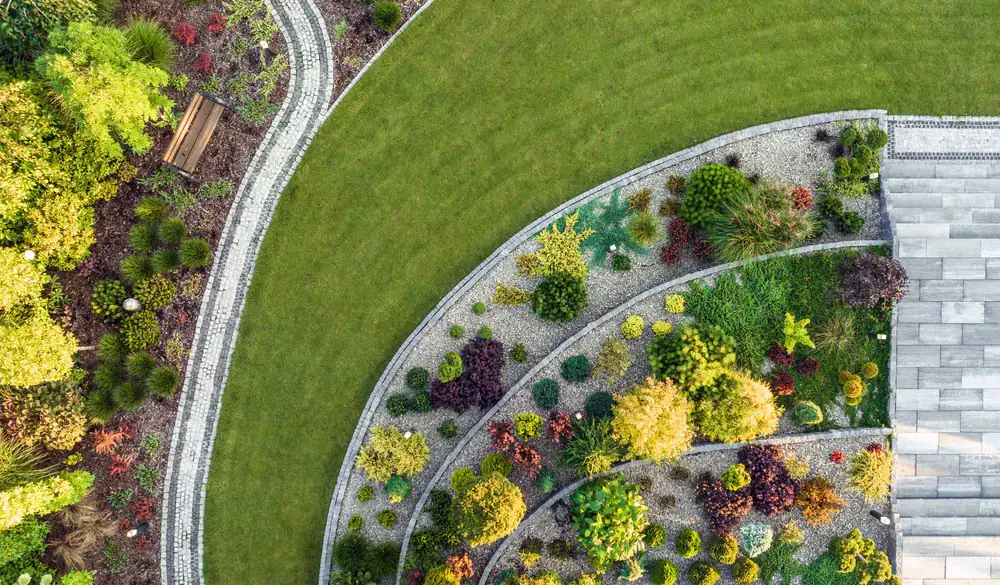
When you do plant, think in layers like a natural ecosystem. Taller trees provide canopy. Understory trees and larger shrubs create the middle layer. Smaller shrubs, perennials, and groundcovers fill in below. This layered approach looks natural, provides habitat at multiple levels, and creates visual interest year-round. It’s also how plants actually grow in nature, so it’s inherently more stable and lower-maintenance than the typical foundation-plantings-and-lawn approach.
Sourcing matters more than most people realize. Buy from nurseries that grow native plants from local seed stock when possible. A white oak grown from Long Island genetics will perform better here than one grown from seeds collected in Pennsylvania. The genetic adaptations to local conditions are real, even within the same species. Ask your supplier about their seed sources. The good ones will know and care about this.
Timing your installation right makes a huge difference in success rates. Fall is ideal for most native plants on Long Island. They establish roots through the cooler, wetter months and are ready to take off the following spring. Spring planting works too, but you’ll need to water more carefully through that first summer. Either way, native plants establish faster and with less coddling than non-natives because they’re already adapted to our climate patterns.
One thing to watch for—invasive species. Long Island has serious problems with things like Japanese barberry, burning bush, and English ivy that were sold as landscaping plants for decades. They escape into natural areas and choke out native plants. If you’ve got these on your property, removing them and replacing with natives actually helps the broader ecosystem. It’s not just about your yard—it’s about preventing spread into nearby natural areas where they cause real damage.
Hardscaping decisions have bigger environmental impacts than most homeowners realize. Traditional concrete and asphalt create impermeable surfaces that send every drop of rain into storm drains instead of back into the ground where it belongs. This contributes to flooding, overwhelms drainage systems, and means you’re not recharging the groundwater that feeds wells and keeps streams flowing.
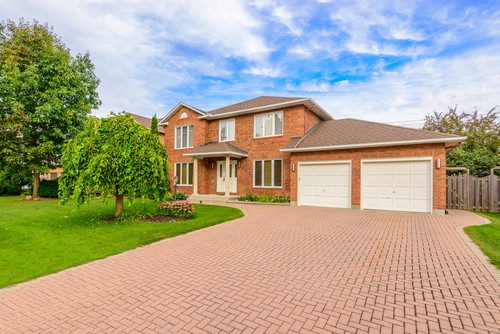
Permeable pavers solve this while still giving you functional, attractive surfaces for patios, walkways, and driveways. Water flows through the joints between pavers and into a stone base below, then gradually soaks into the soil. You get the surface you need without the environmental problems. And on Long Island specifically, where we get hit with heavy rains that can overwhelm conventional drainage, permeable hardscaping prevents standing water and reduces erosion.

Long Island’s freeze-thaw cycles destroy traditional concrete over time. Water seeps into tiny cracks, freezes, expands, and breaks the concrete apart. We go through 30 to 40 freeze-thaw cycles every winter. Conventional concrete patios and driveways crack, heave, and deteriorate faster here than in more stable climates.
Permeable pavers handle this better because they’re designed to move slightly. The individual pavers can shift with freeze-thaw cycles without cracking. The joints between them accommodate movement. And because water drains through instead of sitting on the surface, there’s less water available to freeze and cause damage in the first place. Properly installed permeable paver systems last decades with minimal maintenance.
The installation matters enormously. You need excavation below the frost line—that’s 8 to 10 inches deep on Long Island. Then a properly compacted crushed stone base that supports the pavers while allowing water to pass through. The base does double duty—it provides structural support and creates drainage. Skip this step or do it wrong, and you’ll have pavers that shift, settle, and fail. Do it right, and you’ve got a surface that handles vehicle weight while managing stormwater.
Some Long Island municipalities are now either requiring permeable surfaces for new construction or offering incentives to install them. They’re recognizing that conventional impermeable hardscaping contributes to flooding and stormwater management problems. Getting ahead of these requirements makes sense, and in some cases, you might qualify for rebates or credits that offset installation costs.
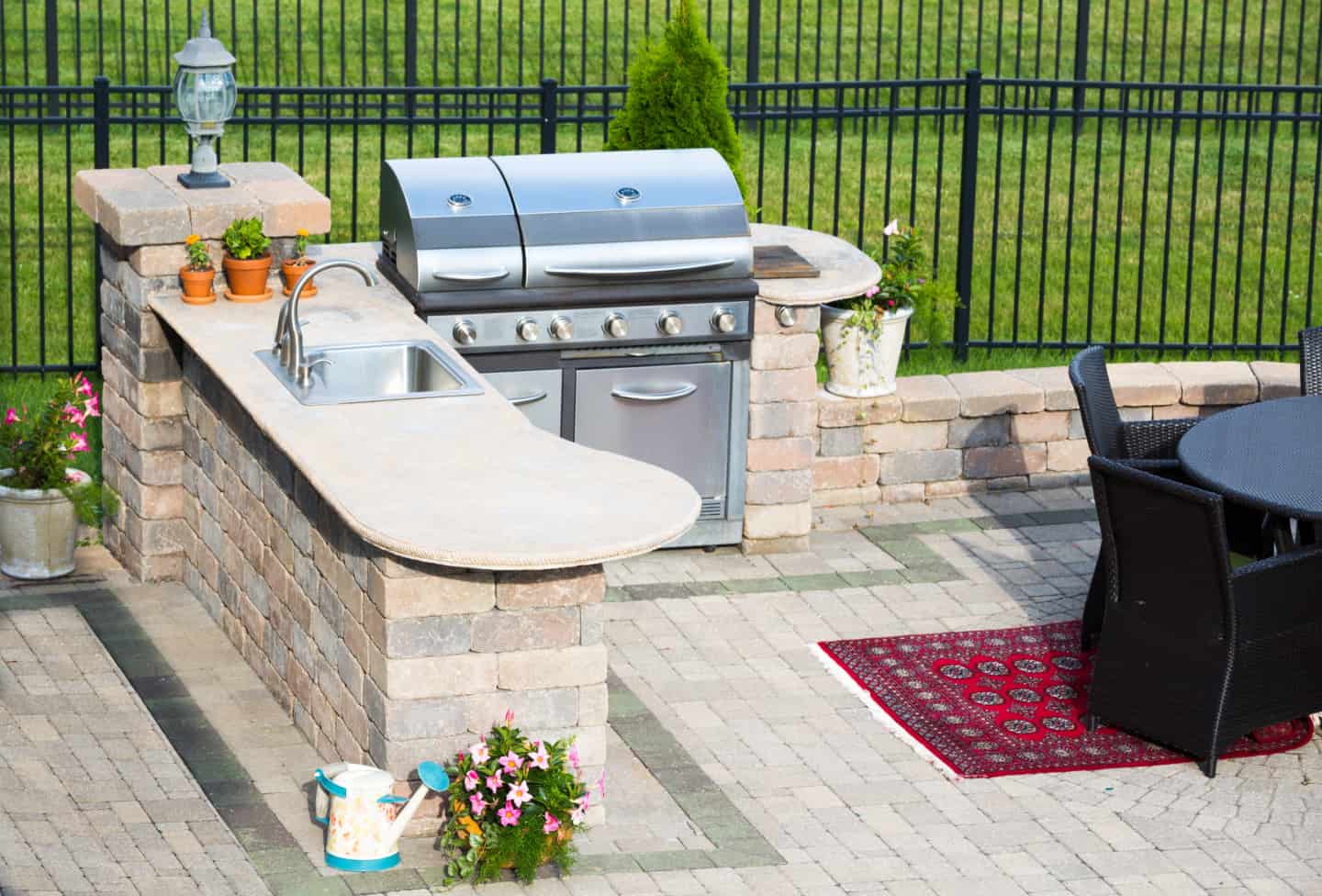
Aesthetically, permeable pavers have evolved significantly. You’re not limited to industrial-looking grids anymore. Modern permeable pavers come in multiple colors, textures, and patterns. You can create designs that look like traditional patios or driveways while functioning as permeable surfaces. Natural stone options like bluestone work beautifully and are well-suited to Long Island’s coastal aesthetic.
Maintenance is straightforward. Sweep or vacuum the surface a few times a year to prevent dirt from clogging the joints. Refill joints with stone as needed. That’s basically it. Compare that to maintaining concrete—sealing, repairing cracks, dealing with stains—and permeable pavers are actually easier long-term.
The environmental benefits extend beyond just managing stormwater. Permeable surfaces filter pollutants as water passes through—things like oil residue, fertilizers, and other contaminants get trapped in the stone base instead of washing into waterways. You’re essentially creating a natural filtration system as part of your hardscaping. And by allowing water to soak back into the ground, you’re helping maintain groundwater levels that feed local streams and wetlands.
The most effective sustainable outdoor designs integrate permeable hardscaping with water-wise planting. They work together as a system rather than as separate elements that happen to exist in the same yard.
Think about water flow across your property. Where does it come from? Where does it go? Heavy rain hits your roof, runs through gutters, and dumps onto the ground. That’s a lot of water concentrated in specific spots. Instead of directing it to storm drains or letting it create erosion problems, you can capture and use it.
Position permeable paver patios and walkways where they’ll intercept runoff from impermeable surfaces like your roof or driveway. The water that hits these areas soaks through instead of running off. Around the edges of permeable hardscaping, plant native species that can handle occasional influxes of water—things like swamp milkweed, Joe Pye weed, or native sedges. These plants thrive with the extra moisture and help filter any remaining runoff.
Create subtle grading that directs water toward planted areas rather than away from them. A slight depression in a planted bed—basically a rain garden—captures water during storms and allows it to soak in slowly. Plant this area with natives that can handle both wet and dry conditions. During heavy rain, it temporarily holds water. During dry periods, the deep-rooted native plants access moisture deep in the soil. You’re creating a buffer that moderates both extremes.
Mulch plays a role too, but not the way most people use it. Thick layers of wood mulch can actually prevent water infiltration and aren’t natural in most Long Island ecosystems. Instead, use lighter applications of shredded leaves or allow fallen leaves to remain in planted beds. This mimics natural leaf litter, feeds soil organisms, provides habitat for beneficial insects, and allows water to reach the soil while reducing evaporation. It’s what would happen naturally in a forest, and it works in your yard too.
For areas that need to handle vehicle traffic, permeable pavers are your solution. For pathways through planted areas, consider alternatives like stepping stones set in low-growing native groundcovers, or crushed stone paths that allow complete infiltration. Match your hardscaping choice to the intended use and traffic level. You don’t need heavy-duty pavers everywhere—just where you actually need that level of durability.
The combination of permeable hardscaping and water-wise planting creates a landscape that functions more like a natural ecosystem. Water infiltrates where it falls, native plants thrive with natural rainfall patterns, and you’re not fighting drainage problems or watching water run off your property carrying soil and pollutants with it. It’s a system that works with Long Island’s conditions instead of requiring constant intervention to function.
Sustainable outdoor design isn’t about sacrifice or settling for less. It’s about making choices that work better for your specific property, your time, and your budget while supporting the local environment. Native plants that thrive here without constant intervention. Permeable hardscaping that solves drainage problems while lasting longer than conventional options. Water-wise design that cuts your water bills and maintenance time.
The Long Island homeowners who’ve made these changes consistently report the same things—less time spent on yard work, lower costs for water and maintenance, and more enjoyment of their outdoor spaces. The yards look better because the plants are actually thriving instead of barely surviving. Wildlife shows up because there’s actual habitat and food sources. And there’s satisfaction in knowing your property is part of the solution instead of part of the problem.
If you’re ready to explore what sustainable outdoor design could look like for your property, we have the experience and local knowledge to make it happen. With over two decades serving Suffolk and Nassau counties, we understand what works here and what doesn’t. We’ll help you create an outdoor space that’s beautiful, functional, and built to thrive in Long Island’s conditions with minimal ongoing input from you.
Article details:
Share:
Continue learning: