Complete cost breakdown for brick driveway paving in Long Island, including material costs, installation factors, and long-term value comparison for homeowners.
Share:

Summary:
Brick driveway paving in Long Island typically ranges from $18 to $23 per square foot for professional installation. This puts a standard two-car driveway (480 square feet) between $8,640 and $11,040, significantly higher than asphalt’s $7-15 per square foot.
But here’s what those numbers don’t tell you. That asphalt driveway needs resealing every 3-5 years at $1-2 per square foot, plus crack repairs and eventual replacement every 15-20 years. Brick pavers, meanwhile, can last 25-75 years with minimal maintenance.
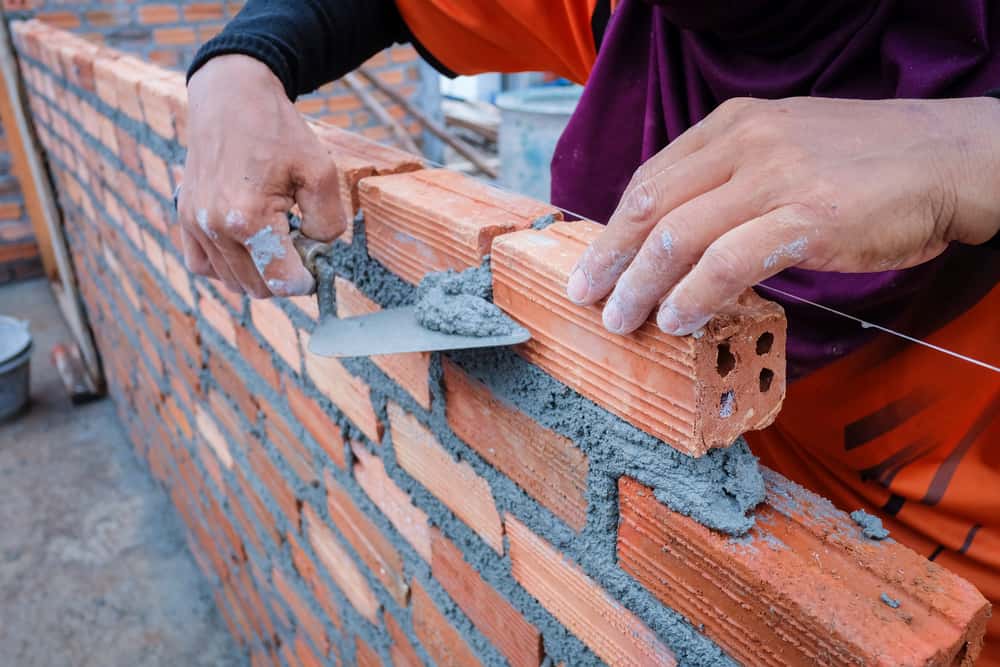
The material costs alone run $4-15 per square foot for quality paving bricks for driveways, with installation adding another $6-10 per square foot. Labor costs reflect the specialized skill required—this isn’t basic concrete pouring but precision stonework that requires understanding Long Island’s soil conditions and drainage requirements.
Several factors influence your final driveway brick paving cost in Nassau County, NY and Suffolk County, NY. Site preparation often represents the largest variable, especially if your existing driveway requires complete removal.
Excavation depth matters more than you might expect. Long Island’s clay soils and freeze-thaw cycles demand proper base preparation—typically 8-12 inches of excavation filled with compacted stone base. Shortcuts here lead to settling and premature failure. Your “bargain” becomes an expensive mistake.
Drainage considerations add complexity but prevent costly problems later. Many Long Island properties struggle with water management. Your brick driveway installation must account for proper runoff. This might require additional grading, drainage systems, or permeable base materials.
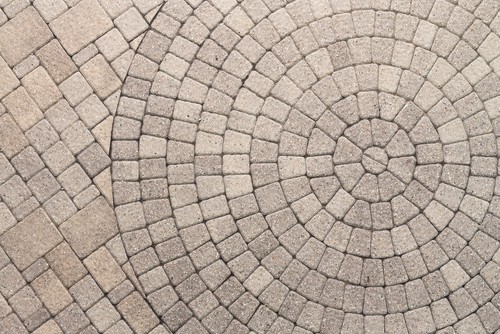
Pattern complexity affects labor costs significantly. Simple running bond patterns install faster than intricate herringbone or basketweave designs. Each cut brick increases installation time. Curved edges require more precision work than straight lines.
Access to your property influences pricing too. Tight spaces that prevent machinery access mean more hand work, increasing labor costs. Materials delivery to difficult locations also adds expense.
The quality of driveway paving bricks you choose creates the biggest cost spread. Basic concrete pavers start around $4 per square foot, while premium fired clay bricks can reach $15 per square foot. Higher-end materials typically offer better durability and color retention—important factors in Long Island’s challenging climate.
Long Island’s weather creates unique cost considerations that many homeowners overlook. Our variable climate—with temperature swings from below freezing to over 90°F—puts extraordinary stress on driveway materials.
Traditional concrete and asphalt expand and contract as single units, creating stress points that eventually become cracks. These materials require regular maintenance and eventual replacement, adding thousands to your long-term costs. Concrete replacement can cost more than the original installation due to removal complexity.
Paving bricks driveways handle these conditions differently. Each individual unit can expand and contract independently, distributing stress across thousands of pieces rather than concentrating it in vulnerable spots. This flexibility explains why you’ll find European brick roads from the 1800s still functioning perfectly.
Salt exposure from winter road treatments creates another cost factor. Salt penetrates concrete and asphalt, causing internal damage that’s expensive to repair. With brick pavers, salt sits on the surface where it’s easily cleaned away. The fired clay construction naturally resists chemical damage.
Drainage becomes critical in our climate. Poor drainage leads to frost heave, foundation problems, and premature failure. Brick pavers actually help with drainage—water seeps through the joints instead of pooling on the surface, reducing runoff and preventing many issues that plague solid surfaces.
These climate advantages mean brick pavers often cost less over their lifetime, despite higher initial installation costs. You’re not just paying for materials and labor—you’re investing in a solution engineered to handle Long Island’s specific challenges.
Comparing driveway materials requires looking beyond initial costs to understand true value. Asphalt might seem attractive at $7-15 per square foot, but factor in resealing every few years, crack repairs, and replacement every 15-20 years.
Concrete costs $6-12 per square foot initially and lasts longer than asphalt. However, when concrete fails, you’re looking at complete removal and replacement—a messy, expensive process that can exceed your original installation cost.
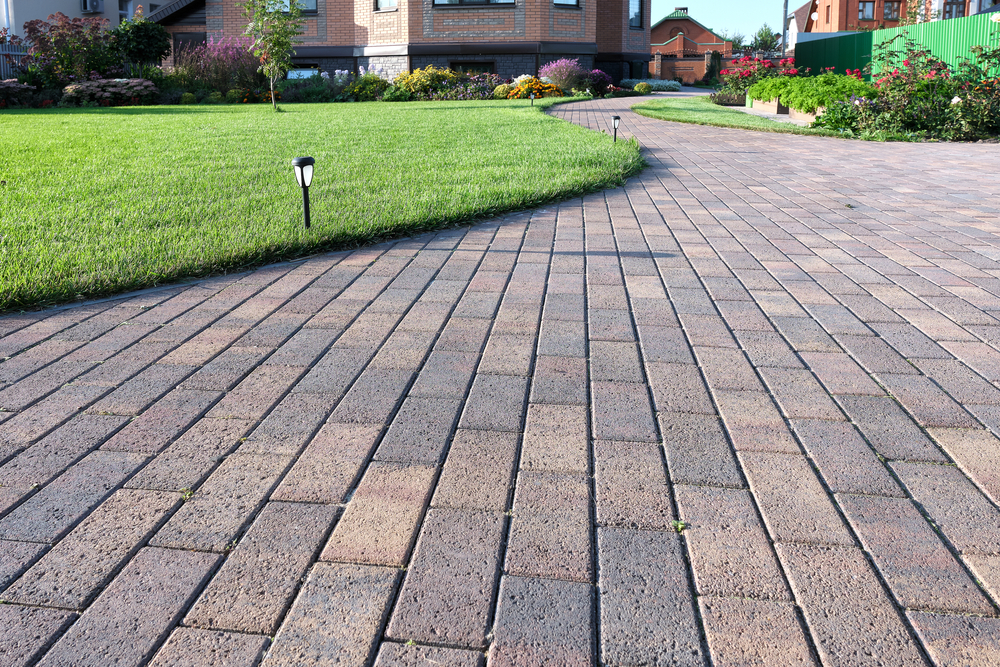
Brick driveway paving costs more upfront but delivers superior long-term value. Individual damaged pavers get replaced without disturbing the rest of your driveway. No matching issues. No visible patches. No wondering if repairs will survive another Long Island winter.
Many brick driveway paving estimates miss important costs that surface during installation. Permit requirements vary by municipality, typically running $50-250 for new driveways or significant modifications.
Utility considerations often surprise homeowners. If your project requires moving or protecting underground utilities, expect additional costs. Most contractors include basic utility marking, but complex relocations add expense.
Site access challenges increase costs when standard equipment can’t reach your property. Hand excavation and materials transport to difficult locations require more labor and time.
Seasonal timing affects pricing too. Spring and fall represent peak demand periods when contractors command premium rates. Winter work, while possible, may include weather-related delays or cold-weather material surcharges.
Existing driveway removal varies widely in cost depending on material type and thickness. Simple asphalt removal costs less than reinforced concrete, which may require special equipment and disposal considerations.
Landscaping restoration around your new driveway adds costs many homeowners forget to budget. Disturbed lawn areas, damaged plantings, and necessary grading work can add hundreds to your final bill.
Base material quality represents another hidden cost factor. Cheaper contractors might use inferior stone or skip proper compaction to reduce prices. These shortcuts create problems within the first year, requiring expensive repairs that eliminate any initial savings.
Brick driveway paving represents a significant investment, but several financing options can make the project more manageable. Many established contractors offer payment plans or work with financing companies to provide competitive rates.
Home equity loans often provide the most cost-effective financing for major home improvements like driveways. The interest may be tax-deductible, and rates typically beat personal loans or credit cards. However, your home serves as collateral, so consider this carefully.
Personal loans offer another option without using your home as collateral. Credit unions often provide better rates than banks for members with good credit histories. The approval process is usually faster than home equity products.
Some contractors offer seasonal payment plans, allowing you to spread costs over several months. This works particularly well for spring installations when you have time to plan payments through the summer and fall.
Consider the timing of your investment carefully. Driveway paving completed in fall allows you to enjoy the benefits through winter while potentially qualifying for year-end tax advantages if you’re using certain financing options.
Insurance considerations matter too. Most homeowner’s policies cover properly installed driveways, but verify coverage before starting work. Some insurers offer discounts for improvements that reduce slip and fall risks—brick pavers’ natural texture provides excellent traction.
The return on investment for quality brick driveway paving typically ranges from 60-80% of your investment in increased property value. This makes it one of the better home improvement investments, especially in Long Island’s competitive real estate market.
Brick driveway paving costs more initially than asphalt or basic concrete, but the numbers tell a different story over time. When you factor in Long Island’s challenging climate, maintenance requirements, and replacement costs, brick pavers often prove the most economical choice.
The key lies in choosing experienced contractors who understand our local conditions and installation requirements. Proper base preparation, drainage planning, and quality materials make the difference between a driveway that lasts decades and one that requires expensive repairs within years.
Your investment in professional brick driveway paving enhances your property’s value while providing decades of reliable service. When you’re ready to transform your property with durable, beautiful brick paving, we at DLZ Construction and Landscaping Inc. bring over 20 years of specialized experience to every Long Island project.
Article details:
Share:
Continue learning: