Which yard upgrades actually boost your Long Island property value? This practical checklist helps you prioritize landscape and masonry projects that deliver measurable returns without wasting money on trendy mistakes.
Share:

Summary:
Walk out your front door right now and look at your property like you’re seeing it for the first time. What catches your eye? What makes you cringe?
Most homeowners skip this assessment step and jump straight into contractor calls and Pinterest boards. That’s backwards. Before hiring backyard landscapers or planning any landscape design, you need to understand what you’re actually working with.
Start with the structural bones. Look at walkways, your driveway, and existing hardscaping. Are surfaces level? Cracked? Stained from years of Long Island winters? These elements set the foundation for everything else in your yard design. Then evaluate plantings, lawn condition, and overall layout. Take photos from the street—that’s the view that determines curb appeal.
Long Island isn’t Arizona or Florida. Your yard design needs to handle freeze-thaw cycles, coastal moisture, and four distinct seasons. That beautiful tropical plant you saw at the garden center? It’ll be dead by November.
Climate dictates everything. Materials that work perfectly in other regions crack, shift, or fail here. This is why we recommend pavers over poured concrete—pavers flex with winter freezes instead of cracking into expensive repair projects. Native plants don’t need constant watering and fertilizing just to survive another summer.
Your specific property conditions matter just as much. Does water pool near your foundation after heavy rain in Suffolk County? That’s not just annoying—it’s a foundation risk that’ll cost thousands more than fixing the drainage now. Is your front yard on a slope? You’ll need retaining walls and terracing solutions completely different from flat Nassau County properties.
Sun exposure changes throughout the day and affects plant selection dramatically. That corner with morning shade might get blasted with afternoon sun. Plants requiring full shade will struggle there no matter how much you water them. Same principle applies to areas that stay damp versus spots that dry out quickly after rain.
You don’t need to become a horticulture expert. You need to understand your yard’s unique characteristics before making design decisions. We spot these issues immediately during a site visit, but you should grasp the basics. It’s your property and your investment.
Document these factors: drainage patterns after storms, sun exposure at different times, existing plant health, hardscape condition, and soil quality. Take notes. Snap photos. This information guides every backyard design decision that follows and helps you communicate clearly with us during consultations.
Let’s talk about what not to do, because these yard design mistakes cost Long Island homeowners thousands every year.
The biggest mistake? Starting projects without a cohesive plan. You see a sale on shrubs and buy them. Your neighbor installed a water feature, so you want one too. Three years later your yard looks like a confused collection of random projects that don’t work together. Each element might be nice individually, but together it’s a disjointed mess that hurts rather than helps curb appeal.
Overemphasis on perfect lawns traps many homeowners. Yes, lush green grass looks attractive. But the water, fertilizer, mowing, and constant maintenance required to keep a flawless lawn isn’t sustainable for most people. You end up with a yard that demands endless attention or looks terrible when you can’t keep up with the schedule.
Ignoring scale and proportion creates yards that feel wrong even when you can’t pinpoint exactly why. Tiny plants against a large home look lost and insignificant. Massive shrubs crowding a small entryway feel oppressive and overgrown. The plants you install today will grow—sometimes significantly. We plan for mature size, not nursery pot size.
Seasonal blindness happens constantly. You design your yard in spring when everything’s blooming and beautiful. Come winter, it’s a barren wasteland of brown sticks and dead annuals. Your front yard should maintain visual interest twelve months a year, not just April through June. This matters especially in Nassau County and Suffolk County where neighbors notice.
Choosing plants wrong for your specific conditions wastes money and creates ongoing frustration. That hydrangea needs acidic soil and consistent moisture. Your Long Island yard has alkaline soil that dries out quickly in summer. The plant will struggle constantly no matter how much you baby it. Smart backyard design works with your conditions, not against them.
Poor drainage seems minor until it becomes catastrophically expensive. Water pooling near your foundation doesn’t just kill plants—it causes structural damage costing tens of thousands to repair. Address drainage issues before installing that beautiful patio or investing in expensive landscape design. We flag drainage problems during the initial site assessment.
Underestimating maintenance requirements sets you up for disappointment. That elaborate garden bed looks amazing in the design phase. But if you don’t have time to weed, prune, deadhead, and mulch regularly, it’ll look worse than if you’d kept things simple. Be brutally honest about how much time and energy you’ll actually invest in yard maintenance before committing to high-maintenance landscape features.
Masonry work isn’t just about aesthetics—though appearance certainly matters for curb appeal. It’s about creating functional outdoor spaces that expand how you actually use your Long Island property.
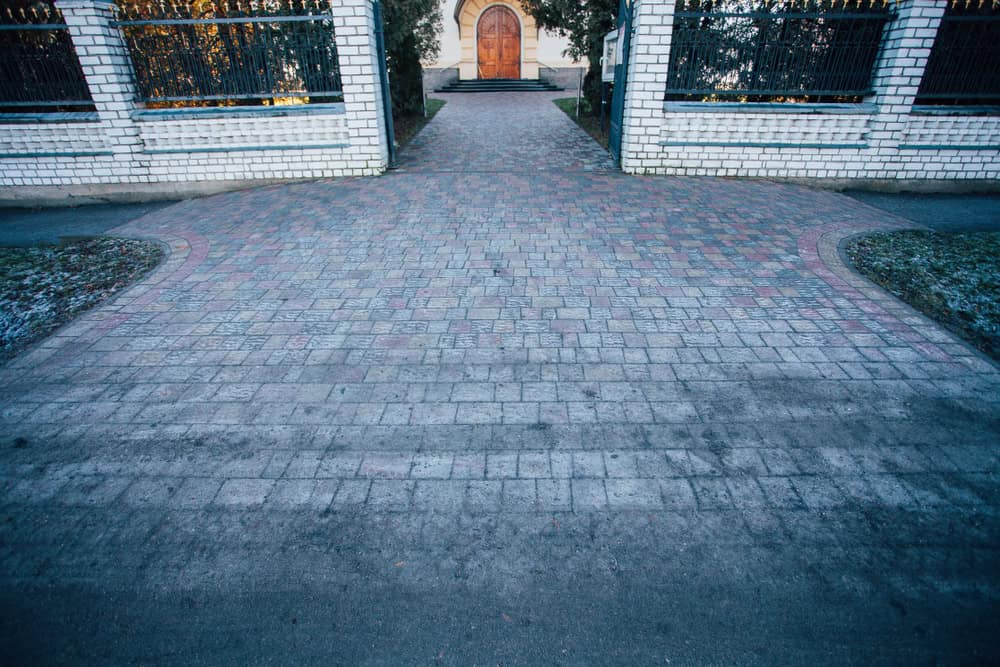
Walkways and patios consistently top the list for return on investment in yard design projects. A well-designed paver walkway creates clear paths, protects your lawn from constant foot traffic, and immediately elevates your home’s appearance from the street. Patios extend your living space outdoors and provide defined areas for furniture, grills, and entertaining throughout Long Island’s warmer months.
Material selection makes a significant difference. Pavers handle Long Island’s climate better than poured concrete because they flex with freeze-thaw cycles instead of cracking. They’re also simpler to repair—we can replace a few damaged pavers instead of jackhammering and repaving an entire slab. Natural stone offers a high-end appearance but commands a higher price. Concrete pavers provide excellent durability at more accessible costs for most Suffolk County and Nassau County homeowners.

Retaining walls serve double duty in effective yard design. They solve functional problems like managing slopes and preventing erosion while simultaneously adding visual structure and interest to your landscape. A properly built retaining wall creates level planting areas, defines different zones in your backyard design, and can even provide casual seating for gatherings.
Height determines complexity and requirements for retaining walls. Anything exceeding four feet typically requires engineering analysis and building permits in most Long Island municipalities. Shorter walls offer more design flexibility but still demand proper construction techniques to avoid eventual failure. Poor installation leads to walls that lean, crack, or collapse—creating not just an eyesore but a genuine liability on your property.
Material choices for retaining walls range from natural stone to engineered concrete block systems. Natural stone provides an organic, high-end appearance but requires skilled installation and costs significantly more. Concrete block systems offer predictable structural strength and consistent appearance, making them popular choices for properties throughout Long Island. They’re also more predictable regarding both cost and project timeline.
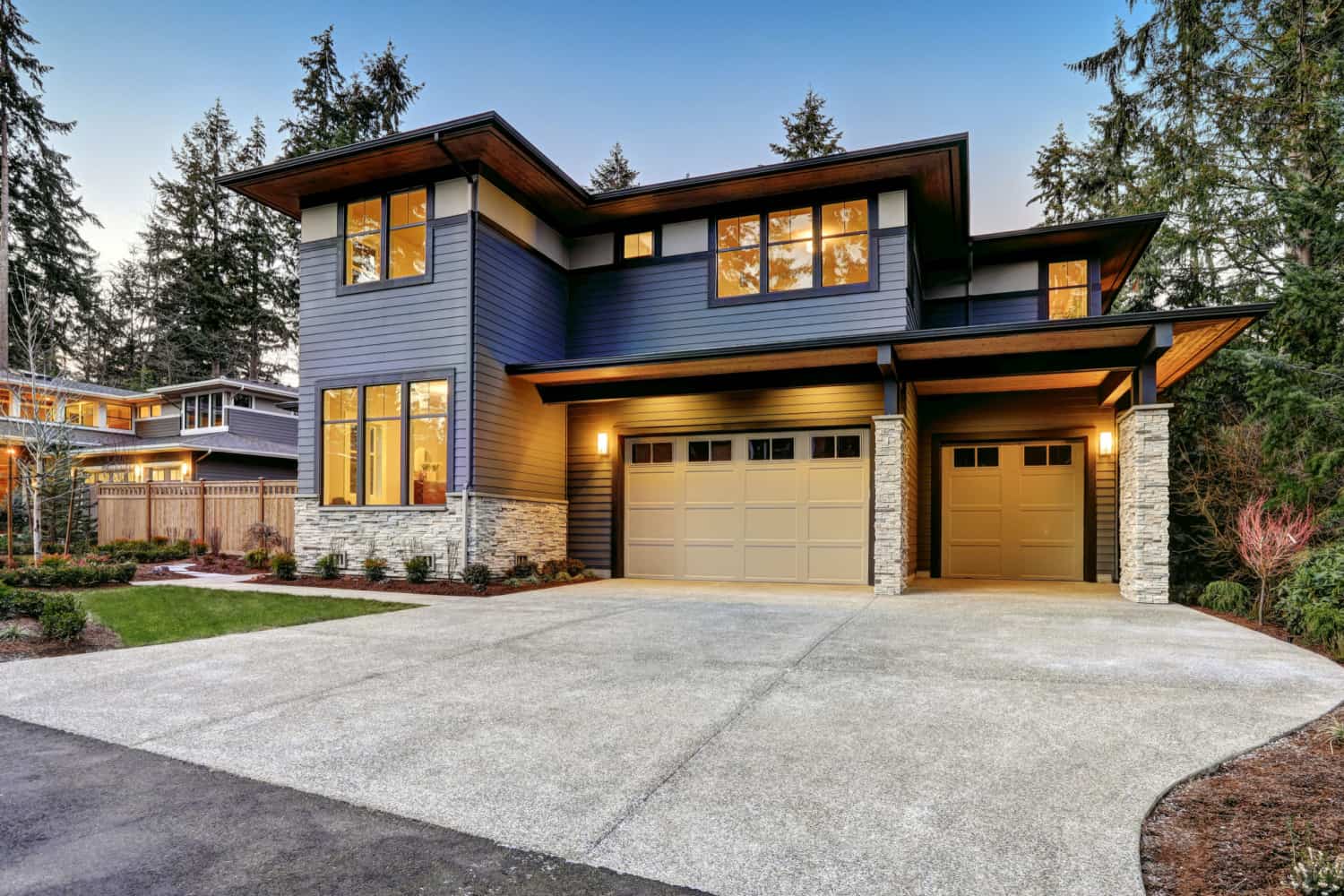
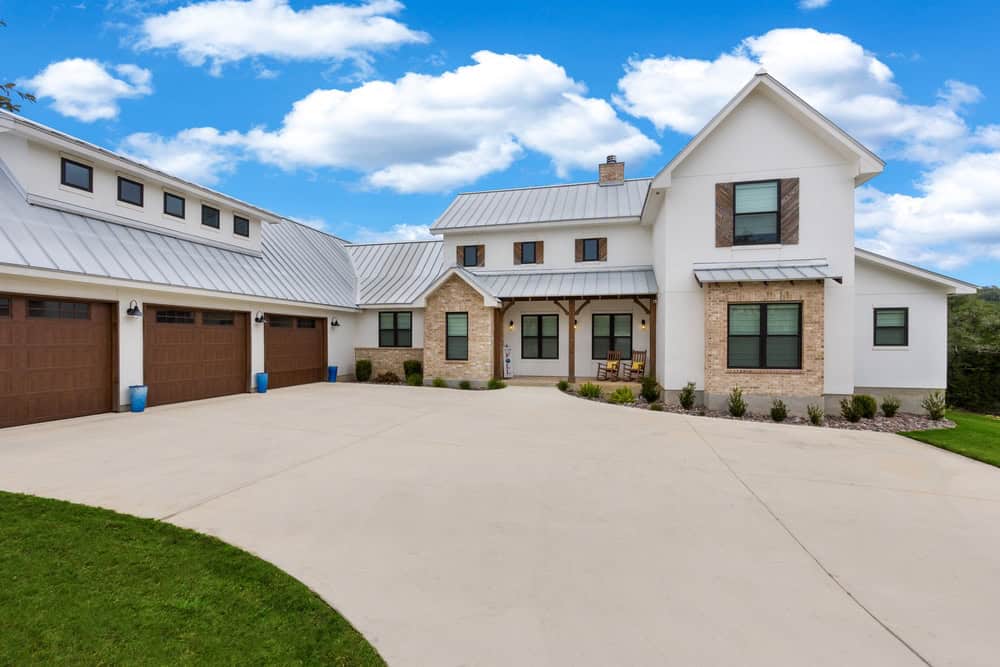
Driveways create massive impact on curb appeal because they’re one of the largest visible surfaces on your property. A cracked, oil-stained, or uneven driveway drags down your entire home’s appearance regardless of how attractive everything else looks. Upgrading to quality pavers or properly installed concrete immediately elevates perceived value and curb appeal for potential buyers or simply your own daily enjoyment.
Consider long-term performance with driveway materials. Asphalt requires resealing every few years and eventually needs complete replacement. Concrete lasts longer but can crack and proves difficult to repair invisibly. Pavers cost more initially but offer superior durability for Long Island’s climate and easy repair when needed—plus they don’t require periodic resealing like asphalt.
Steps and entryways deserve special attention in any yard design plan because they’re high-traffic areas that visitors see and use constantly. Worn, uneven, or dated front steps send the wrong first impression. Upgrading your entrance with quality masonry work creates an immediate positive impact and improves safety for everyone entering your home.
Proper installation determines success with all hardscaping projects. Even premium materials fail if the base isn’t prepared correctly. Adequate excavation, appropriate base material, thorough compaction, and proper drainage separate hardscaping that looks great for decades from projects that start failing within a few years. This is why choosing an experienced landscape contractor matters more than just getting the lowest bid.
Foundation plantings frame your home and create the essential backdrop for every other element in your yard design. These are typically shrubs and small trees planted near your house that visually anchor the building in the landscape. Without strong foundation plantings, even the best lawn and seasonal flowers fall flat and fail to create cohesive curb appeal.
Choose foundation plants based on their mature size, not how they look in the nursery. That cute little shrub will grow substantially. If it’s meant to reach eight feet tall and you plant it under a four-foot window, you’re creating years of constant pruning work or an eventual replacement project. Measure your spaces carefully and select plants that fit those dimensions at maturity—we help with these calculations during the design process.
Evergreens provide year-round structure and visual interest that matters especially during Long Island winters. Deciduous plants that lose their leaves definitely have their place in balanced landscape design, but your yard shouldn’t transform into a collection of bare brown sticks for five months. Mix evergreens with deciduous plants to maintain appeal through all four seasons.
Layering creates depth and professional appearance in backyard design. Use taller plants toward the back, medium-height plants in the middle ground, and shorter plants or groundcovers in front. This arrangement creates visual interest and ensures all your plants remain visible instead of hidden behind each other. We use this technique to make even small yards feel more spacious and intentionally designed.
Native plants adapted to Long Island’s specific climate require significantly less maintenance, less supplemental watering, and fewer chemical treatments to thrive. They’re also better for local wildlife and pollinators. That doesn’t mean your yard needs to look wild or unkempt—plenty of native plants offer beautiful flowers, interesting foliage textures, and attractive forms that work in formal landscape designs.
Mulch does more than create a neat appearance. It suppresses weed growth, retains soil moisture during dry periods, regulates soil temperature extremes, and gradually breaks down to improve soil quality over time. Fresh mulch gives planting beds a clean, finished appearance that dramatically improves curb appeal. Plan on refreshing mulch annually or every other year depending on the type you use and your aesthetic standards.
Edging defines clear boundaries between different areas of your yard design—lawn and planting beds, driveway and landscape areas, walkways and gardens. Clean, defined edges make everything look more intentional and professionally maintained. They also create physical barriers that prevent grass from invading your beds and make mowing significantly easier and faster.
Lighting extends the usability of your outdoor spaces and highlights your landscape design after sunset. Path lights improve safety and guide visitors to your door during evening hours. Uplighting on specimen trees or architectural features creates dramatic visual interest. Well-designed landscape lighting adds security to your Suffolk County or Nassau County property and allows you to enjoy your yard investment during evening hours throughout the year.
Here’s what it comes down to: your yard design should work for you, not against you. It should add measurable value to your Long Island property without creating endless maintenance obligations. It should look attractive now and still look great in five years.
Start with structural elements—walkways, patios, proper drainage. Get those foundations right and everything else becomes significantly easier. Then layer in plantings that suit Long Island’s climate, your specific site conditions, and your realistic maintenance capacity. Choose materials that handle freeze-thaw cycles and coastal weather. Plan for visual interest across all four seasons, not just spring and summer.
The homeowners who get yard design right don’t necessarily spend the most money. They spend strategically. They prioritize projects delivering real value and skip trendy features that won’t age well. If you’re ready to transform your outdoor space with upgrades that actually matter, we bring over two decades of masonry and landscape design experience to properties throughout Suffolk County, Nassau County, and Long Island.
Article details:
Share:
Continue learning: