Discover how professional patio pavers can transform your Long Island outdoor space into the perfect gathering spot for family and friends.
Share:
Summary:
Long Island weather isn’t kind to outdoor surfaces. Our freezing winters and humid summers put concrete through freeze-thaw cycles that create cracks and uneven surfaces. You’ve probably seen it in your own neighborhood.
Patio pavers handle this differently. Each piece moves independently, so when the ground shifts or temperatures change, your surface stays intact. Instead of one large slab that cracks and needs major repairs, you get a flexible system that adapts.
The drainage alone makes pavers worth considering. Rather than water pooling on your patio during those heavy summer storms, it flows through the joints and away from your foundation.

Not every paver material handles Northeast weather the same way. You want something that won’t crack during January’s deep freeze or fade during August’s heat waves.
The best paver options for Suffolk and Nassau County properties resist freeze-thaw damage and maintain their color through years of sun exposure. Cambridge Pavers with ArmorTec technology, for example, are specifically engineered to handle temperature extremes while keeping their surface smooth and colors vibrant.
Natural stone options like bluestone are popular locally because they’re quarried right here in New York and New Jersey. That means no overseas shipping costs and materials that are already proven to work in our climate. Concrete pavers offer the most design flexibility and typically cost less upfront, while still delivering the durability you need.
Permeable pavers are gaining traction among environmentally conscious homeowners. These allow rainwater to seep through the surface, reducing runoff and helping with drainage issues that many Long Island properties face. They’re particularly smart if you’re dealing with standing water problems or want to be proactive about stormwater management.
The key is matching your material choice to your specific situation. A patio that gets full sun all day needs different considerations than one that’s mostly shaded. Areas with heavy foot traffic require different specs than a quiet seating area.
The difference between a patio that lasts decades and one that starts showing problems in a few years usually comes down to the base preparation and installation quality. This isn’t a place to cut corners.
Professional paver installation starts with proper excavation and base preparation. We need to account for your soil conditions, drainage patterns, and how the finished surface will handle Long Island’s weather extremes. We’ll compact the base properly, ensure adequate drainage, and set the pavers with the right joint spacing for your climate.
Many Suffolk and Nassau County towns have specific requirements for patio installations, especially if you’re building near property lines or adding drainage features. As qualified contractors, we know these requirements and handle the permitting process for you. We also understand how to work around existing utilities, irrigation systems, and landscaping.
The installation process itself requires specialized tools and experience. Proper edge restraints, joint sand application, and final compaction all affect how your patio performs long-term. Get it right the first time, and you’re looking at 30 to 50 years of low-maintenance outdoor living space.
We provide warranties on our work and know how to handle any issues that might come up during the project. We’re insured, licensed, and accountable for the final result in ways that DIY projects simply can’t match.
The most successful patio projects start with understanding how you actually want to use the space. Are you planning intimate family dinners, large gatherings, or a quiet spot to read? Your usage patterns should drive the size, layout, and features you include.
Location matters more than you might think. Consider sun patterns throughout the day, privacy from neighbors, and how the patio connects to your indoor living spaces. The best outdoor areas feel like natural extensions of your home, not afterthoughts stuck in the corner of your yard.
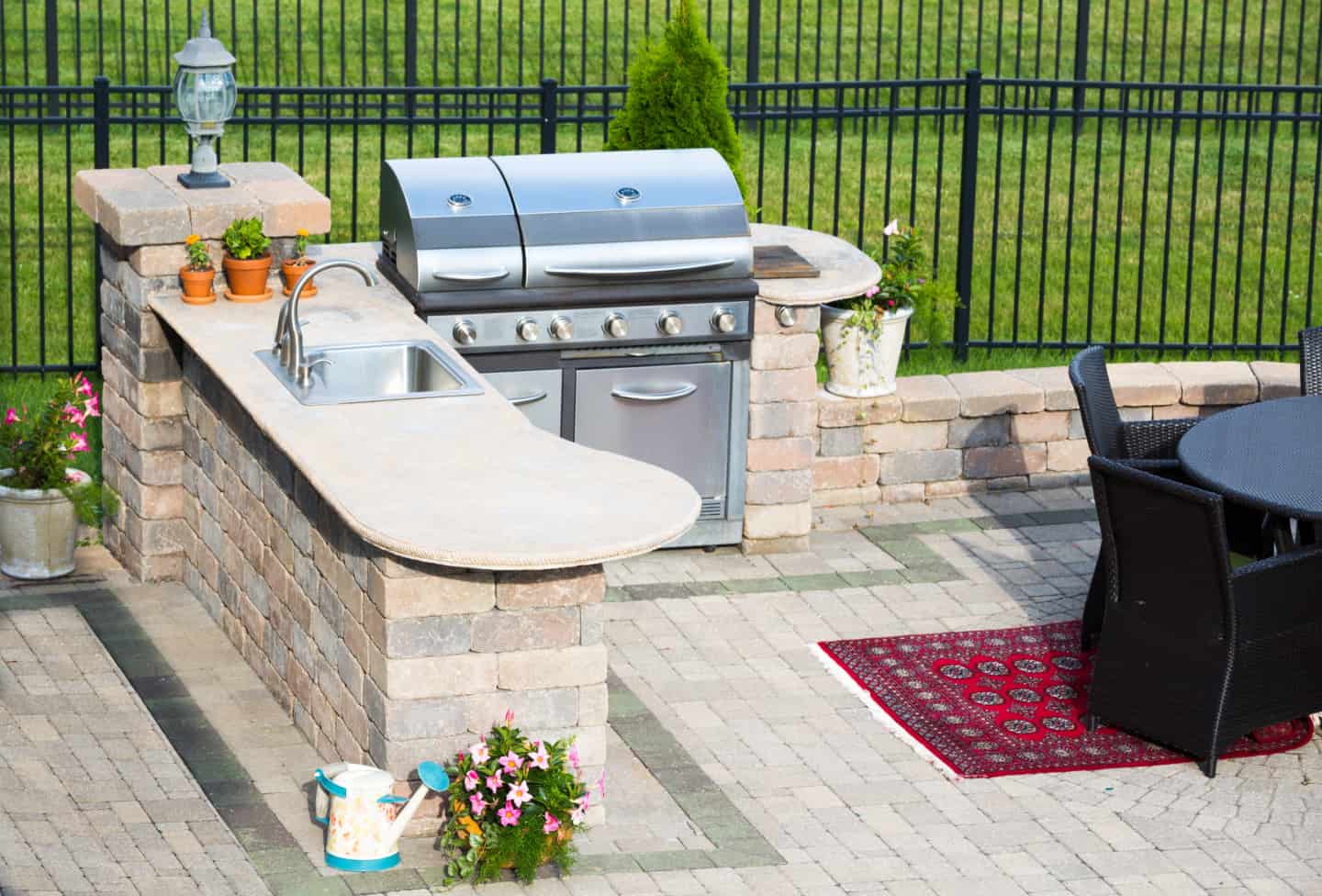
Budget planning should include not just the initial installation but potential future additions. Many homeowners start with a basic patio and add features like fire pits, outdoor kitchens, or expanded seating areas later. Smart planning during the initial installation can save significant money down the road.

Long Island outdoor living has its own character. You want spaces that work for summer barbecues and fall gatherings, but also feel comfortable during our shorter shoulder seasons.
Multi-level patios are particularly effective for larger yards. You might have a main entertaining area near the house, with steps down to a fire pit area or quiet seating space. This creates distinct zones while maintaining visual flow throughout your outdoor space.
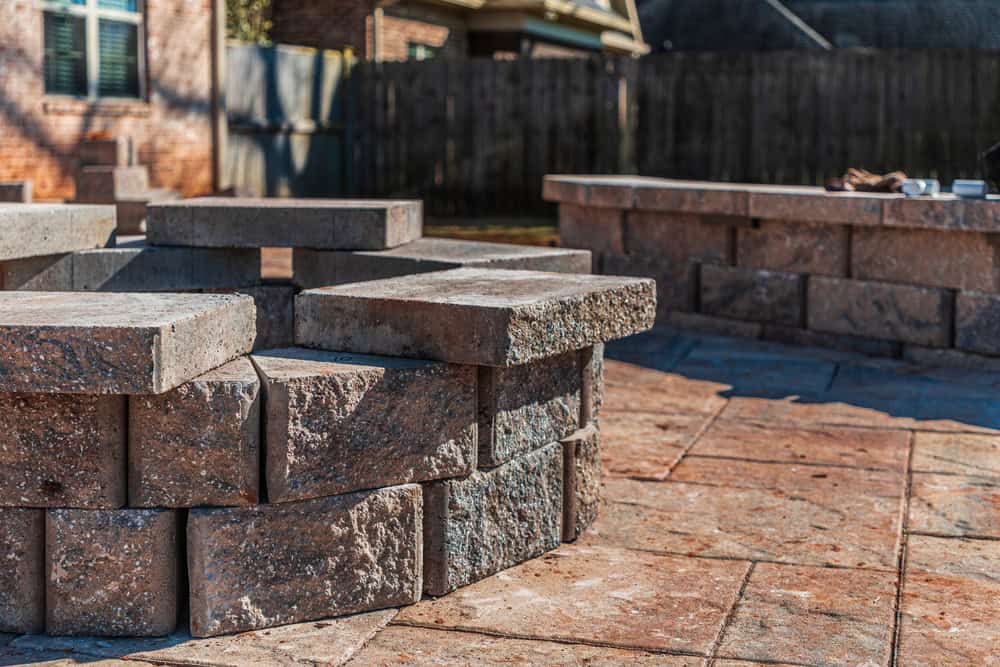
Circular and curved designs are trending because they feel more natural and encourage conversation. A circular fire pit area surrounded by curved seating walls creates an intimate gathering spot that works for both large parties and quiet evenings.
Mixed material approaches add visual interest without overwhelming the space. Combining different paver sizes, colors, or textures can define different areas or create focal points. Popular combinations include using larger pavers for main walkways with smaller, more detailed patterns around fire features or water elements.
Built-in features like seating walls, planters, and lighting should be planned during the initial design phase. These elements are much easier and less expensive to include during construction than to add later. Consider how outdoor lighting will extend your usable hours and highlight your investment after dark.
The key is creating a design that complements your home’s architecture while reflecting your personal style. Traditional colonial homes might call for classic brick or bluestone patterns, while contemporary properties can handle bolder geometric designs or mixed materials.
Patio paver costs on Long Island typically range from $15 to $30 per square foot for professional installation, depending on materials, complexity, and site conditions. That might seem like a significant investment, but the numbers tell a different story when you consider longevity and property value impact.
Well-designed patios can add 8 to 10 percent to your home’s value while providing return on investment rates of 80 percent or higher. That’s better than most interior renovations and significantly better than swimming pools, which typically recoup less than half their installation cost.
The real value comes from how the space enhances your daily living and entertaining capabilities. Homeowners consistently report that their patio becomes the most-used area of their property during good weather months. When you factor in the cost of restaurant meals and entertainment that you can now host at home, the financial benefits extend beyond just property value.
Material choices significantly affect both upfront costs and long-term value. Concrete pavers offer the most design options at moderate prices, while natural stone costs more initially but provides timeless appeal that never goes out of style. Premium options like porcelain pavers cost more upfront but require virtually no maintenance and maintain their appearance indefinitely.
Consider the total cost of ownership, not just installation price. Pavers that cost slightly more initially but require less maintenance and last longer often provide better value over time. Factor in potential future additions like outdoor kitchens, fire features, or expanded entertaining areas when making material and design decisions.
Your outdoor space should work as hard as you do. The right patio paver installation gives you a foundation for years of outdoor living, entertaining, and relaxation that actually enhances your daily life.
Long Island’s climate demands materials and installation methods that can handle our weather extremes while maintaining their beauty and functionality. Professional installation ensures your investment performs as expected and provides the durability you need for decades of enjoyment.
The best patio projects start with understanding your goals, budget, and how you want to use the space. From there, it’s about choosing materials and designs that complement your home while reflecting your personal style. When you’re ready to explore your options, we at DLZ Construction and Landscaping Inc. bring over 20 years of experience helping Suffolk and Nassau County homeowners create outdoor spaces they love.
Article details:
Share:
Continue learning: