Suffolk County's harsh weather wreaks havoc on brick and mortar. Learn how to identify common masonry problems and when to call professionals.
Share:

Summary:
Long Island’s coastal climate is tough on masonry. Your brick and mortar face a perfect storm of conditions that accelerate deterioration faster than most other regions.
The culprit isn’t just winter cold. It’s the constant freeze-thaw cycling that happens throughout our unpredictable seasons. Water seeps into tiny cracks in your masonry, then freezes when temperatures drop. Ice expands with tremendous force, widening those cracks and creating space for even more water infiltration.
Add in salt air from the Atlantic, driving rain from nor’easters, and humidity that keeps moisture trapped in porous brick, and you’ve got conditions that can turn minor wear into major structural problems within a few seasons. Understanding these forces helps you spot problems early and take action before they become expensive headaches.

Spalling brick is exactly what it sounds like—chunks of brick face flaking, chipping, or completely breaking away from the structure. It starts small but spreads fast, and it’s the number one masonry problem we see in Suffolk County homes.
You’ll recognize spalling by the telltale signs: brick material scattered around your foundation, surfaces that look like they’re peeling or crumbling, and bricks that feel soft or powdery to the touch. The damage usually starts on surfaces that get the most weather exposure—south and west-facing walls, chimney tops, and areas around windows where water tends to collect.
What makes spalling particularly dangerous is how it accelerates. Once one brick starts deteriorating, it creates weak points that allow more moisture penetration. That moisture spreads to surrounding bricks, and before you know it, you’re looking at a section of wall that needs complete rebuilding rather than simple repairs.
The freeze-thaw cycle we mentioned earlier is the main driver, but spalling can also result from using the wrong mortar during previous repairs, power washing at too high pressure, or installing bricks that weren’t rated for below-grade applications. Poor drainage that keeps water against your masonry also speeds up the process significantly.
Early intervention is everything with spalling. Replacing a few damaged bricks costs a fraction of rebuilding an entire wall section. If you’re seeing the early signs—small chips, surface roughness, or minor flaking—it’s time to call in a professional mason who can assess the extent of damage and determine whether spot repairs will hold or if you need more extensive work.
Mortar joints are the unsung heroes of masonry construction. They hold everything together, provide flexibility for thermal movement, and create the first line of defense against water infiltration. When mortar starts failing, your entire masonry system is at risk.
Failed mortar shows up as cracked, crumbling, or missing material between bricks. You might notice gaps where mortar has completely fallen out, or joints that look powdery and weak. Sometimes the mortar appears intact but feels soft when you press it with a tool—a sure sign that it’s lost its structural integrity.
Suffolk County’s weather is particularly hard on mortar joints. The constant wet-dry cycling weakens the bond, while freeze-thaw action creates pressure that cracks even well-installed joints. Salt exposure from winter road treatments and coastal air also accelerates chemical breakdown of mortar materials.
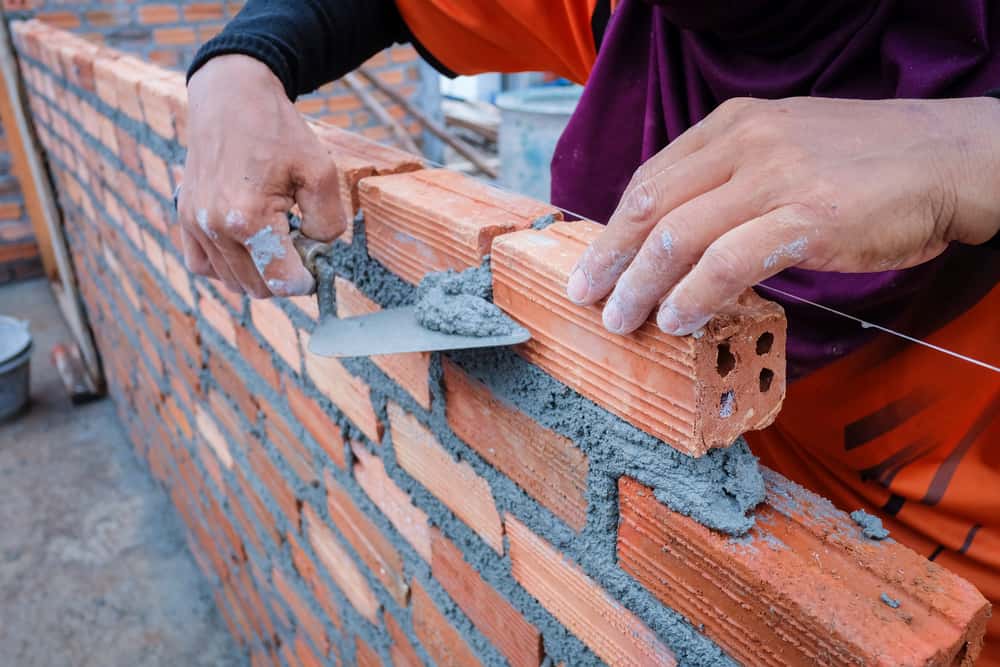
The fix for failed mortar joints is called repointing or tuckpointing. This involves carefully removing the damaged mortar and replacing it with fresh material that matches the strength and permeability of your original mortar. It sounds straightforward, but there’s real skill involved in matching mortar composition, achieving proper depth and tooling, and ensuring the repair integrates seamlessly with existing masonry.
One critical mistake many homeowners make is using modern Portland cement mortar on older brick construction. Historic bricks are often softer than modern materials, and hard mortar can actually cause the bricks themselves to fail rather than the joints. Professional masons understand these compatibility issues and select mortar mixes that work with your specific masonry system.
Timing matters with mortar repairs. Small sections of failed joints can be repointed relatively inexpensively. But if you wait until water infiltration has damaged the bricks themselves or structural movement has occurred, you’re looking at much more extensive and costly repairs. Regular inspection of your mortar joints, especially after severe weather, helps catch problems while they’re still manageable.
Chimneys take the worst beating of any masonry structure on your home. They’re fully exposed to weather from all directions, deal with temperature extremes from fires below, and handle thermal cycling that would stress any material.
Common chimney masonry problems include deteriorating crowns, damaged flue liners, failing flashing, and structural cracks that compromise the entire system. These aren’t just cosmetic issues—they’re safety hazards that can lead to carbon monoxide infiltration, house fires, or complete chimney collapse.
The key is understanding which problems need immediate professional attention versus those you can monitor and schedule for repair. Any structural movement, large cracks, or visible leaning requires emergency assessment. Water infiltration problems need prompt attention before they spread to your home’s interior structure.

Water is masonry’s biggest enemy, and Suffolk County’s climate provides plenty of opportunities for infiltration. Understanding how water damages masonry helps you identify problems early and take preventive action.
Water enters masonry systems through multiple pathways: failed mortar joints, cracks in brick faces, damaged flashing, compromised crowns, and even through the porous structure of the masonry itself. Once inside, water creates a cascade of problems that compound over time.
The freeze-thaw cycle we’ve discussed is just one mechanism. Water also dissolves minerals from mortar and brick, weakening their structure. It carries salts that crystallize and create internal pressure. In severe cases, it can reach structural elements like steel lintels, causing rust and expansion that cracks surrounding masonry.
Signs of water infiltration aren’t always obvious from the outside. Interior staining, musty odors, efflorescence (white mineral deposits on brick surfaces), and rust stains can all indicate water problems before external damage becomes visible. Soft or spongy mortar, bricks that sound hollow when tapped, and vegetation growing from mortar joints are more obvious external indicators.
Professional waterproofing involves more than just applying sealant to brick surfaces. Effective water management requires proper drainage, correctly installed flashing, breathable sealers that allow trapped moisture to escape, and sometimes structural modifications to redirect water flow. The goal is to keep water out while allowing any moisture that does enter to escape harmlessly.
Prevention is far more cost-effective than repair when it comes to water damage. Regular inspection of flashing, gutters, and drainage systems catches problems before they affect your masonry. Professional waterproofing treatments can extend the life of masonry significantly, especially in challenging climates like ours here on Long Island.
Sometimes masonry problems go beyond surface repairs. Structural issues like settling, foundation movement, or severe deterioration require comprehensive rebuilding rather than patching. Recognizing these situations saves you from throwing money at repairs that won’t hold.
Structural masonry problems show up as large cracks, bowing or bulging walls, separated joints, and masonry that’s pulling away from the building structure. You might notice doors and windows that no longer fit properly, cracks in interior walls that correspond to exterior masonry, or sections of brick that sound hollow when tapped.
Foundation settlement is a common cause of structural masonry problems in Suffolk County. Our soil conditions, combined with freeze-thaw cycling and water infiltration, can cause foundations to shift. When foundations move, the masonry above moves with them, creating stress fractures and separation that compromises the entire system.
Steel components within masonry systems also create structural problems as they age. Lintels over windows and doors, shelf angles that support brick veneer, and reinforcement within walls can rust and expand, creating pressure that cracks surrounding masonry. These problems often require removing and replacing both the steel components and affected masonry.
Professional assessment is critical when dealing with structural masonry issues. A qualified mason can determine whether localized repairs will address the problem or if more extensive rebuilding is necessary. We can also identify underlying causes like drainage problems or foundation issues that need to be addressed to prevent recurring damage.
The cost difference between structural repairs and surface fixes is significant, but attempting inadequate repairs on structural problems is false economy. Properly executed structural masonry work, while expensive upfront, provides decades of reliable service and protects your home’s value. Inadequate fixes often fail within a few years, leaving you with both the original problem and damage from the failed repair attempt.
Masonry problems don’t improve with time. What starts as minor weathering becomes structural damage that threatens your home’s safety and value. The key is knowing when to take action and choosing professionals who understand Long Island’s unique challenges.
Early intervention saves money and prevents headaches. Small repairs cost hundreds rather than thousands, and preventive maintenance extends masonry life significantly. Professional assessment helps you understand what you’re dealing with and make informed decisions about repair versus replacement.
When you need masonry repair in Suffolk County, choose contractors with local experience and proven expertise. We at DLZ Construction and Landscaping Inc. have been serving Long Island homeowners for over two decades, understanding exactly how our climate affects masonry and what solutions actually work long-term.
Article details:
Share:
Continue learning: