Your backyard has potential you're not tapping. Find out when DIY stops working and professional backyard landscaping becomes the smarter move for Long Island homes.
Share:

Summary:
Backyard landscaping isn’t just planting shrubs and mowing grass. In Suffolk County and Nassau County, it’s about creating outdoor spaces that survive coastal humidity, freeze-thaw cycles, and nor’easters without falling apart. That’s where masonry contracting comes in.
Masonry work includes patios, walkways, retaining walls, outdoor kitchens, and driveways—the hardscaping that gives your yard structure and function. When done right, these elements don’t just look good. They handle Long Island’s weather, improve drainage, and add serious value to your property. When done wrong, you’re dealing with cracks, shifts, and water problems within a few seasons.
The difference between a backyard that works and one that doesn’t usually comes down to whether the bones were built to last.

Cracks in your patio aren’t just ugly. They’re a sign that something underneath isn’t right—usually poor base preparation, inadequate drainage, or materials that can’t handle Long Island’s freeze-thaw cycles.
When water seeps into cracks and freezes, it expands. That expansion pushes pavers apart, creates uneven surfaces, and turns a small crack into a safety hazard. You can patch it with sealant or try leveling it yourself, but if the foundation wasn’t done correctly from the start, the problem will come back.
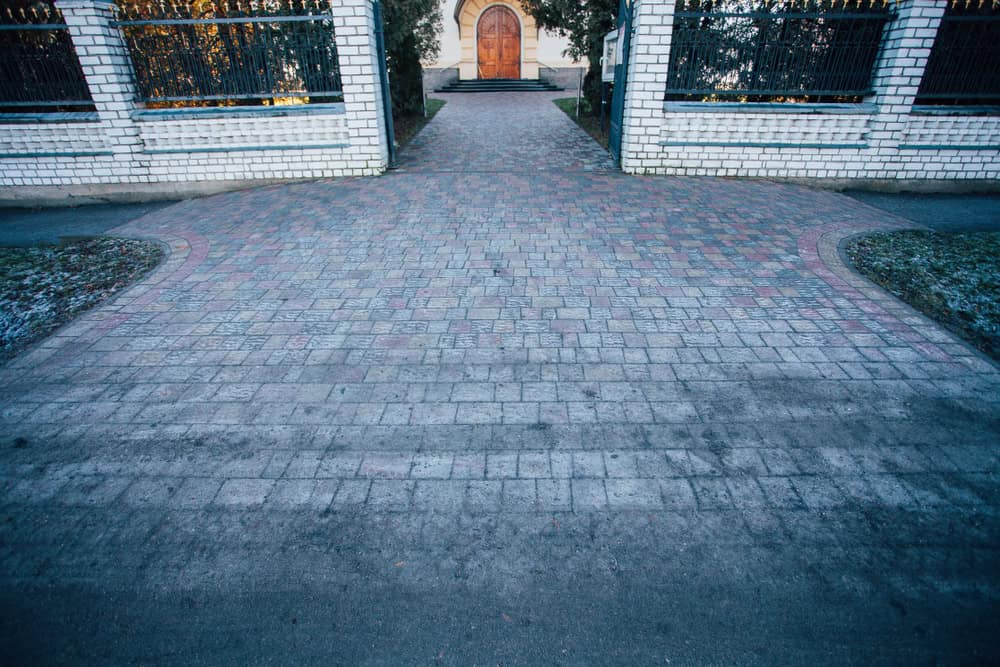
Uneven walkways are even worse. They’re trip hazards, they make your home look neglected, and they signal to buyers that there are bigger issues lurking. If you’re noticing dips, raised edges, or pavers that shift when you step on them, the base layer has failed.
Here’s what a real fix looks like. We remove the damaged section, address the drainage issue causing the problem, rebuild the base with proper compaction and grading, and reinstall pavers or concrete designed to withstand your specific soil and climate conditions. It’s not glamorous, but it’s the only way to stop the cycle of patch-and-repeat.
Long Island’s coastal conditions make this even more critical. Salt air accelerates deterioration. Clay-heavy soil expands and contracts with moisture. If your patio installation didn’t account for these factors, you’re fighting a losing battle. The right materials and the right process matter more than you think.
If you see standing water after it rains, your yard has a drainage problem. And drainage problems don’t fix themselves—they get worse. Water that pools near your foundation can seep into your basement, damage your home’s structure, and create a breeding ground for mold and mosquitoes.
Poor drainage usually stems from improper grading during the original landscape design. Your yard should slope away from your home, directing water toward drainage systems or designated runoff areas. When that slope is missing or reversed, water has nowhere to go.
Retaining walls can help. They create level areas in sloped yards, prevent soil erosion, and redirect water flow. But retaining walls aren’t just decorative—they’re structural. A poorly built retaining wall will lean, crack, or collapse under pressure, especially if it’s holding back saturated soil during heavy rain.
We know how to engineer retaining walls that handle Long Island’s soil conditions and weather patterns. That means proper footings, drainage systems behind the wall, and materials that won’t shift or crack over time. Walls over four feet typically require engineering analysis and permits, which most DIYers aren’t equipped to handle.
If you’re dealing with water pooling, soggy areas that never dry out, or erosion that’s washing away your landscaping, it’s time to bring in someone who understands grading, drainage, and how to fix it permanently. Throwing down some gravel or digging a trench might help temporarily, but it won’t solve the underlying issue. You need a landscape transformation that addresses the root cause, not just the symptoms.
Professional landscape design consistently delivers 10-30% increases in home value for Long Island properties. For a $700,000 home—the median price in the area—that translates to $70,000 to $210,000 in added value. Not bad for an outdoor upgrade.
But it’s not just about the number. Professionally landscaped homes sell 6-15% faster than comparable properties, often generating multiple offers and premium pricing above asking. Buyers see a well-designed outdoor space and immediately understand the home has been cared for. They’re not inheriting someone else’s problems.
The key is strategic investment. Not every landscaping project delivers the same return. A patio installation can yield up to 102% ROI. Walkways return close to 100%. Outdoor kitchens and retaining walls add both functional value and lifestyle appeal, which matters in Long Island’s competitive real estate market.

You have a backyard. You just never use it. Maybe the patio’s too small, the layout doesn’t make sense, or there’s no privacy. Whatever the reason, you’re missing out on usable square footage that could be extending your living space.
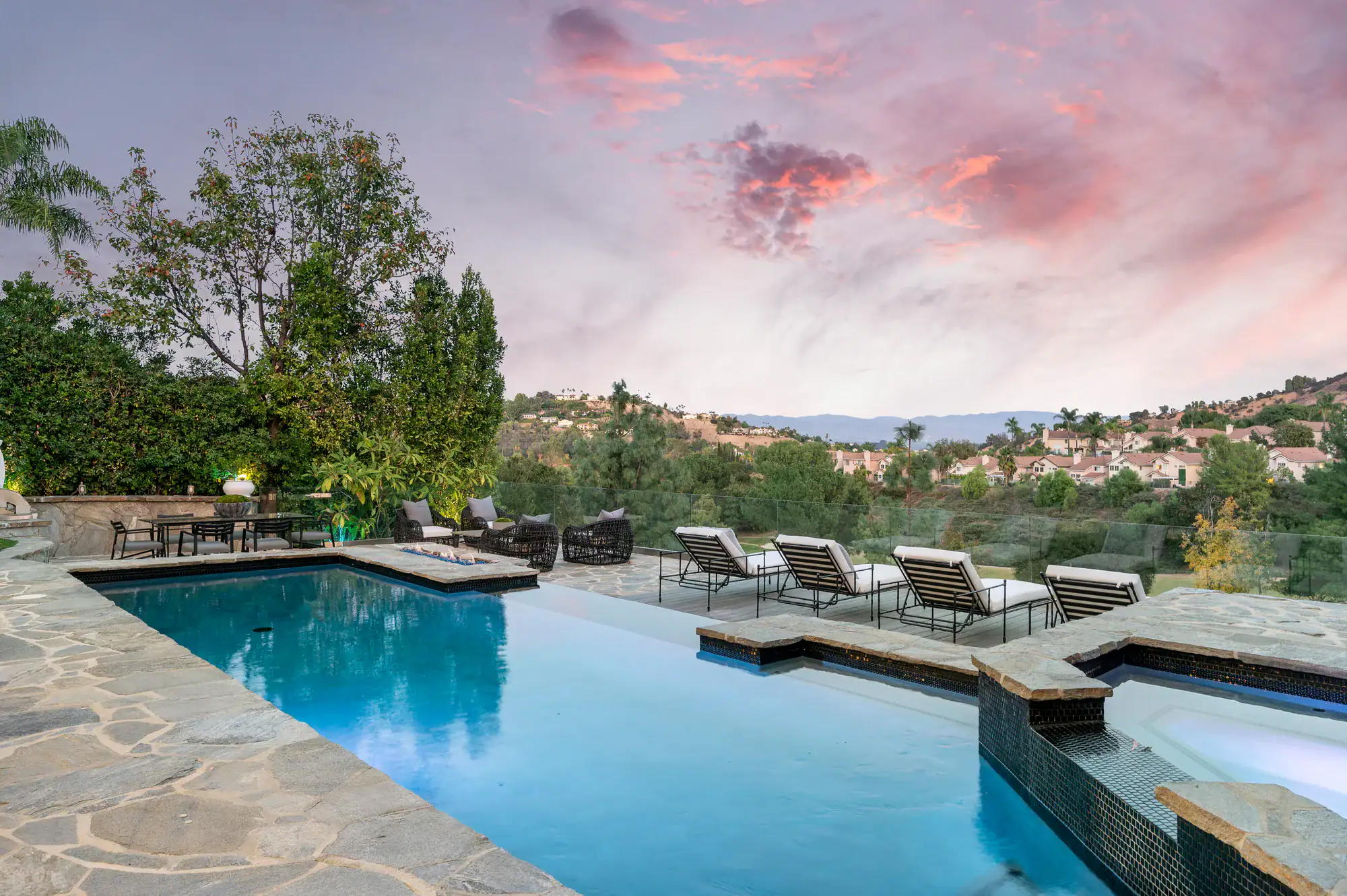
Outdoor living spaces are no longer a luxury—they’re a lifestyle enhancement. Long Island homeowners are investing in patios, outdoor kitchens, fire pits, and seating areas that turn backyards into year-round gathering spots. These aren’t just nice-to-haves. They’re functional upgrades that change how you live.
A well-designed patio creates a natural flow between your indoor and outdoor spaces. It gives you a place to entertain, relax, and enjoy your property without feeling like you’re sitting in a construction zone. Paver patios are especially popular on Long Island because they handle freeze-thaw cycles without cracking, they’re available in a range of styles and colors, and they can be repaired or adjusted if needed.
Outdoor kitchens take it a step further. Instead of running back and forth between your grill and your kitchen, you have everything you need in one place—prep space, storage, a cooking area, and seating. Custom outdoor kitchens on Long Island typically cost between $10,000 and $35,000, depending on size, materials, and features. That might sound steep, but the ROI comes from how much you actually use the space and how it enhances your home’s appeal to future buyers.
If your backyard feels like wasted potential, it’s not because you need a bigger yard. It’s because the space wasn’t designed with your lifestyle in mind. Our landscape design process starts with understanding how you want to use your outdoor space, then builds a layout that makes it happen. No cookie-cutter templates. Just a backyard that actually works for you.
Landscapes age. Trees mature, root systems expand, and what worked two decades ago no longer fits the property as it exists today. If your landscaping was installed 20+ years ago, there’s a good chance it’s not functioning the way it should.
Older irrigation systems struggle to keep up. Roots press against pipes, creating leaks and inconsistent coverage. Planting beds that once looked balanced now feel overgrown or mismatched as trees have grown and changed the light conditions. Concrete walkways and patios show their age through cracks, flaking surfaces, and uneven areas that become safety concerns.
Long Island’s climate accelerates this wear. Freeze-thaw cycles, salt air, and heavy rainfall take a toll on materials that weren’t designed to last. What might have been a solid patio installation in 2005 is now a liability in 2026.
A landscape renovation brings everything back into alignment. It’s not about starting from scratch—it’s about updating the infrastructure, replacing worn materials, and redesigning the layout to work with how your property has evolved. That might mean upgrading your irrigation system, rebuilding walkways with materials that handle Long Island weather, or reconfiguring planting beds to match current light and soil conditions.
If your yard feels outdated, mismatched, or like it’s constantly needing repairs, age is probably the culprit. Investing in a professional landscape transformation now saves you from the endless cycle of patching problems that will only get worse.
Your backyard doesn’t have to be a project you keep putting off. Cracked patios, poor drainage, wasted space, and outdated landscaping are all fixable—but only if you address the root cause instead of slapping on another temporary patch.
Professional backyard landscaping and masonry contracting aren’t about spending more money. They’re about investing in solutions that last decades, not seasons. The right materials, the right process, and the right expertise make all the difference between a yard that works and one that keeps breaking.
If you’re ready to stop fighting with your outdoor space and start using it, we can help. With over 20 years of experience serving Suffolk County, Nassau County, and Long Island, we know exactly what it takes to transform backyards that actually hold up to coastal conditions and deliver real value.
Article details:
Share:
Continue learning: