Discover how professional brick driveway paving enhances your Long Island property's curb appeal and value with durable, weather-resistant solutions.
Share:

Summary:
Long Island homeowners face unique challenges that most driveway materials simply can’t handle. The constant temperature swings, heavy snow loads, and salt exposure destroy traditional surfaces within years.
Brick pavers solve these problems through superior engineering. Each individual unit moves independently, preventing the large-scale cracking that plagues solid surfaces. When soil shifts or frost heaves occur, brick driveways adapt rather than break.
The permeability factor alone makes brick pavers worth considering. Water seeps through the joints instead of pooling on the surface, reducing runoff and preventing the drainage issues that plague many Long Island properties.
Every Long Island homeowner knows the drill—beautiful spring weather followed by summer heat that can literally cook your driveway, then fall rains and winter conditions that would challenge any material. Traditional driveways expand and contract as one massive unit, creating stress points that eventually become cracks.
Brick pavers work differently. Each unit expands and contracts independently, distributing stress across thousands of individual pieces rather than concentrating it in vulnerable spots. This flexibility is why you’ll see brick roads from the 1800s still functioning perfectly while concrete highways need constant repair.
The slip-resistant surface becomes crucial during Long Island’s icy winters. While smooth concrete and asphalt become skating rinks, the textured surface of brick pavers provides traction even when wet. The darker colors also absorb heat more effectively, helping to melt snow and ice faster than lighter-colored alternatives.
Salt damage, another major concern for Long Island driveways, affects brick pavers differently than other materials. Instead of penetrating and causing internal damage, salt sits on the surface where it can be easily cleaned away. The fired clay construction of quality brick pavers makes them naturally resistant to chemical damage that destroys other materials over time.
The sticker shock of brick driveway installation often stops homeowners before they understand the real numbers. Yes, brick pavers cost more upfront—typically $18-23 per square foot compared to $7-15 for asphalt. But that initial investment tells only part of the story.
Asphalt driveways need resealing every 3-5 years at $1-2 per square foot. They require crack filling, pothole repairs, and complete replacement every 15-20 years. Concrete lasts longer but when it fails, you’re looking at complete removal and replacement—a messy, expensive process that can cost more than the original installation.
Brick pavers, properly installed, can last 50-75 years with minimal maintenance. Individual damaged pavers can be replaced without affecting the surrounding area. No resealing required. No wholesale replacement needed. The math becomes compelling when you calculate total cost of ownership over decades rather than just the initial price tag.
Consider the property value impact as well. Real estate professionals consistently report that quality hardscaping, particularly brick driveways, provides some of the highest returns on investment. While a new asphalt driveway might recover 70% of its cost, a well-designed brick driveway often returns 85-95% and sometimes more in desirable Long Island neighborhoods.
The difference between a brick driveway that lasts decades and one that fails within years comes down to installation quality. This isn’t a weekend DIY project—proper installation requires specialized knowledge of Long Island’s soil conditions, drainage requirements, and local building codes.
Professional installation begins with comprehensive site analysis. Soil composition, drainage patterns, and existing utilities all factor into the design. Poor drainage destroys more driveways than any other single factor, making this assessment crucial for long-term success.
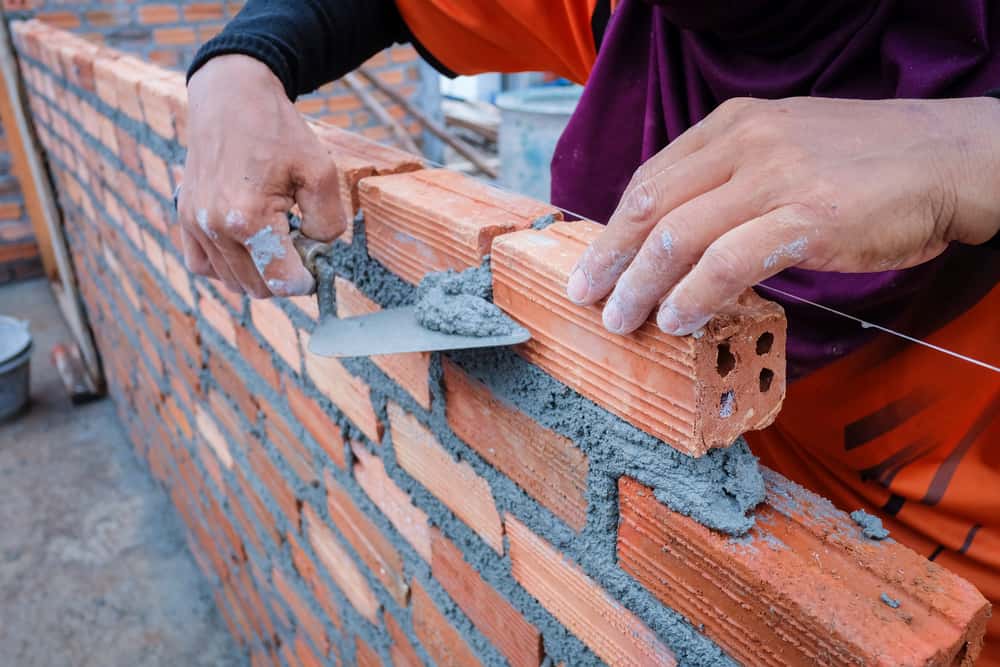
The base preparation process separates professional contractors from weekend warriors. A properly constructed base typically includes excavation to appropriate depth, installation of geotextile fabric, placement and compaction of graded stone base, and precise grading for drainage.

Long Island’s unique geography creates specific challenges that affect brick driveway design. Properties near the water face different soil conditions than inland locations. Areas with high water tables require different drainage solutions than properties on higher ground.
Slope management becomes critical in many Long Island locations. Too steep, and pavers can shift under heavy loads or during freeze-thaw cycles. Too flat, and water doesn’t drain properly. We understand how to work with your property’s natural contours to create a driveway that functions perfectly while enhancing your landscape design.
Pattern selection affects both aesthetics and performance. Herringbone patterns provide maximum interlock and stability, making them ideal for driveways that handle heavy vehicles. Running bond patterns offer a more linear, contemporary look but require careful edge restraint. Basketweave patterns create visual interest but work best in areas with lighter traffic loads.
Color and texture choices should complement your home’s architecture while considering practical factors. Darker colors absorb more heat, helping with snow and ice melting but potentially becoming uncomfortably hot in summer. Lighter colors stay cooler but show stains more readily. Textured surfaces provide better traction but can be more difficult to clean.
The Long Island market includes hundreds of contractors claiming expertise in brick driveway installation, but experience levels vary dramatically. Some specialize in quick asphalt jobs and treat brick paving as a side business. Others focus exclusively on high-end hardscaping and bring decades of specialized knowledge to every project.
Start by verifying credentials and insurance coverage. Any contractor working on your property should carry both liability insurance and workers’ compensation coverage. Ask to see current certificates and verify coverage with the insurance companies directly. This protects you from potential liability if accidents occur during construction.
Experience with local conditions matters more than you might expect. Contractors familiar with Nassau and Suffolk County soil conditions, drainage requirements, and local building codes can anticipate and prevent problems that catch inexperienced installers off guard. Ask for references from recent projects in your area and take the time to visit completed installations if possible.
The estimate process reveals a lot about contractor quality. Professional contractors provide detailed written estimates that break down materials, labor, and timeline. They ask detailed questions about your needs and preferences rather than providing generic quotes. Be wary of contractors who provide estimates without visiting your property or who pressure you to sign contracts immediately.
Your brick driveway represents a significant investment in your property’s future. With proper installation and minimal maintenance, it will enhance your home’s curb appeal and value for decades to come.
The key to maximizing this investment lies in choosing experienced professionals who understand Long Island’s unique challenges. Quality installation prevents the drainage issues, settling problems, and premature wear that plague inferior work.
When you’re ready to transform your property with professional brick driveway paving, we at DLZ Construction and Landscaping Inc. bring over 20 years of specialized experience to every project. Our team understands the unique demands of Nassau and Suffolk County properties and delivers the quality craftsmanship your investment deserves.
Article details:
Share:
Continue learning: