Keep your Long Island masonry a vivid element with maintenance tips for lasting aesthetics and structural health with DLZ Construction.
Share:

Summary:
One of the simplest yet most feasible steps is regular visual inspections, ideally in the spring and fall. Take a walk around your property and look closely at your masonry. Check for cracked or broken bricks, stones, or blocks. Pay close attention to the mortar joints—are they crumbling, receding, or showing gaps? Look for efflorescence, a white, powdery deposit that indicates water is migrating through the masonry and evaporating, leaving salts behind. Also, note any signs of leaning, bulging, or settlement.
Keeping masonry clean upgrades its appearance and can prevent buildup of damaging biological growth or pollutants. However, harsh cleaning methods can cause harm. Generally, gentle washing with clean water and a soft-bristled brush is sufficient for routine cleaning. Avoid using high-pressure power washers, sandblasting, or harsh acidic cleaners unless specifically recommended by a professional for a particular issue, as these can erode mortar joints and damage the face of bricks or stones. Once you address the underlying moisture issue, you can often remove efflorescence with a stiff brush.
Keeping masonry clean upgrades its appearance and can prevent buildup of damaging biological growth or pollutants. However, harsh cleaning methods can cause harm. Generally, gentle washing with clean water and a soft-bristled brush is sufficient for routine cleaning. Avoid using high-pressure power washers, sandblasting, or harsh acidic cleaners unless specifically recommended by a professional for a particular issue, as these can erode mortar joints and damage the face of bricks or stones. Once you address the underlying moisture issue, you can often remove efflorescence with a stiff brush.
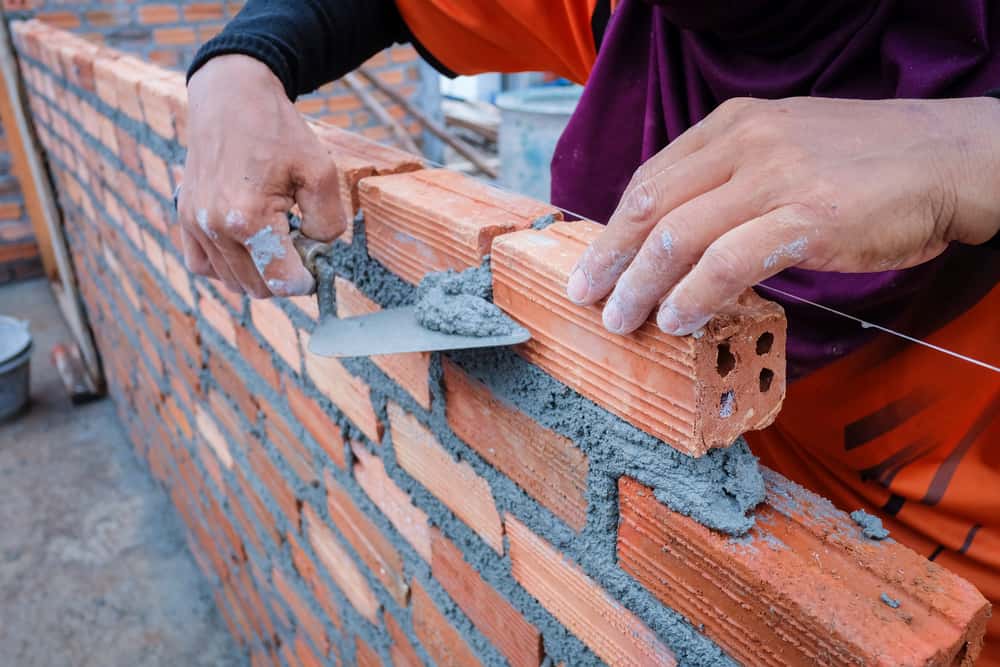
The mortar joints between masonry units are critical for structure and water infiltration. Over time, mortar naturally weathers and deteriorates. When joints become soft, crumbly, or recessed, it’s time for repointing (often called tuckpointing). This involves removing the damaged mortar and replacing it with fresh mortar properly formulated to match the existing structure. Similarly, cracks in the masonry units or mortar should be addressed promptly to prevent water from entering and causing further damage. While minor crack filling might be DIY, repointing or structural repair requires the skill of an experienced masonry contractor for a compatible repair.
Repointing involves carefully grinding or chiseling out the old, deteriorated mortar to a uniform depth, then packing new mortar into the joint in layers. A critical aspect is using new mortar that matches the original in terms of strength, composition, and permeability. Using modern, high-strength mortar on older, softer masonry can cause damage to the surrounding bricks or stones. Regarding sealers, breathable (vapor-permeable) products are generally preferred if sealing is deemed necessary. These allow any moisture vapor trapped inside the wall to escape while repelling liquid water. Non-breathable sealers can trap moisture, potentially leading to more severe damage, predominantly during freeze-thaw cycles. Always consult a licensed masonry contractor or insured masonry contractor for advice on the suitability and type of sealer for your masonry.
Preventing physical damage is also part of maintenance. Avoid leaning heavy items like ladders or equipment against masonry walls for extended periods. During landscaping or other construction activities near masonry, take steps to protect it from accidental impacts. Be cautious with the use of de-icing salts near masonry patios, steps, or foundation walls, as many salts can accelerate surface spalling and deterioration. Consult with a local masonry contractor before undertaking adjacent projects can help identify risks and preventative measures.
Maintenance tips for preserving the beauty and longevity of masonry work? They include regular inspection, gentle cleaning, water management, timely repair of mortar joints and cracks, and protecting surfaces from physical harm. While homeowners can perform many routine checks and cleaning tasks, repairs like large-scale repointing or addressing structural cracks require professionals. Partnering with a licensed masonry contractor ensures that repairs are done correctly using appropriate materials and techniques, safeguarding your investment for the long term. For professional masonry assessment, repair, and maintenance services in Long Island, NY, contact DLZ Construction and Landscaping Inc.
Article details:
Share:
Continue learning: