Planning a Long Island construction project? Familiarize yourself with the often-overlooked environmental benefits of using durable masonry materials like stone and brick.
Share:

Summary:
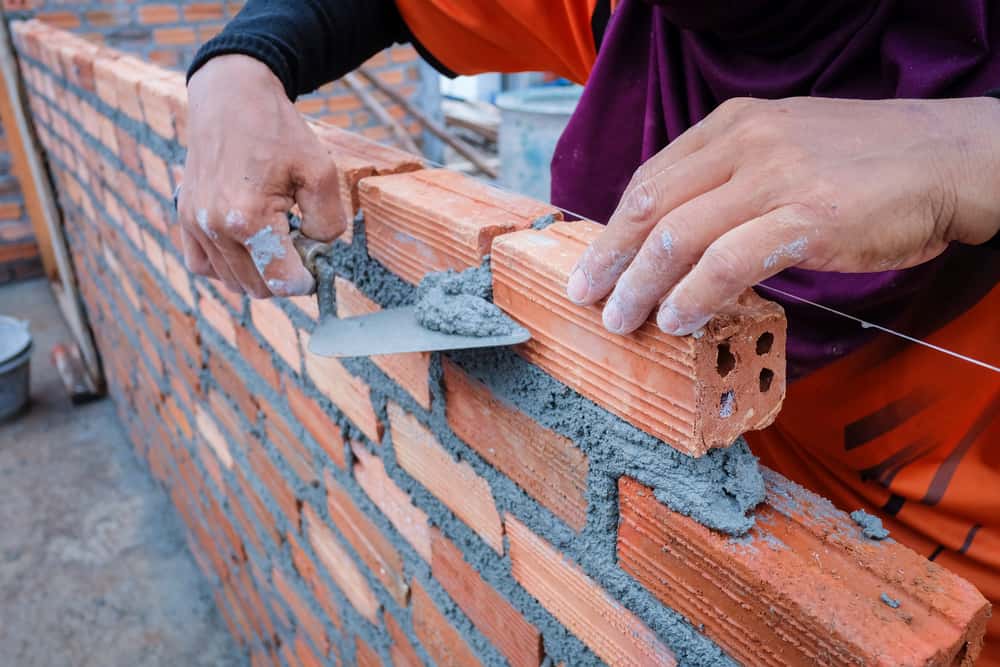
A primary environmental benefit stems directly from masonry’s inherent durability. Materials like stone and brick are exceptionally long-lasting. Structures built by a skilled brick mason or stone mason can endure for generations, sometimes centuries, with proper maintenance like occasional mortar repair. This incredible longevity means fewer replacement cycles compared to materials with shorter lifespans (e.g., wood siding, asphalt shingles). Fewer replacements translate to significantly less manufacturing energy consumed, fewer raw materials extracted, less transportation impact, and drastically reduced construction waste sent to landfills over the building’s life.
Consider the waste generated when materials fail prematurely and need replacement. Masonry’s long service life inherently minimizes this demolition and disposal cycle. Furthermore, existing masonry often allows for preservation rather than replacement. Techniques like masonry restoration and careful repointing or tuckpointing can extend the life of historical masonry structures indefinitely, preserving embodied energy and resources. Doing so contrasts sharply with materials that degrade quickly and offer limited repair options, contributing more frequently to the waste stream from both residential masonry and commercial masonry projects over the course of time.
Consider the waste generated when materials fail prematurely and need replacement. Masonry’s long service life inherently minimizes this demolition and disposal cycle. Furthermore, existing masonry often allows for preservation rather than replacement. Techniques like masonry restoration and careful repointing or tuckpointing can extend the life of historical masonry structures indefinitely, preserving embodied energy and resources. Doing so contrasts sharply with materials that degrade quickly and offer limited repair options, contributing more frequently to the waste stream from both residential masonry and commercial masonry projects over the course of time.
Certain masonry materials offer benefits related to energy use and responsible sourcing. The mass of brick, stone, and blockwork can contribute to a building’s energy efficiency through thermal properties. Additionally, the raw materials for masonry are often abundant and sometimes locally available, potentially reducing transportation impacts. Some masonry products also incorporate recycled content, further lessening their environmental footprint. Exploring “what are the environmental benefits of choosing certain types of masonry materials?” includes evaluating these aspects related to operational energy and the material’s origin and composition for sustainable construction options.
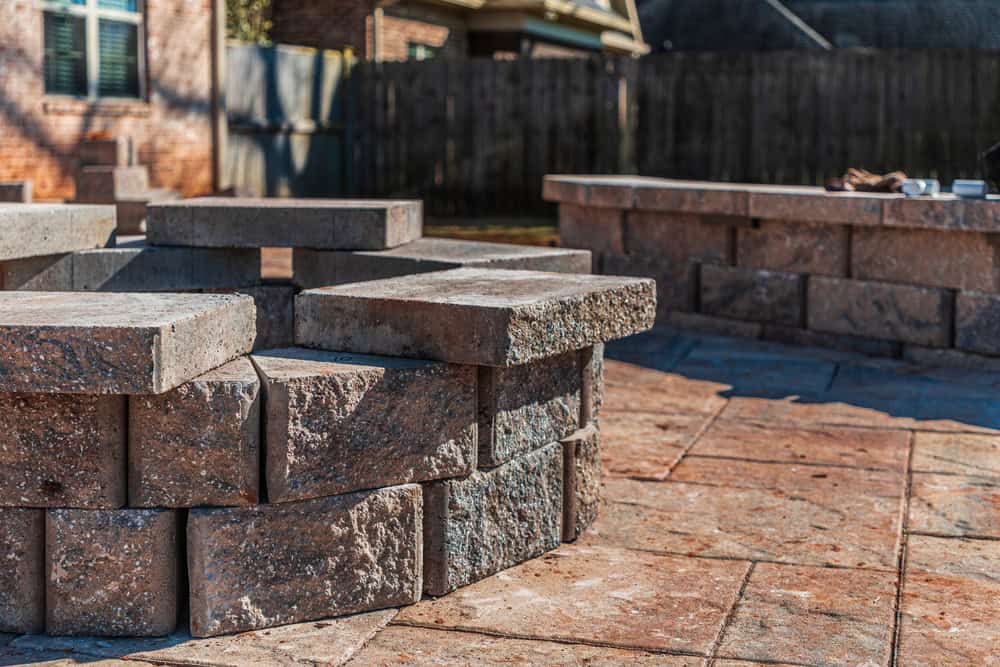
Different materials offer unique points. Natural stone, like granite or bluestone, sometimes quarried regionally relative to Long Island, provides extreme durability with minimal processing energy; local sourcing reduces transport fuel. Brick offers exceptional longevity and can often be salvaged and reused (reclaimed brick), especially valuable in historical masonry projects. Concrete Masonry Units (CMUs) or blockwork, skills employed by a block mason, provide structural efficiency, excellent thermal mass, and frequently incorporate recycled materials like fly ash or slag, diverting industrial byproducts from landfills. Each offers a path toward more sustainable masonry services.
Heavy materials like brick, stone, and concrete block possess significant thermal mass. This means they absorb heat slowly and release it gradually. In building design, strategically placed masonry walls or floors can help moderate indoor temperature swings. They absorb heat during warm Long Island days (or from sunlight) and release it gradually during cooler nights, reducing the load on heating and cooling systems. This passive temperature regulation can lead to lower energy consumption for maintaining comfortable indoor conditions, contributing to operational energy savings over the building’s life.
Choosing masonry materials offers distinct environmental advantages. Their exceptional durability minimizes waste from replacements, while thermal mass can contribute to energy efficiency. Options like locally sourced stone, reclaimed brick, or blocks with recycled content further increase sustainability as your objective.
Article details:
Share:
Continue learning: