Discover how masonry companies use specialized sealants and proven techniques to protect Long Island patios from destructive winter freeze-thaw cycles.
Share:
Summary:
The freeze-thaw cycle isn’t some abstract concept. It’s the main reason your patio cracks, shifts, and deteriorates faster than it should.
Here’s what actually happens. Water gets into the tiny pores and hairline cracks that exist in all masonry materials. When temperatures drop below freezing, that water expands by about nine percent. Doesn’t sound like much until you realize that expansion creates thousands of pounds of pressure per square inch inside those confined spaces. The pressure pushes outward, widening cracks and weakening the stone from the inside.
Then temperatures rise, the ice melts, and you’re left with slightly larger gaps than before. Water fills those bigger gaps, temperatures drop again, and the whole process repeats. Long Island experiences somewhere between 30 and 40 of these cycles every winter. Each one makes existing damage worse. Proper masonry work can help address these issues with appropriate materials and construction techniques.

Not all freeze-thaw damage is created equal. Some climates stay consistently cold all winter, which actually causes less damage than what Long Island experiences.
The problem here is temperature fluctuation. A week of below-freezing nights followed by a few days in the 40s, then back down again. That constant swing above and below the freezing point is what creates so many cycles in a single season. Areas with stable winter temperatures don’t face the same repeated expansion and contraction.
Coastal proximity adds another layer of complexity. Salt air from the ocean doesn’t just affect your car. It penetrates masonry surfaces and accelerates deterioration when combined with freeze-thaw stress. The salt draws moisture into the stone, which means more water available to freeze and expand. Properties closer to the water face even more aggressive conditions than inland locations.
Moisture load matters too. Winter rain, snowmelt, and refreezing slush keep patios wet for extended periods. If that water can’t drain away quickly, it becomes fuel for the next freeze-thaw cycle. Poor drainage around hardscaping features turns what could be minor seasonal stress into accelerated damage that shows up as cracked joints, shifted pavers, and surface spalling by spring.
The ground beneath your patio also reacts to freezing temperatures. When moisture in the soil freezes, frost heave can lift slabs and push against foundation elements. After thawing, uneven settling occurs. Over time, this repeated ground movement creates the uneven surfaces and lips you notice after snow season, even when the pavers themselves haven’t cracked.
We don’t wait for visible damage to appear. We look for early warning signs that most homeowners miss until problems become expensive.
Joint condition tells you a lot. Mortar or sand between pavers that’s starting to deteriorate creates pathways for water infiltration. Loose joints allow moisture to penetrate deeper into the base layers, where freeze-thaw damage happens out of sight. We inspect joint integrity and address weak spots before winter weather exploits them.
Surface texture changes matter. Areas that look slightly sandy or show fine cracks often indicate that previous freeze-thaw cycles have already begun weakening the stone. These aren’t sudden failures, they’re the visible result of internal stress that’s been building over multiple seasons. Catching this early means you’re repairing instead of replacing.
Drainage patterns around your patio determine how much water exposure your hardscaping faces. Downspouts that dump near steps, yard grades that push runoff toward patios, and clogged drains keep meltwater sitting exactly where freezing will hit it repeatedly. We evaluate water management as part of protection planning because even the best sealants can’t overcome constant saturation.
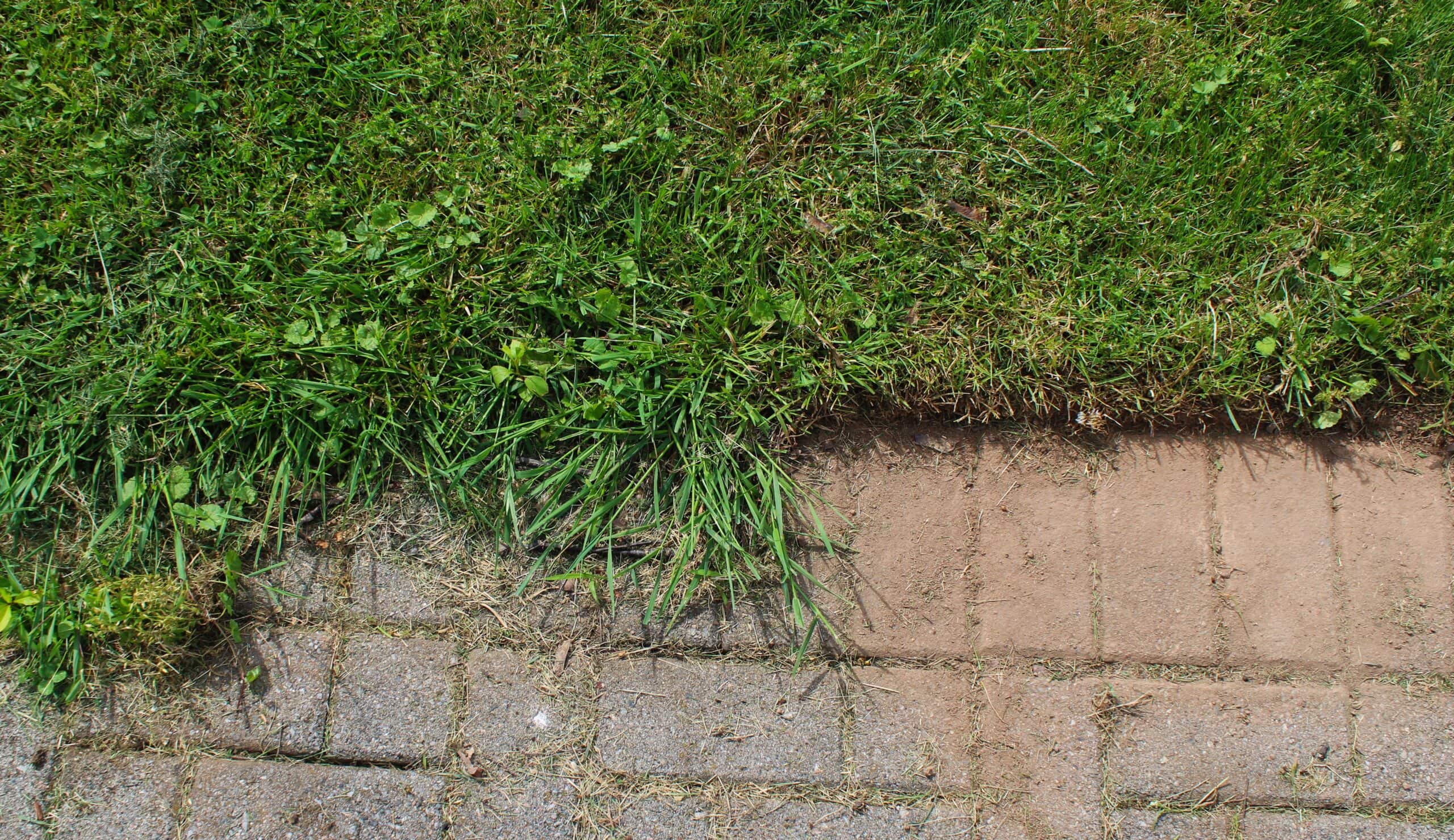
Edge conditions and transitions between different materials create stress points. Where patios meet grass, driveways, or building foundations, you often see accelerated wear. These areas experience different rates of expansion and contraction, which creates additional cracking opportunities. We pay special attention to these transitions when planning winter protection.
The base beneath your visible surface determines long-term stability. If the aggregate base is too thin, poorly compacted, or built with materials that hold water, it shifts more easily during freeze-thaw cycles. We sometimes need to address base issues before surface protection makes sense, because sealing the top while problems exist underneath just delays inevitable failure.
Not all sealants do the same job. We choose products based on your specific stone type, exposure conditions, and how you use the space.
Penetrating sealants work below the surface. Silane and siloxane formulations soak into the paver stones and chemically bond within the material. They create a hydrophobic barrier that repels water while still allowing trapped moisture to escape. This breathability is crucial in freeze-thaw climates because it prevents moisture from getting trapped behind a surface film where it can cause spalling.
Surface sealants form a protective film on top of the stone. Acrylic-based products provide excellent UV protection and can enhance color, giving pavers that “wet look” some homeowners prefer. The trade-off is that surface sealants need more frequent reapplication and can become slippery when wet. We often recommend these for areas with less foot traffic or where color enhancement is a priority.

Even the best sealant fails if application timing or surface prep is wrong. We follow specific protocols that determine whether protection lasts or fails within a season.
Surface cleaning comes first. Any dirt, efflorescence, old sealant, or organic growth needs complete removal before new product goes on. Power washing works, but pressure settings matter. Too much pressure damages joints and surface texture. Too little leaves contaminants that prevent proper sealant bonding. We use controlled pressure and sometimes chemical cleaners for stubborn stains or mineral deposits.
Drying time is non-negotiable. Masonry materials need to be thoroughly dry before sealant application, usually waiting a minimum of 24 to 72 hours after cleaning depending on weather conditions. Applying sealant to damp stone traps moisture inside, which defeats the entire purpose of freeze-thaw protection. Temperature requirements matter too, most products need surface temperatures between 50 and 90 degrees Fahrenheit for proper curing.
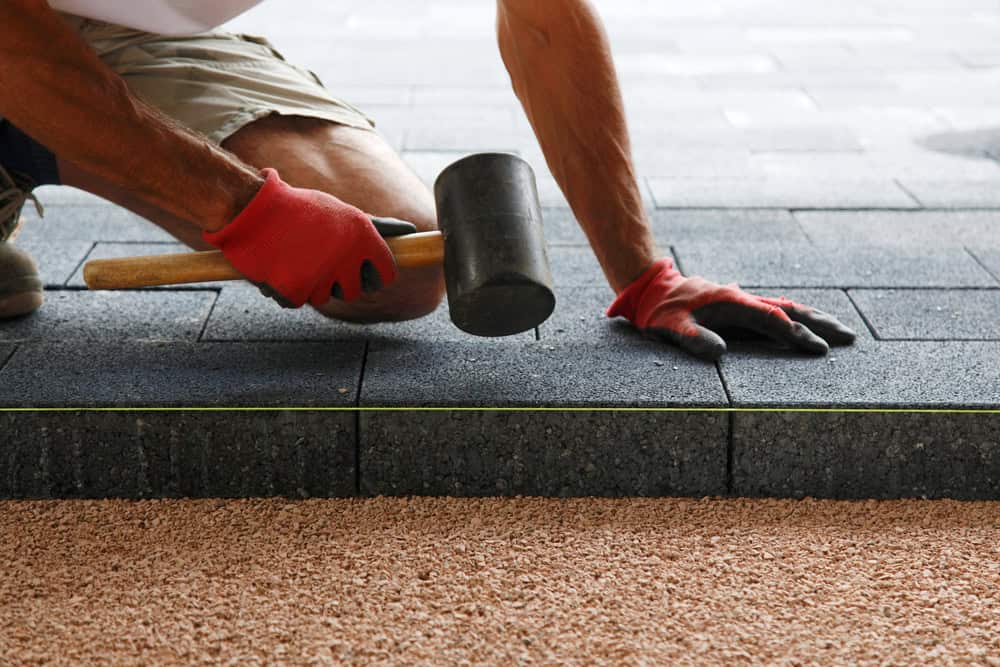
Joint stabilization happens before sealing. Polymeric sand between pavers needs to be properly installed and activated. This sand hardens when wetted, creating a stable joint that resists washout and reduces weed growth. Once it’s set and completely dry, the sealing process can begin. Skipping this step or rushing it compromises the entire protection system.
Application method affects coverage and penetration. Spraying works well for large areas and ensures even distribution. Rolling gives more control on vertical surfaces or areas where overspray could damage landscaping. We often use multiple methods on a single project, choosing the right technique for each surface type and location.
Multiple coats provide better protection than a single heavy application. The first coat penetrates and bonds. The second coat fills any remaining porosity and creates a more complete barrier. Timing between coats matters, apply too soon and you’re just pushing wet product around, wait too long and the second coat won’t bond properly to the first.
Sealing your patio once doesn’t mean you’re done forever. Protection degrades over time, and we plan for ongoing maintenance that extends the life of both the sealant and the stone beneath it.
Resealing frequency depends on exposure and traffic. Most Long Island patios benefit from professional resealing every three to five years. High-traffic areas like main walkways might need attention every two to three years. Shaded areas or spots near trees often require more frequent maintenance because organic debris and constant moisture accelerate sealant breakdown.
Annual inspections catch problems early. Even with good sealant protection, you should check for new cracks, joint deterioration, or areas where water isn’t beading properly anymore. These signs indicate that protection is wearing thin in specific spots. Addressing small issues prevents them from becoming major repair projects.
Cleaning between sealant applications maintains effectiveness. Regular sweeping removes debris that can scratch surfaces or hold moisture against the stone. Occasional rinsing with a garden hose keeps dirt from building up. Avoid harsh chemicals or high-pressure washing between professional maintenance visits, these can strip sealant prematurely.
Drainage maintenance protects your investment as much as the sealant does. Keep gutters clean, make sure downspouts direct water away from hardscaping, and address any settling that creates low spots where water pools. The best sealant in the world can’t overcome constant saturation from poor drainage.
Winter prep goes beyond just having good sealant. Avoid using metal shovels or harsh de-icing chemicals on sealed surfaces. Rock salt and calcium chloride can damage both the sealant and the stone. Sand or calcium magnesium acetate work better for traction without causing deterioration. Remove snow promptly to minimize the time meltwater sits on the surface.
We offer maintenance programs that include periodic inspections, cleaning, and resealing on a schedule. This takes the guesswork out of timing and ensures your patio gets attention before protection fails. It’s cheaper than emergency repairs and keeps your outdoor space looking good year-round.
Freeze-thaw damage isn’t inevitable. Understanding the science behind it and using proven protection methods keeps your patio looking good and functioning properly for decades instead of needing repairs every few years.
The right sealant, applied correctly and maintained on schedule, creates a barrier that stops water infiltration before freeze-thaw cycles can cause damage. We bring the local climate knowledge and technical expertise that makes protection actually work instead of just looking good for a season.
Your patio represents a significant investment in your property and your outdoor living space. Protecting it properly means you’re enjoying that space instead of dealing with repairs. If you’re looking for masonry companies that understand Long Island’s specific challenges and have proven methods for winter hardscaping protection, we have the experience and local knowledge to keep your outdoor spaces in top condition through every season.
Article details:
Share:
Continue learning: