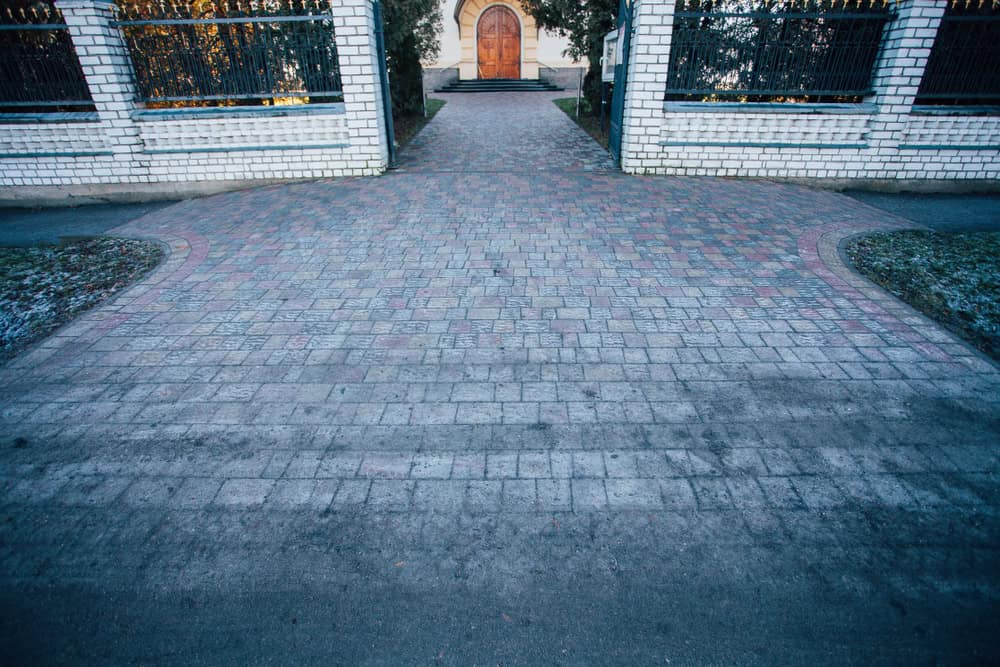
Professional maintenance tips to keep your Suffolk County brick driveway beautiful, durable, and protected year-round from local masonry experts.
Share:
Summary:
To keep your brick paver driveway looking sharp, you need to stay on top of maintenance with proper cleaning techniques. Your driveway faces unique challenges here in Suffolk County – from beach sand tracked in during summer visits to road salt residue after winter storms.
Sweep frequently to maintain appearance effectively, ideally sweeping pavers daily to prevent accumulation of soil, dust, and leaves. It’s particularly important to sweep before rain, as this simplifies cleaning work later. This simple step prevents stains from setting in and keeps your driveway looking professional.
Pavers can become soiled from various sources including potted plants, muddy shoes, windblown dirt, food spills, and standing water. The key is addressing these issues before they become permanent problems that require aggressive cleaning methods.
When regular sweeping isn’t enough, you need cleaning methods that work with Suffolk County’s specific conditions. A mild cleaning solution works wonders for brick pavers without causing harm – mix a small amount of dish soap or white vinegar with water in a bucket for a gentle blend that removes dirt and stains while keeping pavers safe.
Before starting any cleaning project, test the solution on a small, hidden area. This prevents unexpected discoloration or damage to your entire driveway. Apply the mixture with a soft-bristled brush or mop, scrub gently to avoid scratching the surface, then rinse thoroughly with clean water to remove all soap residue.
For tougher stains common in our area – think oil spots from cars or organic stains from fallen leaves – start by removing any weeds or moss that may have grown between bricks using either a hand tool or power washer with specialized attachment, being cautious not to dislodge any bricks. Mix dish soap and warm water, dip a stiff-bristled brush into the solution, scrub the brick surface thoroughly paying attention to stained areas, then rinse with a hose ensuring all soap residue is removed.
Professional cleaning equipment is safer and more effective at preserving the integrity of your driveway pavers, similar to how specialized roof cleaning protects shingles. When you’re dealing with stubborn stains or haven’t maintained your driveway in years, professional cleaning ensures the job gets done right the first time without damage.
The timing of deep cleaning matters in Suffolk County. Seal during dry weather with temperatures between 10°C and 25°C, avoiding wet or frosty conditions. This typically means late spring through early fall offers the best windows for major cleaning projects.
When regular sweeping isn’t enough, you need cleaning methods that work with Suffolk County’s specific conditions. A mild cleaning solution works wonders for brick pavers without causing harm – mix a small amount of dish soap or white vinegar with water in a bucket for a gentle blend that removes dirt and stains while keeping pavers safe.
Before starting any cleaning project, test the solution on a small, hidden area. This prevents unexpected discoloration or damage to your entire driveway. Apply the mixture with a soft-bristled brush or mop, scrub gently to avoid scratching the surface, then rinse thoroughly with clean water to remove all soap residue.
For tougher stains common in our area – think oil spots from cars or organic stains from fallen leaves – start by removing any weeds or moss that may have grown between bricks using either a hand tool or power washer with specialized attachment, being cautious not to dislodge any bricks. Mix dish soap and warm water, dip a stiff-bristled brush into the solution, scrub the brick surface thoroughly paying attention to stained areas, then rinse with a hose ensuring all soap residue is removed.
Professional cleaning equipment is safer and more effective at preserving the integrity of your driveway pavers, similar to how specialized roof cleaning protects shingles. When you’re dealing with stubborn stains or haven’t maintained your driveway in years, professional cleaning ensures the job gets done right the first time without damage.
The timing of deep cleaning matters in Suffolk County. Seal during dry weather with temperatures between 10°C and 25°C, avoiding wet or frosty conditions. This typically means late spring through early fall offers the best windows for major cleaning projects.
Sealing brick pavers with sealant every few years protects the driveway from usual wear and tear and prevents staining of bricks. In Suffolk County’s climate, this protection becomes even more critical due to our exposure to salt air, temperature fluctuations, and heavy precipitation.
Sealing your brick paver driveway helps solidify sand and prevent weeds and moss from appearing in joints. Once sealed, the driveway may be protected for up to 3-5 years, depending on the sealer and application. Without sealing, your investment deteriorates much faster.
A well-sealed driveway not only looks great but also lasts longer – it’s a wise decision that saves money on repairs in the future. This is particularly true in our area where winter freeze-thaw cycles can cause significant damage to unsealed masonry.
The sealing process requires careful preparation and timing, especially in Suffolk County’s variable weather. Preparation involves checking that the brick surface is dry with no rain expected the next day, sweeping with a decent broom to clean the paver surface and remove debris and stains, and pulling out any weeds between bricks.
Apply sealer using a low-pressure sprayer covering the whole walkway surface, use a wiper to work material into joints and remove excess from the surface, then let the patio surface dry for a few hours before walking on it. Avoid traffic on the surface until fully dry, typically 3-4 hours.
Use a roller to back-roll any puddled sealer that didn’t penetrate into brick or joints, ensuring a nice even coat and letting it soak for a few minutes, then use back roller to get puddled sealer and let dry before applying additional coats for more shine. Be careful – more shine doesn’t necessarily mean better looking, and you want sealer to be breathable, so avoid over-applying beyond manufacturer recommendations as this causes problems.
Apply paver sealer to restore color and protect against future wear, choosing based on desired finish whether glossy “wet look” or natural matte appearance, using paint roller or sprayer for even coat application, and applying second coat after first dries if needed.
To retain materials’ high quality long-term, pavers may be resealed periodically with sealers typically needing reapplication once every 3-5 years, and you may consult a landscape contractor to estimate the driveway’s condition. In Suffolk County, the harsh winters and salt exposure may require more frequent resealing than in milder climates.
Suffolk County winters present unique challenges for brick driveway maintenance. Winter maintenance plays a vital role in preserving the integrity of newly paved driveways, as freezing temperatures and snowfall during colder months pose significant challenges.
Snow plowing or shoveling should be done with caution using plastic shovels or snow blowers equipped with rubber blades to avoid damaging the pavement’s surface. Metal shovels and traditional snow plow blades can chip, crack, or dislodge individual bricks, leading to expensive repairs come spring.
Applying de-icing agents sparingly is recommended to prevent excessive damage caused by salt or chemical corrosion. Sweeping away any leftover residue promptly after winter storms is crucial as it reduces exposure to harmful substances that can deteriorate pavement quality. The salt air we already deal with in Suffolk County makes additional salt exposure particularly damaging.
Homeowners in Suffolk County have an important responsibility to remove snow and ice from paved walkways and sidewalks outside their property to create safe paths for pedestrians. This legal requirement means you can’t simply avoid maintenance during winter months.
Consider alternative de-icing methods like sand for traction instead of salt when possible. When you must use de-icing products, choose those specifically designed for masonry surfaces and apply them sparingly. By implementing proper sealing techniques and following winter maintenance practices diligently, homeowners in Suffolk County can ensure their newly paved driveways remain safe and durable for years to come.
The investment in proper winter care pays dividends. Driveways that receive appropriate winter maintenance can last decades, while those exposed to harsh treatment may need major repairs or replacement within just a few years.
Brick driveway pavers add charm and value to your home, and regular care keeps them looking great for years through frequent cleaning, weed removal, sand joint refilling, sealant application for stain and weather protection, and immediate crack or loose paver repair.
Periodic maintenance helps preserve and protect the beauty and integrity of your valuable investment while enhancing overall curb appeal. The key is staying consistent with maintenance rather than waiting for problems to develop.
Your Suffolk County brick driveway represents a significant investment in your property’s value and appearance. With proper maintenance steps, your outdoor space will shine and you’ll enjoy a lasting, eye-catching entrance to your home. When you need professional expertise for major maintenance, repairs, or restoration, we at DLZ Construction and Landscaping Inc. bring over two decades of experience serving Suffolk and Nassau County homeowners with the quality craftsmanship and local knowledge your driveway deserves.
Article details:
Share:
Continue learning: