Your business exterior speaks before you do. Discover how professional commercial landscape design and masonry repair transform Nassau County properties into assets that attract tenants and customers.
Share:
Summary:
Your commercial property’s exterior makes promises before anyone walks through the door. A well-maintained landscape with solid masonry tells tenants and customers they can expect the same attention to detail inside. Cracked walkways and overgrown beds? They’re making a different statement entirely.
If you manage commercial property in Nassau County, Suffolk County, or anywhere across Long Island, you already know that keeping your exterior spaces professional isn’t just about aesthetics. It’s about property value, tenant satisfaction, liability management, and the dozens of other priorities competing for your attention every week. The question isn’t whether your landscape matters—it’s how to get it handled without adding another full-time job to your plate. Professional commercial masonry and landscaping services can help keep your property’s exterior functional, polished, and well maintained.
Commercial landscape design goes well beyond mowing grass and trimming hedges. It’s the strategic planning and ongoing management of every outdoor element that shapes how people experience your property.
For business properties in Nassau County and Long Island, this means working with a landscape contractor who understands commercial demands. Your landscape needs to handle foot traffic, look professional year-round, comply with local codes, and require minimal disruption to your operations. That’s a different set of requirements than residential work.
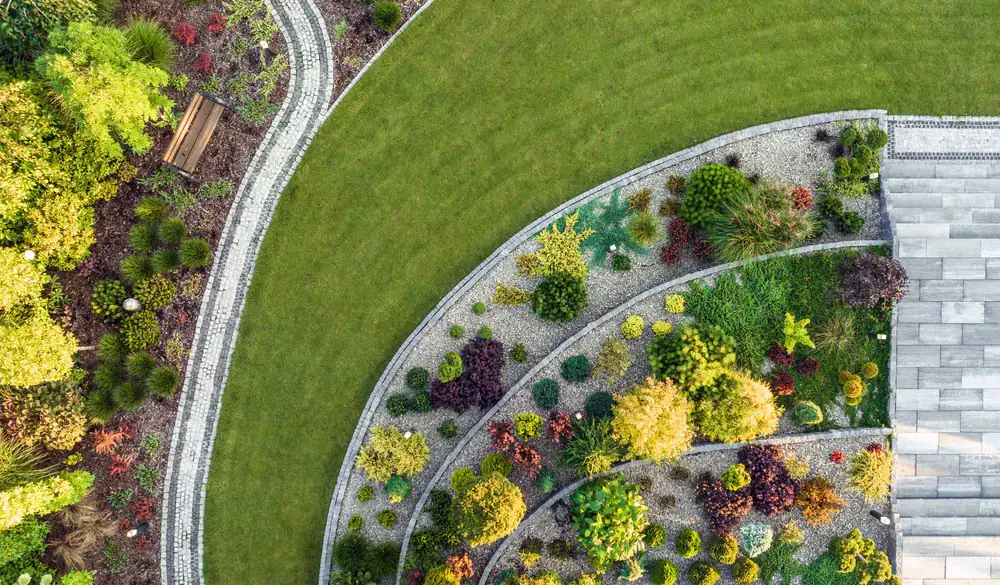
The best commercial landscape design integrates hardscaping elements like walkways, patios, and retaining walls with plantings that thrive in Long Island’s climate. When a landscaping design company gets this right, you’re not constantly dealing with failed plants, drainage issues, or surfaces that crack after one winter. You’re working with systems built to last and designed to reduce your ongoing maintenance burden.

Most property managers don’t think about their landscape and masonry as connected systems, but they should. Your walkways, retaining walls, and building facade all interact with your plantings, drainage, and hardscaping. When these elements work together, your property functions better. When they don’t, you’re dealing with constant problems.
Take a typical scenario: water pools near your building entrance after rain. That’s rarely just a landscape problem or just a masonry problem. It’s usually both—improper grading around hardscaping, deteriorating masonry affecting drainage, or landscape design that doesn’t account for water flow. A landscape commercial contractor who understands this integration can address root causes instead of applying temporary fixes.
Commercial masonry serves multiple purposes beyond structure. Retaining walls create level spaces for patios and seating areas. Walkways guide traffic flow and reduce wear on your lawn. Properly designed masonry elements tie your building’s architecture to your landscape, creating visual continuity that elevates the entire property.
The Long Island climate makes this integration even more important. Freeze-thaw cycles damage improperly installed masonry. Heavy snow loads stress retaining walls. Spring runoff tests your drainage systems. When your landscape contractor and masonry work are planned together from the start, these seasonal challenges become manageable maintenance tasks instead of emergency repairs.
This integrated approach also affects your budget. Addressing landscape and masonry needs separately often means paying for mobilization twice, dealing with coordination issues between contractors, and living with compromises where the two systems meet. A landscaping design company that handles both eliminates these inefficiencies.
Property managers need commercial landscaping services that actually understand the business side of the equation. You’re not looking for the cheapest bid or the contractor who promises the moon. You need reliable partners who show up consistently, communicate proactively, and understand that your reputation is on the line with every service visit.
Consistent quality matters more than occasional perfection. Your tenants and visitors don’t notice when your landscape looks exceptional one week if it looks neglected the next. They notice consistency—properties that always look maintained, walkways that stay safe and accessible, and seasonal color that appears on schedule. That consistency comes from landscape contractors with proper systems, trained crews, and accountability structures.
Communication separates adequate contractors from valuable partners. You shouldn’t have to chase down your landscaping design company to find out if they’re coming this week or to get answers about that drainage issue you mentioned last month. Proactive communication means getting heads-up about potential problems before they become emergencies, receiving regular updates without having to ask, and working with people who understand your time is valuable.
Safety and liability considerations change everything about commercial landscape work. Unlike residential properties, your business property sees constant traffic—customers, tenants, delivery drivers, and visitors who don’t know your property’s quirks. Uneven walkways, poorly maintained steps, and overgrown sight lines all create liability exposure. Your landscape contractor needs to think about these risks as part of routine service, not as afterthoughts.
The right commercial landscape services also understand operational constraints. You can’t shut down your main entrance for three days while work happens. You need crews who work around your business hours, clean up thoroughly, and minimize disruption to your operations. For retail properties, this might mean working early mornings. For office buildings, it might mean coordinating around peak traffic times. This operational awareness distinguishes commercial specialists from contractors who primarily serve residential clients.
Background checks and insurance matter more for commercial properties. You’re granting access to your building, your tenants, and your customers. Landscape contractors whose workers are background-checked and drug-tested provide the peace of mind that business property landscaping NY requires. It’s not about being difficult—it’s about protecting everyone who uses your property.
Commercial masonry repair isn’t the kind of thing that gets better with time. Small cracks become big problems. Minor settling turns into major structural issues. What starts as a cosmetic concern becomes a safety hazard that exposes you to liability.
Masonry damage happens gradually in ways that make it easy to ignore. Mortar joints deteriorate. Bricks crack from freeze-thaw cycles. Retaining walls shift as soil settles. By the time damage becomes obvious, you’re usually looking at more extensive repairs than if you’d addressed early warning signs.
The cost difference between proactive masonry maintenance and emergency repairs is substantial. Repointing a few sections of deteriorating mortar is straightforward. Rebuilding a retaining wall that’s failed is expensive and disruptive. Regular inspections by a qualified landscape contractor catch problems while they’re still manageable.

Nassau County and Long Island commercial properties face specific masonry challenges tied to local climate and soil conditions. Understanding these common issues helps you spot problems early and plan maintenance appropriately.
Freeze-thaw damage tops the list. Water seeps into small cracks in masonry, freezes, expands, and makes those cracks larger. Over multiple winter cycles, this process can destroy brickwork and concrete that looked fine just a few years ago. The key is keeping water out of masonry through proper sealing and maintenance—not waiting until damage appears.
Mortar joint deterioration happens everywhere, but salt exposure accelerates it near roadways and parking areas. As mortar breaks down, it stops holding bricks together effectively. You might notice gaps between bricks, loose sections, or mortar that crumbles when you touch it. This deterioration compromises structural integrity and allows water infiltration that causes further damage.
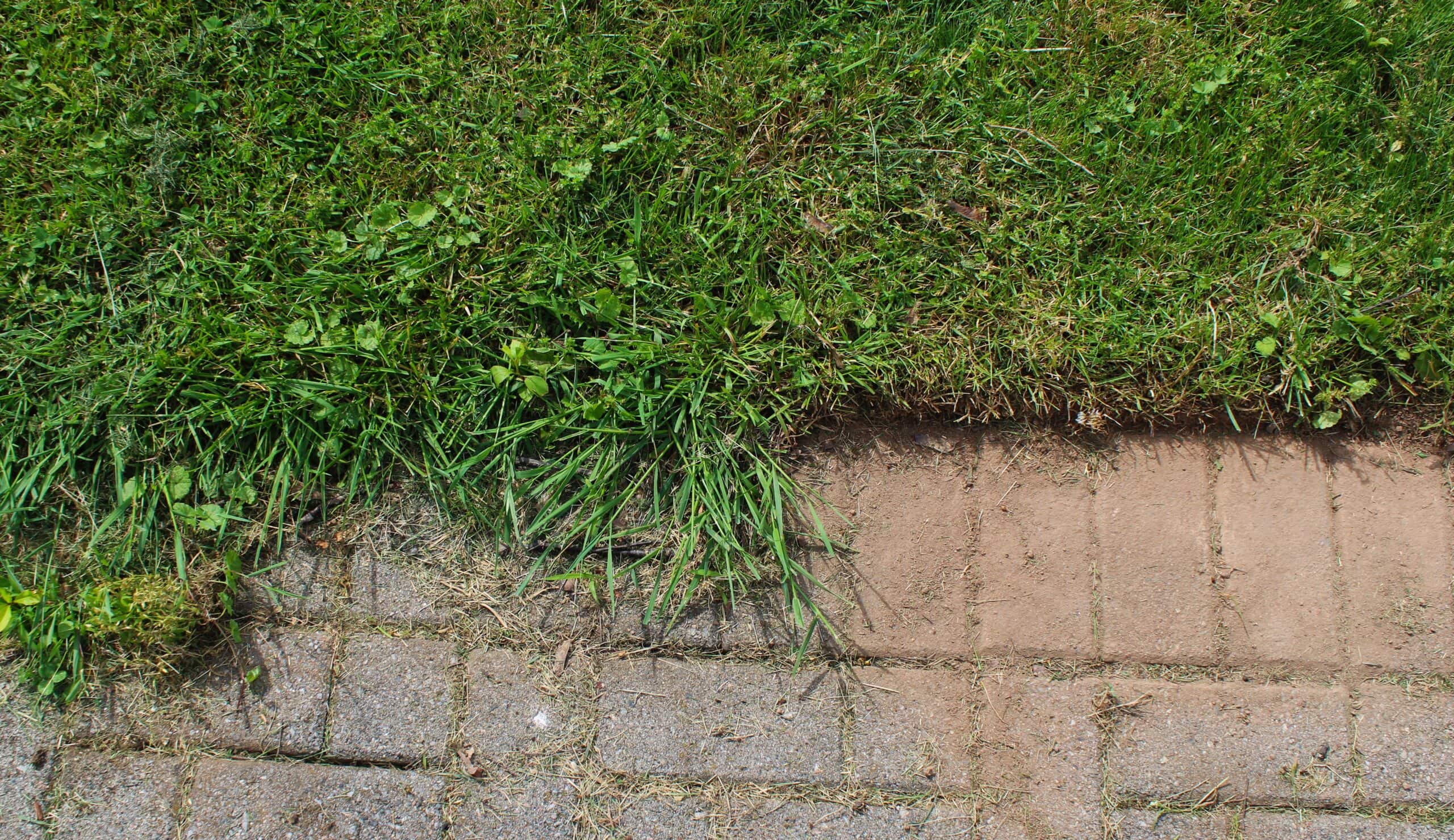
Settlement and shifting affect retaining walls, walkways, and patio areas. Long Island’s soil conditions mean some settling is normal, but excessive movement indicates problems with the base preparation or drainage. You’ll see this as walls that lean, walkways that develop uneven sections, or pavers that sink in certain areas. These aren’t just cosmetic issues—they’re trip hazards that create liability.
Spalling—when brick surfaces flake or peel away—indicates moisture problems within the masonry. This often results from water entering through deteriorated mortar joints, then freezing and expanding inside the brick itself. Once spalling starts, affected bricks typically need replacement because the damage is progressive.
Efflorescence, those white deposits that appear on brick and concrete, signals water movement through your masonry. While efflorescence itself is mostly cosmetic, it’s telling you that water is getting where it shouldn’t. Identifying and fixing the source of that water infiltration prevents more serious damage down the road.
The best time to address commercial masonry repair is when you’re already planning landscape improvements. This integrated approach saves money, reduces disruption, and ensures that fixes to one system don’t create problems for the other.
Consider a common scenario: your property needs new plantings to refresh its appearance, and you’ve been putting off repairs to the retaining wall in that same area. Handling both projects together means one mobilization, one period of disruption, and the opportunity to coordinate drainage solutions that benefit both the masonry and the landscape. Your landscape contractor can ensure new plantings don’t direct water toward the repaired masonry, and masonry repairs can include improvements that benefit landscape health.
This integration matters especially for properties where hardscaping and softscaping meet. Walkways bordered by planting beds, patios adjacent to lawn areas, and retaining walls with landscape above them all require careful coordination. When a landscaping design company handles both elements, you avoid the finger-pointing that happens when the masonry contractor blames the landscaper for drainage issues or vice versa.
Timing coordination also matters for your operations. Instead of disrupting your property twice—once for masonry work and again for landscape improvements—you’re managing one project period. For retail properties trying to minimize impact on customer access or office buildings coordinating around tenant needs, this consolidated approach makes life significantly easier.
The design benefits of integrated work shouldn’t be overlooked either. When the same team handles your masonry and landscape, they can ensure visual continuity. Materials complement each other. Colors coordinate. The hardscaping style matches your landscape design rather than looking like two separate projects that happen to occupy the same property.
Budget predictability improves when you’re working with one landscape contractor for integrated services. You’re not juggling multiple bids, trying to compare proposals that don’t quite align, or discovering that the masonry work you approved will require landscape changes that weren’t in the original landscape bid. Comprehensive proposals that address both systems give you accurate project costs upfront.
The landscape contractor you choose becomes a long-term partner in maintaining your property’s value and appearance. This isn’t a one-time transaction—it’s an ongoing relationship that affects your property every week. That makes the selection process worth getting right.
Look for contractors with specific commercial experience in Nassau County and Suffolk County. Long Island’s climate, soil conditions, and local codes create unique requirements. A landscaping design company that’s worked extensively in your area understands which plants thrive, how to build hardscaping that survives freeze-thaw cycles, and what local inspectors expect. That knowledge prevents expensive mistakes and ensures installations that last.
Comprehensive service offerings matter more than you might initially think. Working with a landscape commercial contractor who handles design, installation, masonry repair, and ongoing maintenance eliminates coordination headaches. You’re not managing multiple relationships or dealing with contractors who blame each other when problems arise. One point of contact, one company responsible for results—that simplicity has real value for busy property managers.
Ask about workforce standards. Background-checked and drug-tested crews aren’t just nice-to-have features for commercial properties—they’re essential for protecting your tenants, customers, and liability exposure. Companies that invest in proper workforce screening signal their commitment to professionalism and accountability.
Communication systems separate professional operations from casual contractors. How does the company handle service requests? What’s their response time for issues? How do they keep you informed about scheduled work and unexpected problems? These operational details determine whether your landscape contractor makes your life easier or becomes another source of frustration.
For business property landscaping NY, you need partners who understand that your exterior is part of your business operations, not just a nice-to-have amenity. When you find a landscape contractor who gets that distinction, you’ve found someone worth building a long-term relationship with. We’ve served commercial properties across Nassau County and Suffolk County for over two decades, bringing that understanding to every project and maintenance visit.
Article details:
Share:
Continue learning: