Your walkway does more than connect point A to point B—it protects your family from injuries and your foundation from water damage when installed correctly.
Share:
Summary:
You’ve probably walked past a dozen cracked, uneven walkways this week without thinking twice. But the moment you catch your toe on a lifted slab or watch water pool against someone’s foundation, you realize those “cosmetic” issues are actually safety and structural problems waiting to happen. If your own walkway is showing signs of age—cracks spreading, sections settling, or water heading the wrong direction—you’re right to wonder whether it’s time to fix it or start over. The difference between a walkway that lasts five years and one that lasts fifty comes down to how it’s built, not just what it looks like. Let’s talk about what actually matters when you’re hiring concrete walkway contractors in Suffolk County, Nassau County, or anywhere across Long Island.
Safety isn’t abstract when it comes to walkways. The Americans with Disabilities Act defines a trip hazard as any vertical change of a quarter inch or more between concrete slabs. That’s not much—barely the thickness of two quarters stacked together. But it’s enough to catch a foot, especially in low light or when someone’s carrying groceries.
More than 8 million people visited emergency rooms for fall-related injuries in 2019. A significant portion of those falls happened on uneven outdoor surfaces like walkways, driveways, and steps. Older adults and anyone with mobility challenges face even higher risk, but trip hazards don’t discriminate. Kids running, delivery drivers in a hurry, guests unfamiliar with your property—they’re all vulnerable when your walkway isn’t level.
The problem isn’t always obvious from a distance. Walkways settle gradually as soil shifts beneath them. Freeze-thaw cycles in Long Island winters make it worse—water seeps under slabs, freezes, expands, and pushes concrete upward or causes it to sink when it thaws. Tree roots grow and heave sections up. Poor drainage erodes the base material. Before you know it, you’ve got lips between slabs and cracks wide enough to trip over.

Grading is one of those things nobody notices when it’s done right and everyone regrets when it’s done wrong. Your walkway should slope away from your house at a minimum of a quarter inch per foot. That might not sound like much, but over a 10-foot walkway, that’s 2.5 inches of drop—enough to keep rainwater moving away from your foundation instead of pooling against it.
Water is persistent. When it sits against your foundation, it finds cracks. It seeps into basements. It saturates the soil and creates hydrostatic pressure that can crack foundation walls over time. In Long Island’s climate, that water freezes in winter and expands, making small cracks bigger. The cost to repair foundation damage runs into the thousands. The cost to grade a walkway correctly during installation? A fraction of that.
But grading isn’t just about the walkway surface. We include proper base preparation—excavating deep enough (typically 8 to 10 inches on Long Island) to create a stable foundation that won’t shift or settle. The base materials matter too. Crushed stone compacts well and allows water to drain through rather than pooling underneath. Sand provides a level setting bed for pavers or concrete. Skip these steps or cut corners, and you’ll be dealing with settling, cracking, and drainage problems within a few years.
Long Island soil conditions make this even more critical. Coastal areas tend to have sandy soil that drains quickly but doesn’t provide much structural support. Inland areas often have clay-heavy soil that holds water and shifts during freeze-thaw cycles. We know the local conditions and adjust our approach based on what we’re working with. We don’t use the same installation method in Southampton that we’d use in Huntington because the soil behaves differently.
Drainage also ties into how the walkway connects to the rest of your property. Where does the water go once it leaves the walkway? If it just flows into a low spot in your yard, you’ve created a new problem. If it heads toward your neighbor’s property, you might have an angry neighbor. Professional walkway installation includes thinking through the entire drainage path—sometimes adding catch basins, French drains, or grading adjustments to nearby landscaping to manage water properly.
Concrete, pavers, brick, natural stone—they all create walkways, but they don’t all perform the same way in Long Island’s climate. The choice isn’t just about aesthetics, though that matters too. It’s about how the material handles freeze-thaw cycles, how it ages, and what happens when (not if) something goes wrong.
Poured concrete is the most common choice for walkways, and for good reason. It’s relatively affordable, durable when installed correctly, and creates a smooth, clean surface. But concrete has a fatal flaw: it cracks. Not might crack—it will crack. The question is when and how badly. Long Island winters accelerate this. Water gets into small cracks, freezes, expands, and turns hairline cracks into trip hazards. Once concrete cracks significantly, your options are limited. You can patch it, but patches rarely match and often fail within a few years. You can resurface it, but that only works if the underlying slab is still structurally sound. Or you can replace it entirely.
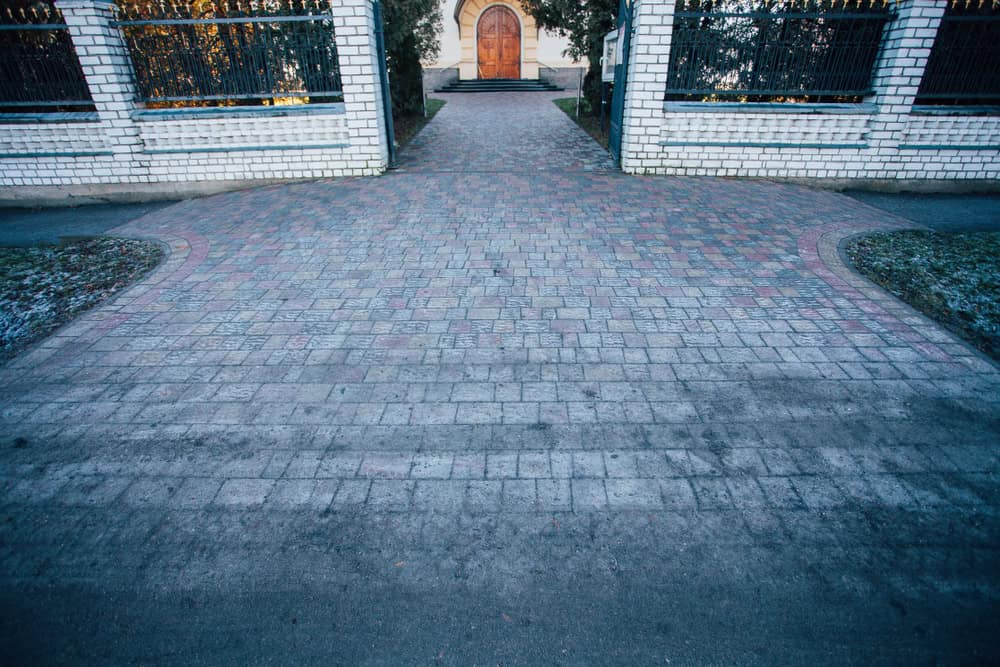
Pavers offer a different approach. Instead of one continuous slab, you’re working with individual units—concrete pavers, brick pavers, or natural stone. The joints between pavers allow for slight movement without cracking. When ground shifts or frost heaves one section, the pavers move with it instead of fracturing. If a single paver does crack or stain, you can replace just that one unit without disturbing the rest of the walkway. Try doing that with poured concrete.
Concrete pavers typically cost $2 to $5 per square foot for materials. Brick pavers run $4 to $8 per square foot. Natural stone starts around $10 and can exceed $20 per square foot depending on the type. But material cost is only part of the equation. Installation matters just as much. A poorly installed paver walkway will settle, shift, and develop uneven surfaces just like bad concrete. The base preparation, edge restraints, and joint sand all play critical roles in long-term performance.
Natural stone brings a premium look—bluestone, flagstone, granite, travertine. These materials age beautifully and handle freeze-thaw cycles well. But they’re heavy, require skilled installation, and cost significantly more than other options. They make sense when aesthetics are a priority and budget allows, especially for front entry walkways where curb appeal matters most.
The material conversation also includes what goes between and around the walking surface. Polymeric sand between pavers locks them together and prevents weed growth. Edge restraints—plastic, aluminum, or concrete—keep pavers from shifting outward over time. These details separate professional masonry services from DIY attempts or bargain installations that look fine for a year or two before problems start.
Climate matters more than most people realize. Long Island isn’t Arizona or Florida. Freeze-thaw cycles happen dozens of times each winter. Salt from snow removal accelerates concrete deterioration. Coastal areas deal with salt air and moisture. Materials and installation methods that work perfectly in other climates can fail here within a few seasons. That’s why working with concrete walkway contractors who understand local conditions isn’t just a nice-to-have—it’s essential for getting a walkway that actually lasts.
There’s a reason professional walkway installation costs more than having someone pour concrete or lay pavers without proper preparation. The walking surface is the last step, not the first one. Everything that happens before you see finished pavers or smooth concrete determines whether your walkway will still look good and function properly in 10, 20, or 50 years.
Site evaluation comes first. We assess the existing conditions—soil type, drainage patterns, slope, proximity to trees, and how the walkway will connect to driveways, steps, or other hardscaping. We identify potential problems before digging starts. Is there a tree whose roots will eventually heave the walkway? Is the soil mostly sand, clay, or something in between? Where does water currently flow during heavy rain? These aren’t guesses—they’re observations that inform every decision that follows.
Excavation depth matters more than most homeowners realize. On Long Island, proper base preparation typically requires excavating 8 to 10 inches below the finished walkway height. That’s deeper than many DIY installations and some budget contractors go. But that depth creates room for multiple layers of base material—crushed stone for stability and drainage, then sand for leveling. Each layer gets compacted with heavy equipment to prevent future settling. Skip the compaction or use inadequate base depth, and you’ll see settling within a few years as the ground shifts under normal freeze-thaw cycles.
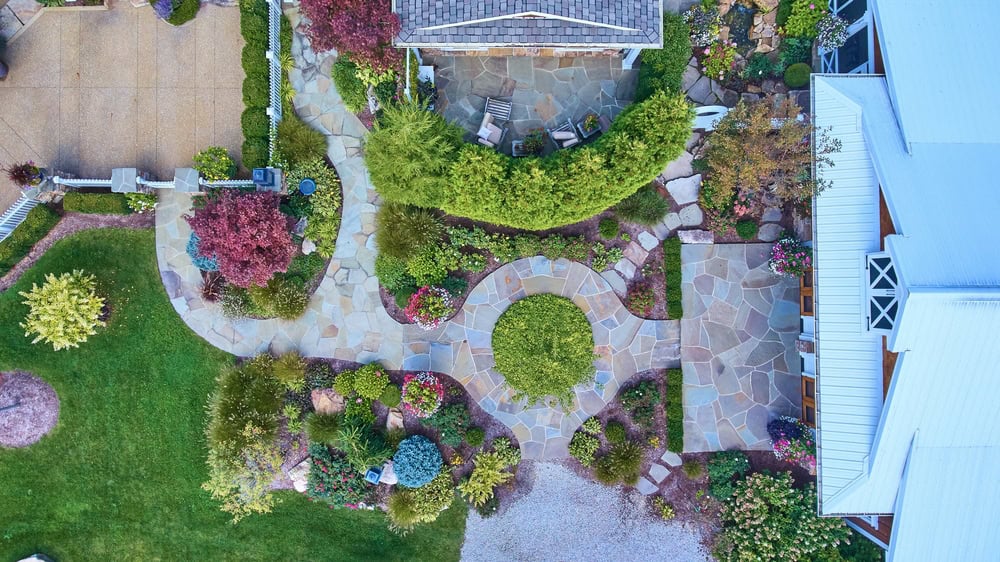
Understanding what happens during professional walkway installation helps you evaluate contractors and recognize quality work. The process isn’t complicated, but every step matters.
After site evaluation and planning, excavation removes existing materials and digs to the proper depth. This isn’t just scraping off grass—it’s removing enough soil to accommodate the full base structure. The excavated area should extend beyond the walkway edges to allow for proper edge restraints and to ensure the base material fully supports the walking surface.
Base installation comes next. Crushed stone (typically ¾-inch minus) goes in first, spread evenly and compacted in layers. Each layer should be 2 to 4 inches thick before compaction. A plate compactor—heavy equipment that vibrates to compress the stone—runs over each layer multiple times. Proper compaction is critical. Loose base material will settle under the weight of the walkway and normal use, creating the exact uneven surfaces you’re trying to avoid.
Grading happens during base installation. We establish the correct slope—minimum ¼ inch per foot away from structures. This isn’t eyeballed. We use string lines, levels, and sometimes laser levels to ensure consistent slope across the entire walkway. Water needs to flow off the walkway, not pool on it or run toward your foundation.
Sand leveling creates the final bed for pavers or serves as the base for poured concrete. For paver installations, a 1-inch layer of coarse sand gets screeded perfectly level. This is where precision matters—any high or low spots will show in the finished walkway. For concrete, forms get set to the correct height and slope before pouring.
The walking surface installation varies by material. Poured concrete gets mixed to the right consistency, poured into forms, screeded level, and finished with the desired texture. Timing matters—finishing too early or too late affects the surface quality. Pavers get set into the sand bed in the chosen pattern, cut as needed to fit edges and curves, then compacted into place. A final layer of polymeric sand gets swept into the joints and activated with water to lock everything together.
Edge restraints go in along all walkway edges. These prevent pavers from shifting outward over time. For concrete, the forms stay in place until the concrete cures, then get removed. The edges might get backfilled with soil or mulch to blend with the surrounding landscape.
Cleanup and final inspection wrap up the job. We remove all debris, restore any disturbed landscaping, and walk through the finished walkway with you to ensure everything meets expectations. We explain any maintenance requirements—sealing concrete, refreshing joint sand, or seasonal care to extend the walkway’s life.
The timeline varies by project size and complexity, but most residential walkway installations take 2 to 4 days. Day one typically involves excavation and base preparation. Day two covers sand leveling and walkway installation. Days three and four handle finishing touches, cleanup, and allowing materials to cure or settle as needed. Weather affects timing—rain delays are common because you can’t properly compact wet base material or pour concrete in the rain.
Most walkway problems trace back to installation shortcuts or mistakes during the initial construction. Knowing what goes wrong helps you avoid contractors who cut corners and recognize warning signs in your existing walkway.
Inadequate base preparation is the most common failure point. Skipping excavation depth, using insufficient base material, or failing to compact properly all lead to settling. The walkway might look fine initially, but within a year or two, you’ll see low spots, cracks, or sections that have dropped compared to adjacent areas. Once settling starts, it typically gets worse over time as water infiltrates the voids under the walkway and further erodes the base.
Poor drainage planning creates multiple problems. Walkways that slope toward the house instead of away from it direct water exactly where you don’t want it. Flat walkways with no slope at all let water pool on the surface, accelerating freeze-thaw damage and creating slippery conditions. Ignoring where water goes after it leaves the walkway can cause erosion, soggy lawn areas, or drainage problems that affect neighboring properties.
Using the wrong materials for Long Island’s climate sets up future problems. Concrete that’s too thin (less than 4 inches) cracks easily. Pavers without proper edge restraints shift outward, creating gaps and uneven surfaces. Skipping polymeric sand between pavers allows weeds to grow and pavers to move independently. Using materials not rated for freeze-thaw cycles leads to spalling, cracking, and deterioration within a few winters.
Ignoring tree roots is a mistake that catches up with you eventually. That oak tree 10 feet from your walkway might not be a problem today, but tree roots grow. As they spread and thicken, they’ll heave your walkway upward, creating trip hazards and cracking concrete. We account for tree locations during planning and either route the walkway to avoid future root conflicts or install root barriers to redirect growth.
Rushing the process leads to quality issues. Concrete needs time to cure properly—at least 24 to 48 hours before walking on it, longer for full strength. Pavers need proper compaction and joint sand application. Base materials need adequate compaction time. Contractors who rush through installations to move on to the next job often leave behind work that fails prematurely.
DIY installations often fail not because homeowners lack good intentions, but because they lack the right equipment, experience, and understanding of what matters most. Renting a plate compactor doesn’t mean you know how to properly compact base material. Buying pavers doesn’t mean you understand how to grade for drainage or install edge restraints correctly. The money saved on labor often gets spent fixing problems within a few years—and sometimes the fixes cost more than hiring professionals from the start would have.
Cheap contractor bids should raise red flags. If one quote is significantly lower than others, ask why. Are they planning to cut excavation depth? Skip proper base material? Use lower-quality materials? Not pull necessary permits? The lowest bid isn’t always the best value when it means compromising on installation quality that determines how long your walkway lasts.
Your walkway does more work than you probably think about. It protects your family and guests from trip hazards. It directs water away from your foundation. It creates the first impression visitors have of your home. When it’s done right, you don’t worry about any of those things—it just works. When it’s done wrong, you’re dealing with safety concerns, drainage problems, and repair costs that add up quickly.
The difference comes down to proper grading, adequate base preparation, appropriate materials for Long Island’s climate, and installation by contractors who understand what actually matters. Not just what looks good in photos, but what performs well through dozens of freeze-thaw cycles, heavy rain, and daily use year after year.
If your existing walkway is showing signs of failure—cracks, settling, poor drainage, trip hazards—or you’re planning a new installation, the contractor you choose determines whether you’ll be satisfied for decades or frustrated within a few years. We bring over 20 years of experience serving Suffolk County, Nassau County, and Long Island with professional masonry services that focus on doing the work right the first time.
Article details:
Share:
Continue learning: