Wondering what actually happens when you hire a landscape contractor? Here's the real journey—from that first meeting to the moment you see your finished backyard.
Share:

Summary:
The first meeting sets the tone for everything that follows. We won’t show up with a pitch—we’ll show up with questions.
You’re not being interviewed. We’re trying to understand how you actually use your outdoor space, what frustrates you about it now, and what would make you excited to spend time there. Do your kids need a play area that won’t turn into a mud pit? Are you tired of neighbors seeing straight into your yard? Would you actually use that patio if it had proper shade?
This is also when reality meets budget. Long Island properties come with unique challenges—coastal salt exposure, freeze-thaw cycles that crack inferior materials, soil conditions that vary wildly even within Nassau County, NY. A contractor worth hiring will be honest about what your budget can accomplish and what it can’t. We’re not trying to upsell you; we’re trying to prevent the disappointment that comes from mismatched expectations.

After you’ve talked through your vision, the real work begins. Your property gets a thorough inspection that most homeowners never think about—but should.
Soil quality determines which plants will thrive and which will drain your wallet in replacement costs. The slope affects drainage, which affects whether your new patio becomes a puddle after every rainstorm. Sunlight patterns throughout the day dictate where you can actually grow that garden you’re picturing. And then there are the hidden obstacles: buried utility lines, tree roots that will buckle pavers in three years, easements that limit where you can build.
Professional backyard landscapers in Suffolk County, NY know what to look for because we’ve seen what happens when these factors get ignored. That “simple” retaining wall project becomes a drainage nightmare. Those beautiful plantings die within a season because nobody checked the soil pH. The patio cracks the first winter because the base wasn’t properly prepared for Long Island’s temperature swings.
This inspection phase protects you. It’s the difference between a landscape that looks good in renderings and one that actually functions in your specific yard, in this specific climate, for years to come.
You should expect your contractor to take notes, ask about your maintenance capacity, and flag any concerns early. If we’re suggesting changes to your original vision, it’s usually because we’re trying to save you from expensive problems down the road. A patio that’s slightly smaller but properly graded will serve you better than a larger one that pools water. Native plants that actually survive Long Island winters beat exotic varieties that look impressive for one season.
The best landscape contractors also consider your timeline. If you’re planning a graduation party in your backyard this June, we need to know now—not when you’re expecting the project to wrap up. Weather delays happen. Material deliveries get pushed. But realistic scheduling from the start prevents the frustration of unmet deadlines.
This evaluation phase typically includes photos, measurements, and sometimes soil testing. It might feel thorough to the point of excessive. That’s actually what you want. The contractors who rush through this stage are the ones who end up surprising you with change orders and unexpected costs later.
Now comes the part where your backyard starts to take shape—on paper first, then in your mind. Garden design and landscaping isn’t just about making things look pretty. It’s about creating spaces that work for how you actually live.
A quality landscaping design company will present you with options, not ultimatums. Maybe you wanted a full outdoor kitchen, but your budget gets you further with a well-designed grill station and fire pit. Perhaps that pool you’re imagining won’t fit without removing mature trees that provide crucial shade and privacy. These are the trade-offs that good design navigates.
You’ll see material samples. This matters more than you’d think. That paver looks completely different in your hand than it does covering 400 square feet of your yard. The stone you loved online might clash with your home’s exterior. Natural stone costs more than concrete pavers, but it also lasts longer and typically adds more to your property value. These aren’t just aesthetic choices—they’re investments that affect your home’s worth and your maintenance burden for years.
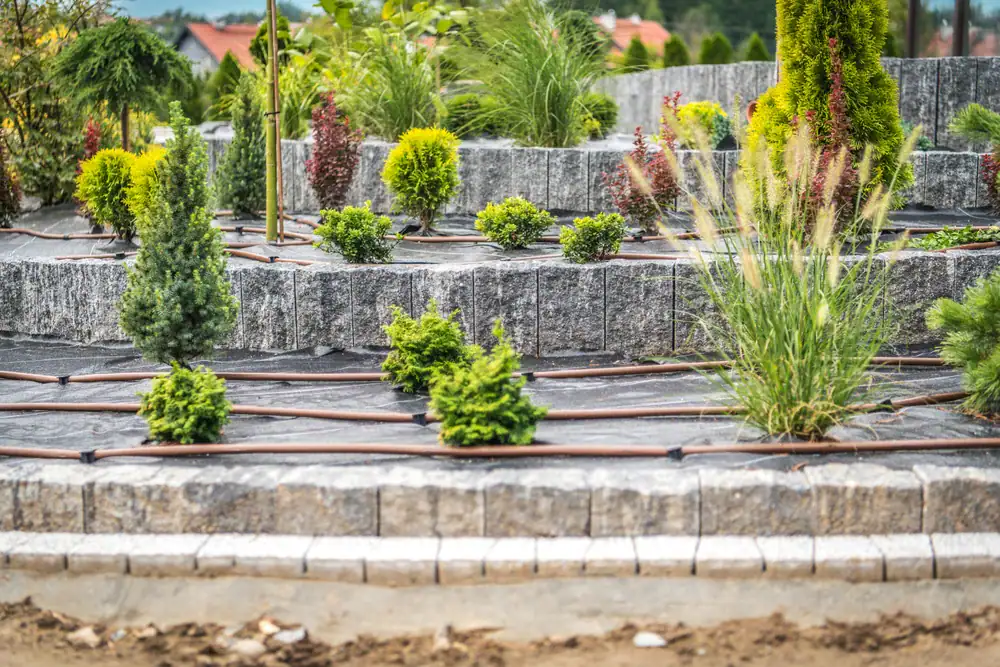
The design phase is also when you’ll discuss hardscaping versus softscaping balance. Hardscaping—patios, walkways, retaining walls—provides structure and reduces maintenance. Softscaping—plants, trees, garden beds—brings life and color but requires ongoing care. Where that balance lands depends on your lifestyle. If you travel frequently or work long hours, a design heavy on hardscaping with strategic, low-maintenance plantings makes sense. If you love gardening and have the time for it, your yard design can lean into more elaborate planting schemes.
For Suffolk County, NY properties specifically, your contractor should be addressing drainage. Long Island gets significant rainfall, and coastal properties face additional challenges from storm surge and high water tables. Proper grading, drainage systems, and material selection prevent the soggy yards and flooded patios that plague homeowners who skipped this step.
This is also your chance to ask about the installation timeline. Yard design projects don’t happen overnight. Excavation, base preparation, hardscape installation, planting—each phase takes time and depends on weather cooperation. A realistic timeline might feel longer than you hoped, but it’s better than a rushed job that fails within a few seasons.
Most landscape contractors will provide renderings or sketches at this stage. Some use 3D modeling software that lets you virtually walk through your future space. Others work with hand-drawn plans. The medium matters less than whether you can clearly visualize what you’re getting. If something’s unclear, speak up now. Changes on paper cost nothing. Changes during installation cost plenty.
Installation day arrives, and suddenly your yard looks worse before it looks better. That’s normal. Transforming outdoor space requires excavation, grading, and disruption. The key is knowing what to expect so you’re not panicking when heavy equipment shows up.
Professional landscape contractors will have discussed site access, equipment needs, and project duration during the planning phase. You should know where crews will park, which areas of your property will be off-limits, and approximately how long the disruption lasts. Good contractors also discuss cleanup expectations upfront—who’s responsible for what, and when your property will be returned to a finished state.
Communication during this phase separates great contractors from mediocre ones. You shouldn’t have to hunt anyone down for updates. Regular check-ins, even brief ones, keep you informed about progress, any unexpected issues, and timeline adjustments. Weather delays happen, especially in Nassau County, NY where nor’easters can shut down work for days. Material deliveries sometimes get pushed. The question isn’t whether complications arise—it’s how your contractor handles them and keeps you in the loop.
The build phase is where craftsmanship shows. Proper base preparation for hardscaping isn’t visible in the finished product, but it’s what determines whether your patio lasts five years or fifty. Correct planting depth and soil amendment affect whether your trees thrive or struggle. These details matter, and they’re where experienced landscape contractors separate themselves from cheaper alternatives.
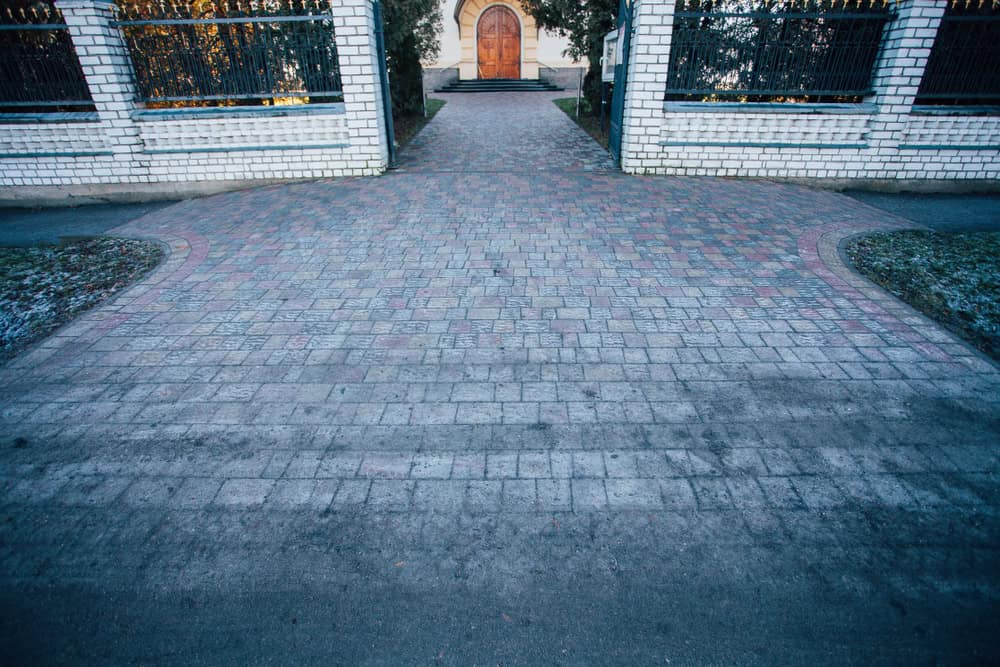
For hardscaping projects—patios, walkways, driveways—the base is everything. In Suffolk County, NY’s climate, inadequate base preparation means cracking, settling, and heaving during freeze-thaw cycles. Professional installation includes proper excavation depth, compacted base material in layers, edge restraints, and attention to drainage. You won’t see most of this work once the pavers or stone go down, but you’ll benefit from it every year the installation stays level and intact.
Planting requires similar attention to detail. Proper soil amendment, correct planting depth, adequate spacing for mature size, and initial watering schedules all affect long-term success. A landscape contractor who rushes through planting to finish the job faster is setting you up for replacements and disappointment. Plants installed correctly establish faster, resist disease better, and require less intervention to thrive.
This is also when you’ll see how a contractor handles their crew and your property. Are we protecting existing features you wanted to keep? Cleaning up debris daily rather than letting it accumulate? Respecting your home and your neighbors? These soft skills matter just as much as technical expertise, especially when crews are working in your space for days or weeks.
Quality landscape contractors also involve you at key decision points during installation. If we encounter unexpected rock that affects the plan, we discuss options before proceeding. If a plant arrives in poor condition, we source a replacement rather than installing subpar material. You’re paying for our expertise and our judgment—both should be evident throughout the build phase.
Experienced backyard landscapers understand Long Island’s unique conditions. We know which materials hold up to coastal salt air. We understand how to grade for proper drainage in areas with high water tables. We’ve installed enough projects to anticipate complications before they become expensive problems. That local knowledge—built over years of working in Suffolk and Nassau counties—is what you’re really paying for when you hire an established landscaping design company.
The day your landscape contractor calls the project complete should be satisfying, not stressful. You should see a space that matches the design you approved, with quality workmanship evident in every detail. But you also need to know what to look for and what questions to ask before signing off.
Walk the entire space with your contractor. Check that hardscaping is level, joints are consistent, and edges are clean. For plantings, verify that you’re getting the species and sizes specified in your contract. Trees and shrubs should be properly staked if needed, mulch should be at appropriate depth, and bed edges should be defined. This isn’t about being difficult—it’s about ensuring you’re getting what you paid for.
Ask about maintenance requirements specific to your installation. Different plants need different care, especially in their first season. Hardscaping may require sealing or specific cleaning methods. Irrigation systems need winterization in Long Island’s climate. Your contractor should provide clear guidance, preferably in writing, about what you need to do to protect your investment.
Discuss the warranty or guarantee. What’s covered, for how long, and under what conditions? Most reputable landscape contractors warranty their workmanship and offer some protection on plant material, typically tied to proper maintenance. Understanding these terms prevents disputes later if issues arise.
This is also when you should receive any relevant documentation—irrigation system layouts, lighting controls, plant lists with care instructions, and warranty information. Keep these materials accessible. You’ll reference them more than you expect, and they’re valuable for future contractors or if you sell your property.
Finally, ask about ongoing maintenance options. Some landscape contractors offer maintenance services; others focus purely on installation. Either way, understanding what your new landscape needs to thrive helps you plan for the time or budget required to keep it looking great. A beautiful yard design only stays beautiful with appropriate care, and different designs require different levels of ongoing attention.
The best landscape contractors don’t disappear after installation. We follow up to check on plant establishment, address any concerns, and ensure you’re satisfied with the result. That ongoing relationship—even if it’s just a check-in call a few weeks later—demonstrates our commitment to your success, not just our bottom line.
Working with a landscape contractor should feel like a partnership, not a gamble. When you understand the process—from that first consultation through final installation—you can evaluate contractors based on how we handle each phase, not just our price quote.
The right backyard landscapers for your Suffolk County, NY or Nassau County, NY property will demonstrate local expertise, communicate clearly, set realistic expectations, and deliver quality workmanship. We’ll protect you from expensive mistakes, guide you through decisions, and create an outdoor space that actually functions for your life.
Your backyard transformation doesn’t start with excavators and pallets of pavers. It starts with finding a landscape contractor who takes the time to understand your vision and has the experience to make it reality. DLZ Construction and Landscaping Inc. has been guiding Long Island homeowners through this exact journey for over two decades, combining technical expertise with the kind of straightforward communication that turns complex projects into satisfying results.
Article details:
Share:
Continue learning: