Creating a luxury backyard means coordinating pool surrounds, masonry, and lighting into one cohesive design—not a patchwork of disconnected elements.
Share:
Summary:
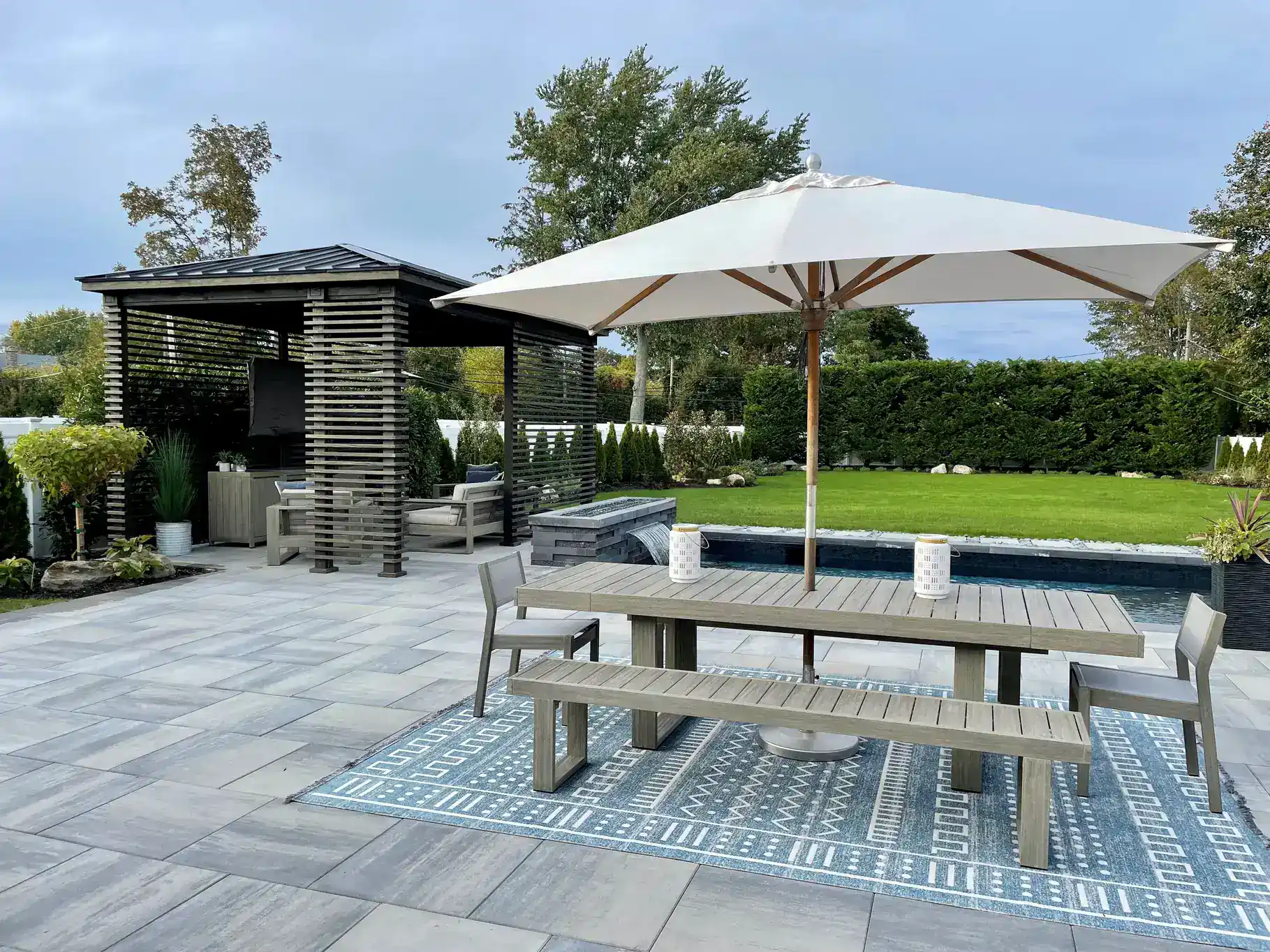
Walk through any luxury neighborhood in Old Westbury or Sands Point, and you’ll notice something. The homes that truly stand out have outdoor spaces where everything flows together. The pool area connects naturally to the patio. The masonry work complements the architecture. The lighting enhances rather than competes.
This cohesion doesn’t just look better. It protects your investment. When you hire separate contractors for your pool, patio, and lighting—each working independently—you’re gambling that their visions will align. They usually don’t. You end up with a pool company that installed coping in one stone, a mason who used different pavers for the patio, and an electrician who placed lights without considering the overall design. The result feels disjointed because it is.
Long Island’s climate makes coordination even more critical. Coastal humidity, salt air, and freeze-thaw cycles demand materials that work together structurally, not just aesthetically. Bluestone coping paired with travertine pavers might look stunning in a showroom, but if they expand and contract at different rates, you’ll see cracks and separation within a few seasons.

Pool coping is the cap that sits on top of your pool’s edge. It’s the transition point between water and deck. Get this wrong, and your entire backyard design suffers. Get it right, and it becomes the anchor that ties everything together.
The most common mistake? Treating pool coping as an afterthought. Homeowners focus on the pool itself—the shape, the depth, the equipment. Then, at the last minute, they pick coping based on what’s available or what the pool contractor happens to stock. By the time they’re ready to install the patio, that coping choice has already limited their options.
Smart backyard design works backward. You decide on your overall aesthetic first. Modern and minimal? Classic and traditional? Natural and organic? Once you know the style, you select materials that support it across all elements. If you’re going with bluestone for its cool, sophisticated look, you use it for both coping and patio pavers—or you choose complementary stones with similar tones and textures.
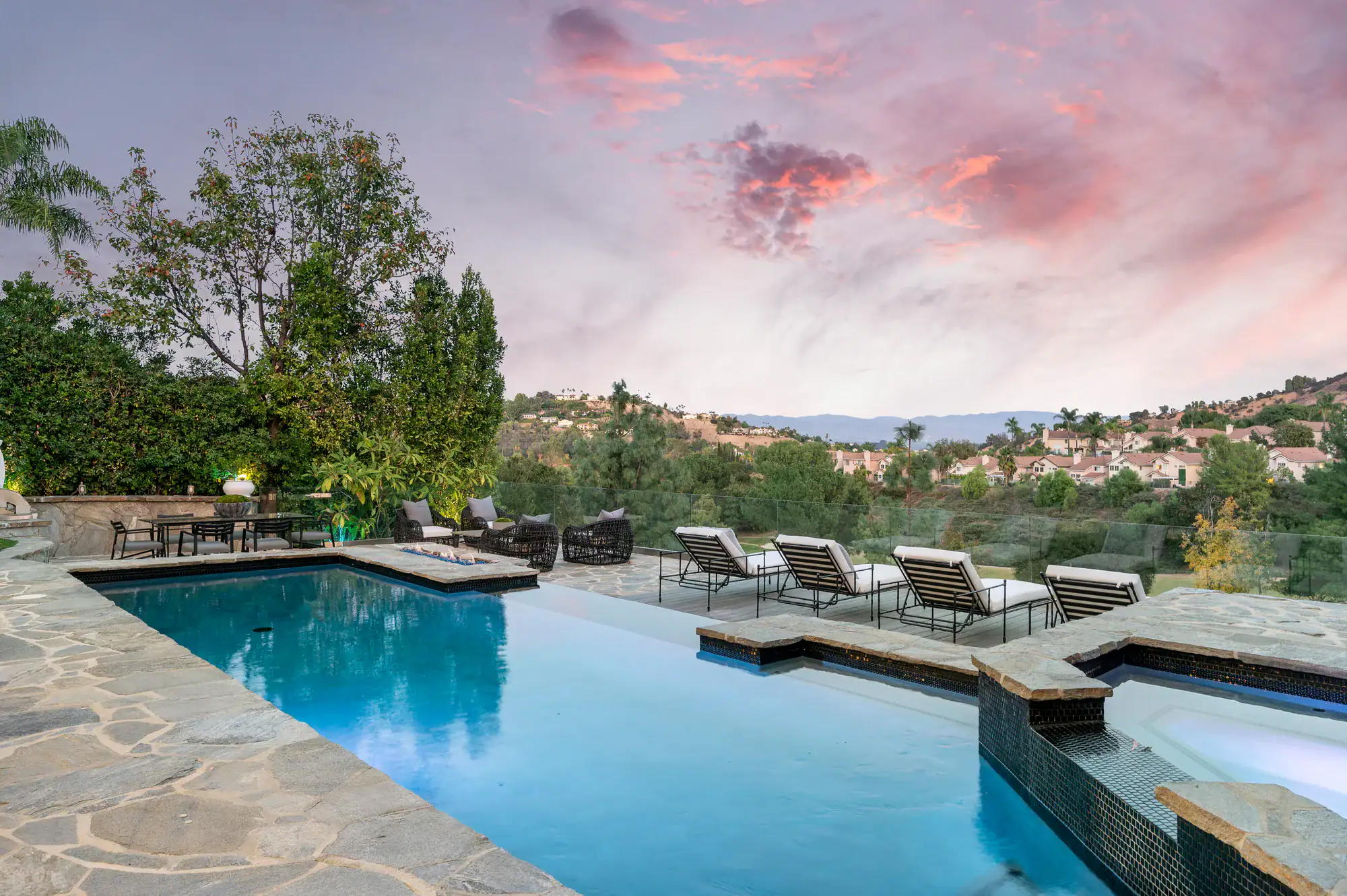
Matching your pool coping with your patio stone creates what designers call a seamless transition. Your eye doesn’t stop at the pool’s edge and restart at the deck. Instead, the space reads as one continuous area. This makes your backyard feel larger and more intentional. It’s the same principle luxury hotels use in their pool areas. Everything flows.
But matching doesn’t mean identical. Sometimes contrast works better. A pool with natural-edge stone coping can pair beautifully with smooth, geometric pavers on the deck—as long as the colors coordinate and the transition feels deliberate. The key is making a choice, not letting different contractors make choices for you.
Material selection matters beyond aesthetics. Travertine stays cool underfoot, making it ideal for pool decks in full sun. Bluestone resists salt exposure, perfect for Long Island’s coastal properties. Pavers offer flexibility for curved pool shapes. Each material has strengths, and your pool surround should leverage them. A good design considers how you’ll actually use the space—barefoot traffic, furniture placement, water splash zones—and selects materials accordingly.
Pool coping isn’t one-size-fits-all. The edge profile you choose affects safety, style, and how water drains off your pool. Nassau County estates typically use one of four coping styles, each with distinct advantages.
Bullnose coping features a rounded edge. It’s the most traditional option and the safest for families. That rounded profile prevents sharp corners where kids might bump their heads or scrape their knees. Water runs off smoothly without pooling. The soft edge also feels more comfortable when you’re sitting on the pool’s edge. If your home has classic architecture—colonial, Tudor, Mediterranean—bullnose coping reinforces that traditional aesthetic.
Flat-mount coping sits flush with the pool’s edge, creating a sleek, modern look. This style works beautifully with contemporary homes that emphasize clean lines and minimal ornamentation. The challenge with flat-mount is water management. Without a rounded edge to direct water away, you need excellent drainage in your pool deck. Done right, flat-mount coping makes your pool appear to blend seamlessly into the surrounding patio. Done wrong, you get standing water and slippery surfaces.
Cantilevered coping extends slightly over the pool’s edge. This creates a shadow line that defines the pool’s boundary while maintaining a clean, uninterrupted look. It’s popular in high-end pool designs because it allows the coping and deck to appear as one continuous surface. The overhang also helps keep the pool’s waterline clean by preventing deck debris from washing directly into the water. If you’re aiming for that resort-style aesthetic, cantilevered coping delivers.
Natural-edge coping highlights the organic shape and texture of stone. Each piece is unique, creating a custom look that feels less formal and more integrated with the landscape. This style pairs well with properties that emphasize natural materials and lush plantings. The irregular edges add visual interest, but they also require more maintenance to keep clean. Natural-edge coping works best when your overall backyard design leans toward the organic rather than the geometric.
Your choice should match both your home’s architecture and how you use your pool. Families with young children prioritize safety, making bullnose a smart default. Homeowners who entertain frequently might prefer the sophisticated look of cantilevered coping. The goal is making an informed decision that serves both form and function, not just accepting whatever the pool contractor suggests.
Lighting is where most backyard designs fall apart. Homeowners spend months selecting the perfect stone for their pool coping and patio. They agonize over furniture placement and plant selections. Then they call an electrician who installs standard fixtures in standard locations, completely ignoring the design work that came before.
Landscape lighting should enhance what you’ve already created, not compete with it. When integrated properly, lighting highlights your pool’s shape, emphasizes your masonry work, and creates depth in your outdoor space. It transforms your backyard from something you enjoy during the day to something you can actually use after sunset.
The difference between functional lighting and design lighting is intentionality. Functional lighting asks, “Can I see?” Design lighting asks, “What do I want to see?” Those are different questions with different answers.

Strategic lighting placement starts with understanding how you move through your space. You need safe passage from your home to the pool, around the pool deck, and back inside. But safety lighting doesn’t have to be boring. Path lights along walkways can double as design elements when you choose fixtures that complement your masonry work.
Uplighting works beautifully around pool areas. Fixtures placed at the base of columns, walls, or plantings cast light upward, creating drama and depth. This technique is particularly effective with natural stone masonry. The light catches the texture and variation in the stone, making it a focal point even at night. If you’ve invested in quality stonework, uplighting ensures people actually notice it after dark.
Pool coping itself offers lighting opportunities. LED strips installed beneath the coping create a soft glow that defines the pool’s edge without harsh spotlights. This is both practical and atmospheric. Swimmers can clearly see the pool’s boundary, while the gentle light adds ambiance for evening gatherings. The key is keeping the light source hidden. You want to see the effect, not the fixture.
Patio areas benefit from layered lighting. Overhead string lights or lanterns provide ambient light for dining and conversation. Lower-level fixtures—installed in walls, steps, or planters—add dimension without glare. The combination creates a comfortable environment where you can see faces clearly without feeling like you’re sitting under stadium lights. This is where many DIY lighting projects fail. People install too much light in the wrong places, creating harsh shadows and uncomfortable brightness.
Water features demand special attention. A waterfall or fountain becomes a dramatic focal point when properly lit from below or behind. The moving water catches and reflects light, creating movement and interest. But the fixture placement is critical. Light should enhance the water’s natural beauty, not turn it into a glowing beacon that overwhelms everything else. Subtle, directional lighting works better than broad floodlights.
Don’t forget about your home’s architecture. Lights that graze your exterior walls create a backdrop for your outdoor space. This connects your backyard design to your home rather than making it feel like a separate area. The lighting should guide the eye naturally from house to patio to pool, creating a visual flow that mirrors the physical layout.
The fixtures you select matter as much as where you place them. Brass, stainless steel, and heavy-duty aluminum fixtures last longer and look better over time, especially in Long Island’s coastal climate. Cheap plastic fixtures fade and crack within a few seasons, requiring replacement and disrupting your carefully planned design.
Color temperature affects how your stone and masonry appear at night. Warm white light (2700K-3000K) enhances the natural tones in bluestone, travertine, and other warm-colored stones. It creates an inviting atmosphere that feels comfortable for evening gatherings. Cool white light (4000K+) can make the same stones look washed out and uninviting. Unless you’re going for a very modern, minimalist aesthetic, warm white is usually the better choice for outdoor spaces.
Fixture style should complement your overall design language. If your pool surround and patio feature clean, contemporary lines, choose lighting fixtures with similar geometry. Traditional estates with classic masonry work call for more ornate fixtures that match the architectural period. Mixing styles—modern lights with traditional stonework—creates visual confusion rather than intentional contrast.
Smart lighting systems give you control over your outdoor space. You can adjust brightness levels, set timers, and even change colors for different occasions. This flexibility is valuable, but don’t let technology drive your design. The lighting should serve the space, not become the space. The goal is enhancing your backyard’s natural beauty, not turning it into a light show.
Maintenance is part of the equation. Fixtures that require frequent bulb changes or complicated cleaning become burdens. LED technology has largely solved this problem, offering long-lasting, energy-efficient lighting that you can install and forget. But installation quality matters. Fixtures need proper sealing to prevent moisture intrusion, especially near pools where splashing is constant. Wiring should be buried at appropriate depths with proper conduit protection. These aren’t details you want to discover need fixing after your patio is installed.
The best lighting designs feel invisible during the day. Fixtures blend into the landscape or masonry work, not calling attention to themselves. Then, at night, they reveal your outdoor space in a new way. This requires coordination between your stone mason and your lighting installer—another reason why working with a single team that handles both masonry and lighting creates better results than hiring separate contractors.
Your backyard should feel like it was designed as a whole, not assembled from separate projects. That cohesion comes from coordinating pool surrounds, masonry work, and lighting before installation begins, not hoping everything works out after the fact.
The most successful luxury backyard designs share common elements. They use materials that complement each other structurally and aesthetically. They consider Long Island’s specific climate challenges. They prioritize how you’ll actually use the space, not just how it looks in photos. And they’re executed by teams who communicate throughout the process, ensuring every element supports the overall vision.
If you’re planning a backyard renovation or building new pool surrounds and patio areas, start with the end in mind. Define your style, select coordinating materials, and work with professionals who understand how these elements integrate. Your Nassau County estate deserves outdoor spaces that match the quality of your home—spaces where every detail works together to create something truly exceptional. We specialize in this type of comprehensive backyard design, bringing over 20 years of experience coordinating pool surrounds, masonry, and lighting into cohesive outdoor living spaces across Long Island.
Article details:
Share:
Continue learning: