Materials, Techniques & Process for Masonry Work

From crumbling mortar to new pool coping, here's what quality masonry work actually looks like — and what separates a job that lasts from one that doesn't.

Share:

Creating Beautiful and Functional Outdoor Living Spaces with Bricks, Stones, and Concrete Blocks

Masonry in landscaping is essential to designing and constructing an attractive and functional outdoor living space. Masonry is the art of building structures using bricks, stones, and concrete blocks. It is an ancient trade that has been used for centuries to create structures that are both functional and aesthetically pleasing.

Landscaping is the process of designing, planning, and creating attractive, functional, and sustainable outdoor living spaces. It involves the use of plants, water features, lighting, and other elements to create an outdoor environment that is both beautiful and practical.

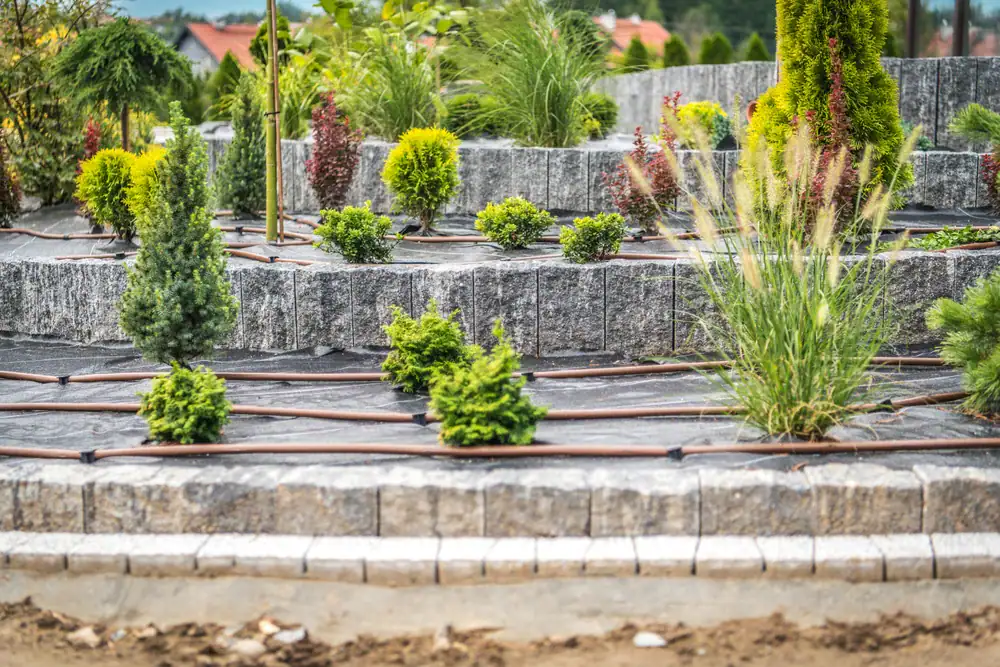
Masonry plays a crucial role in landscaping as it helps to create a solid and durable foundation for various outdoor living features such as patios, walkways, retaining walls, fireplaces, and water features. In this blog, we will explore the various ways masonry can be used in landscaping and the benefits it provides.

Patios

Patios are outdoor living spaces typically made of concrete or stone. They are a popular feature in landscaping as they provide a comfortable area for dining, entertaining, and relaxation. Masonry is an ideal material for creating patios as it is durable, low-maintenance, and can be customized to suit any design style.

Masonry patios can be made using a variety of materials such as bricks, stones, and concrete blocks. These materials can be arranged in different patterns and designs to create an attractive and attractive outdoor living space. Masonry patios are also resistant to weathering, erosion, and pests, which makes them a practical and long-lasting option.

Walkways

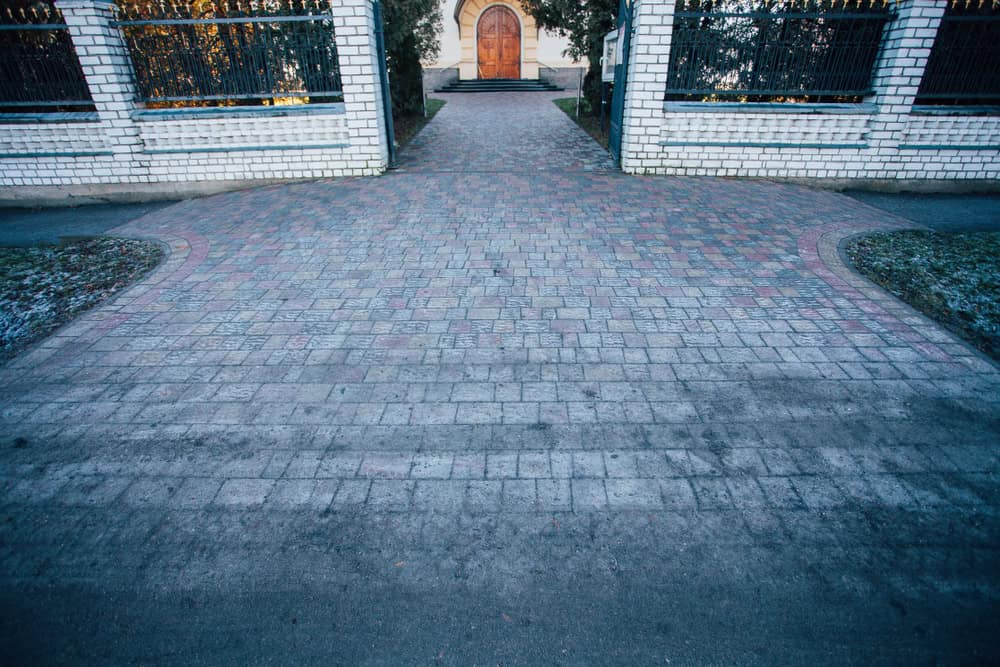
Walkways are paths that lead from one area of the outdoor living space to another. They are typically made of concrete, stone, or pavers and can complement the overall landscaping design. Masonry is an ideal material for creating walkways as it provides a solid and stable surface that can withstand heavy foot traffic and the elements.

Masonry walkways can be made using a variety of materials such as bricks, stones, and concrete blocks. These materials can be arranged in different patterns and designs to create an attractive and attractive walkway that complements the overall landscaping design. Masonry walkways are also low-maintenance and can be easily cleaned and repaired if necessary.
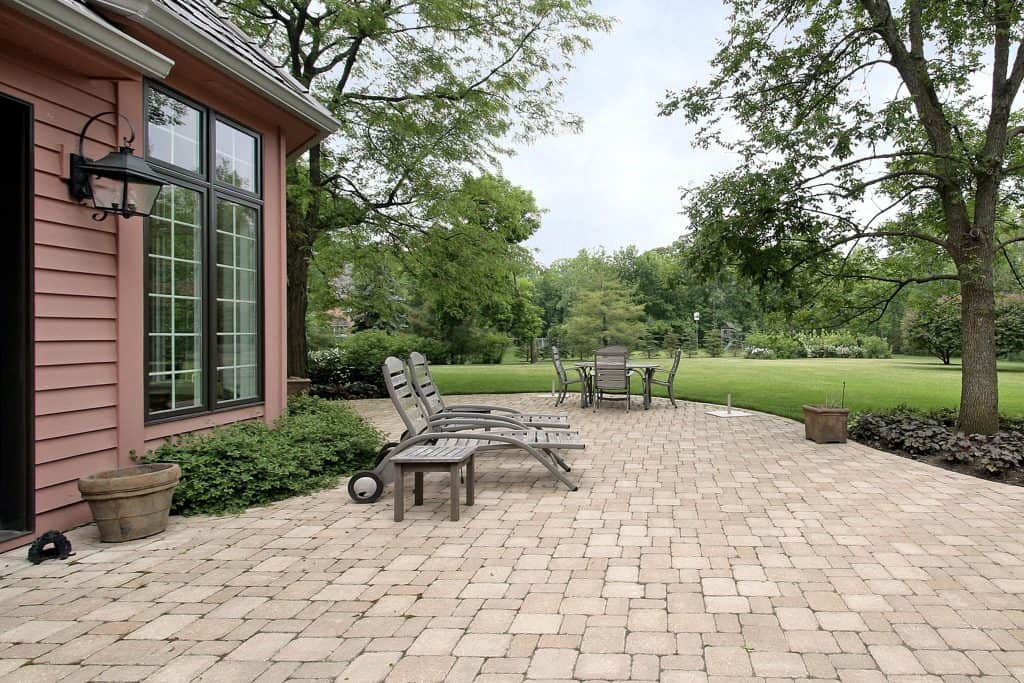
A spacious brick patio, expertly crafted by a masonry contractor Long Island, NY, features lounge chairs and a dining table set. It’s bordered by a red house and overlooks a large green lawn with trees in the background.

Retaining Walls

Retaining walls are structures designed to hold back soil and prevent erosion. They are a crucial feature in landscaping as they help maintain the integrity of the outdoor living space. Masonry is an ideal material for creating retaining walls as it is strong, durable, and can be customized to suit any design style.

Masonry retaining walls can be made using a variety of materials such as bricks, stones, and concrete blocks. These materials can be arranged in different patterns and designs to create an attractive and attractive foundation wall. This complements the overall landscaping design. Masonry retaining walls are also low-maintenance and durable, making them a practical and long-lasting option.

Fireplaces

Fireplaces are outdoor living features that provide warmth and cozy atmosphere for dining and entertaining. Masonry is an ideal material for creating fireplaces as it is heat-resistant and can be customized to suit any design style.

Masonry fireplaces can be made using a variety of materials such as bricks, stones, and concrete blocks. These materials can be arranged in different patterns and designs to create an elegant and attractive fireplace. This complements the overall landscaping design. Masonry fireplaces are also low-maintenance and durable, making them a practical and long-lasting option.

Summary:

Most homeowners don’t think about their masonry until something goes wrong — a crack that keeps spreading, a retaining wall that’s starting to lean, pool coping that’s chipping after just a few winters. This guide breaks down how masonry work is done correctly, what materials and techniques actually matter, and how to know when repair is enough versus when you need to start fresh. If you’re in Nassau County, there’s local context here that matters — from the freeze-thaw cycles that hit Long Island hard every winter to the permitting requirements that many contractors quietly skip. Read this before you call anyone.
Table of contents

If you’ve noticed cracking brickwork, deteriorating mortar joints, or a retaining wall that doesn’t quite look right anymore, you’re not imagining things — and you’re not alone. Nassau County’s older housing stock, combined with Long Island’s punishing winters, means masonry issues are one of the most common calls we get. This page is for homeowners who want to understand what’s actually involved in masonry work before committing to anything. We’ll walk through materials, techniques, what a proper process looks like, and the questions worth asking any contractor you’re considering — including us.

Masonry Restoration: What It Actually Involves

Masonry restoration isn’t just patching what’s visible. It’s diagnosing why the damage happened, addressing the root cause, and then repairing or rebuilding in a way that holds up long-term. A lot of homeowners get a quick fix that looks fine in May and starts failing by December — because the underlying issue was never addressed.

Good masonry restoration work covers everything from repointing deteriorated mortar joints to rebuilding sections of brick or stone that have shifted beyond repair. The scope depends on the material, the age of the structure, and how long the damage has been developing. In Nassau County, where many homes were built between the late 1940s and 1960s, a lot of that original masonry is now 60 to 80 years old — well past its first restoration window.

How Masonry Restoration Contractors Assess the Damage

Before any work starts, a qualified masonry restoration contractor should walk the entire area — not just the spot you pointed out. What looks like isolated cracking on a front stoop can be connected to a drainage issue, a settling foundation, or mortar that’s failed across a much wider section of the wall. Missing that context leads to repairs that don’t last.

The assessment should include a close look at the mortar joints, the condition of individual bricks or stones, any signs of water infiltration (efflorescence — the white chalky residue — is a common indicator), and whether the structure has shifted or is still moving. Horizontal cracks and stair-step patterns in brick typically signal something more serious than surface wear, and those situations may warrant a conversation with a structural engineer before any masonry work begins.

What separates a thorough assessment from a quick look-and-quote is the willingness to find problems that might complicate the job. Some contractors avoid this because it means more work, a harder conversation, or a higher estimate. But finding those issues upfront is exactly what prevents a homeowner from paying twice. We walk every job ourselves before we write a single number down — and we tell you what we find, even when it’s not what you were hoping to hear.

One thing worth knowing: mortar joints on a well-built masonry structure typically need attention every 20 to 30 years. If your home was built in the 1950s and hasn’t had any masonry work done, there’s a good chance it’s overdue. That doesn’t mean the whole thing needs to come down — it means a proper assessment will tell you what’s actually going on.

Brick Restoration vs. Full Brick Masonry Repair: Knowing the Difference

Brick restoration and brick masonry repair are related but not the same thing, and the distinction matters for your budget. Restoration typically refers to work that preserves and renews existing materials — cleaning, repointing, treating the surface — without replacing the brick itself. Repair involves replacing damaged or failed bricks, rebuilding sections, or addressing structural issues that go beyond the surface.

For Nassau County homeowners, the good news is that most brick issues don’t require full replacement. Repointing deteriorated mortar joints — removing the old, crumbling mortar and replacing it with fresh, properly mixed mortar — is one of the most cost-effective masonry services available. It typically runs $3 to $25 per square foot depending on the extent of the damage and the accessibility of the area. Catching it before it becomes a structural issue is almost always cheaper than waiting.

Where full repair becomes necessary is when bricks themselves are spalling (the face of the brick flaking or breaking off), when sections of a wall have shifted significantly, or when water has infiltrated behind the masonry and damaged the underlying structure. In coastal Nassau County communities like Long Beach, Atlantic Beach, and Oceanside, salt air exposure accelerates brick deterioration faster than in inland areas — so the timeline between “needs attention” and “needs replacement” can be shorter than homeowners expect.

Color-matching is a real consideration in brick repair work. Replacing a section of brick on a 1950s Cape Cod means sourcing material that blends with what’s already there — or the repair will stand out for decades. It’s a detail that separates contractors who think through the finished result from those who just fill the hole and move on.

Repointing and Tuckpointing: What Nassau County Homeowners Need to Know

These two terms get used interchangeably all the time, but they’re not the same — and the difference affects both the cost and the outcome. Repointing is the standard repair: remove the damaged mortar, clean the joint, and pack in fresh mortar that matches the original. Tuckpointing goes a step further, adding a thin contrasting line of putty to create a crisp, refined finish. It’s more labor-intensive and more expensive, but it’s also more visually polished.

For most structural repairs on Nassau County homes — a deteriorating chimney, a crumbling front stoop, a retaining wall with failing joints — repointing is the right call. Tuckpointing makes more sense when aesthetics are the priority, like on a restored historic facade or a high-visibility commercial building entrance.

What Tuckpointing Contractors Should Be Doing on a Long Island Job

The mortar type matters more than most homeowners realize. Using the wrong mix — particularly a Portland cement mortar that’s too hard for older, softer brick — can cause the brick face to spall and break apart over time. The mortar should give slightly before the brick does. Type N mortar is standard for most exterior brickwork because it offers workability and accommodates the natural movement of materials. Type S is used for applications that need more compressive strength, like retaining walls and foundations.

On a Long Island job, the freeze-thaw cycle is the main enemy. Nassau County typically sees 20 to 40 freeze-thaw cycles per winter — temperatures that drop below freezing overnight and climb back above during the day. Each cycle forces water in the joints to expand by roughly 9% as it freezes, physically widening cracks with every pass. Mortar that was already soft or improperly mixed doesn’t survive many of those cycles before it starts to fail visibly.

A tuckpointing contractor working in Nassau County should also be factoring in the season. Mortar should not be applied in temperatures below 40°F without specific cold-weather precautions. The optimal window for this kind of work is April through November, with early fall being a particularly smart time to address any issues before winter arrives. Homeowners who push repairs to spring are often paying more than they would have in October — because the winter made the problem worse.

One more thing worth knowing: if your chimney hasn’t been repointed in 15 to 20 years, it almost certainly needs attention. Chimney tuckpointing on Long Island typically runs $500 to $2,500 depending on the extent of the damage and the height involved. Catching it now is significantly cheaper than dealing with water infiltration into the firebox or the surrounding structure.

Brick Wall Repair Contractors and the Base Preparation Question

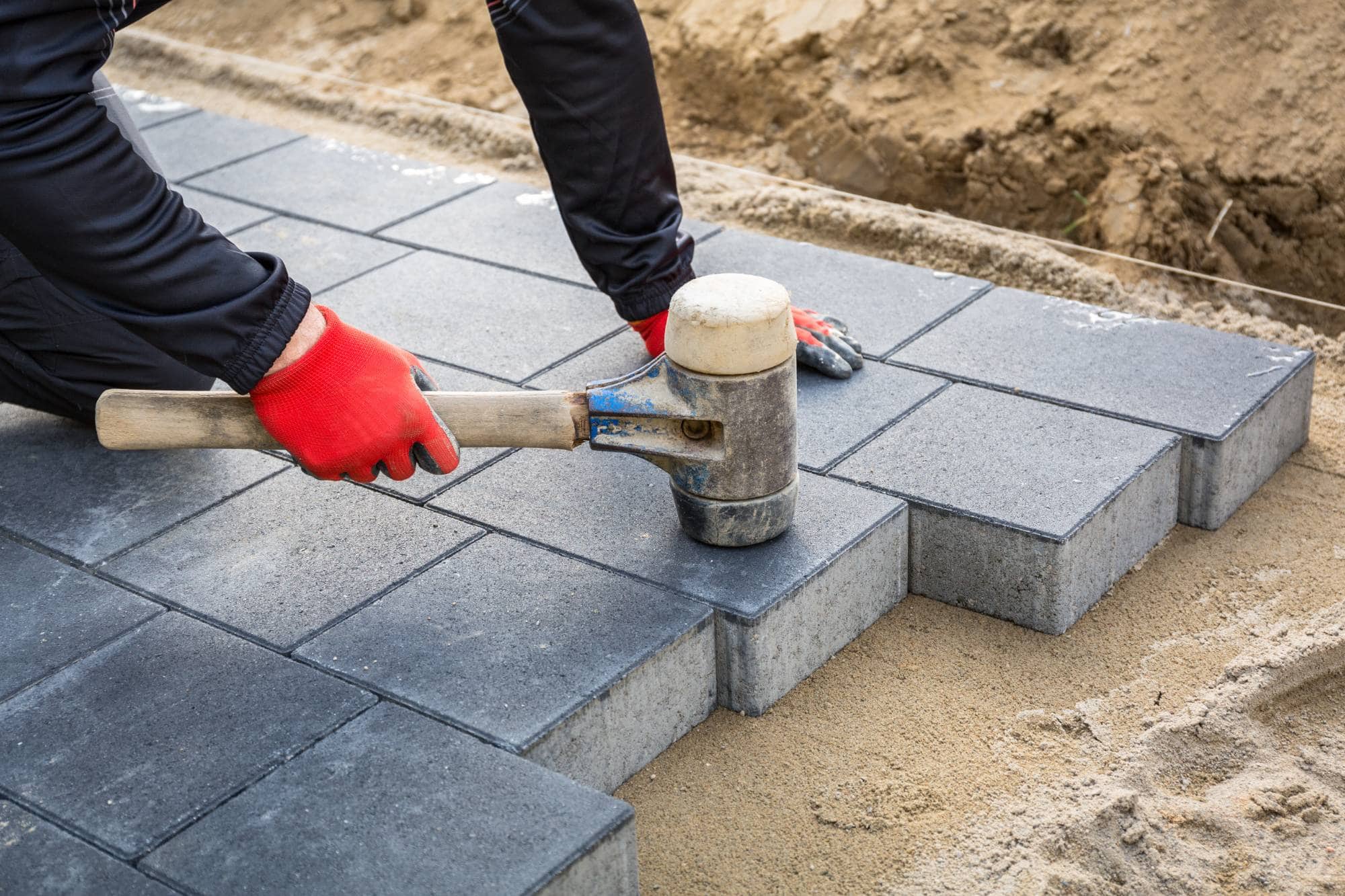
Here’s something that doesn’t get talked about enough: the most important part of most masonry work is what happens before you see anything. Base preparation — the compacted aggregate foundation beneath pavers, retaining walls, and other masonry structures — determines whether a finished project holds up for decades or starts shifting within a few years.

A lot of the callbacks and warranty disputes in this industry trace back to inadequate base work. A contractor who skips proper compaction or uses the wrong base depth to save time is setting up a failure that won’t be visible for 12 to 24 months. By then, they’re long gone and you’re looking at a repair bill that rivals the original project cost.

For retaining walls specifically, the stakes are higher. A wall that’s holding back a slope or managing drainage is doing real structural work. Brick wall repair contractors who treat a failing retaining wall as a surface issue — just rebuilding the face without addressing the base, the drainage, or the cause of the original failure — are setting the homeowner up for the same problem again. In Nassau County, where many properties have grade changes and older retaining walls built in the 1960s and 70s, this is a common situation.

When we assess a retaining wall job, we look at the drainage situation first. Water behind a wall is almost always the root cause of failure. If that isn’t addressed, any repair is temporary. We also look at whether the wall needs wall anchors — for bowing foundation walls, anchors typically run $400 to $900 each, with one needed roughly every five feet of wall. It’s not a small investment, but it’s the right one when the wall has moved significantly.

The broader point is that masonry construction services done correctly require a contractor who’s thinking about the whole system — not just the part you can see from the street.

Pool Coping and Decking: Masonry Work That Takes a Beating

Pool coping and decking is some of the most exposed masonry work on a property. It’s underwater half the year, exposed to direct sun and salt air (especially in coastal Nassau County), and it takes constant foot traffic. Brick for pool deck work needs to be selected carefully — not all brick is rated for pool use, and using the wrong material will have you replacing it every five to seven years.

We specify pool deck brick that’s rated for freeze-thaw exposure and has low water absorption. On Nassau County properties near the water, we also factor in salt spray damage. The mortar joints need to be sealed to prevent water infiltration, and the base preparation is critical because water underneath a pool deck will cause it to heave and crack faster than almost any other masonry application.

Pool coping specifically — the cap that sits on top of the pool wall — needs to be slip-resistant and durable enough to handle chlorine and constant moisture. We’ve replaced a lot of pool coping that was installed with the wrong material or without proper sealing. It’s not a cheap fix, and it’s entirely preventable with the right choices upfront.

Article details:

Share: