Small suburban yards don't limit your options. Discover how the right backyard garden designs and stone features transform Nassau County, NY and Suffolk County, NY properties into stunning outdoor spaces.
Share:
Summary:
Small yards don’t work the same way larger properties do. You can’t just shrink down a big-yard design and expect it to function. Every decision matters more when space is tight.
In a small backyard, one poorly placed feature can make the entire space feel cramped. A patio that’s too large eats up room for plantings. A walkway in the wrong spot cuts the yard in half visually. These aren’t just aesthetic issues—they affect how you actually use the space.
That’s why backyard garden designs for suburban Long Island properties need to be intentional from the start. You’re not just arranging plants and hardscaping. You’re creating zones, managing sightlines, and making deliberate choices about what stays and what goes. The goal isn’t to cram everything in. It’s to prioritize what matters most to you and design around that.

The first question most homeowners ask is how to make their yard feel bigger. The answer isn’t about knocking down fences or buying the neighbor’s property. It’s about using yard design techniques that change how your brain perceives the space.
Diagonal lines are one of the most effective tools for backyard garden designs in tight spaces. When you lay pavers or create garden beds on a diagonal instead of running them parallel to your fence line, you break the default rectangular feel of the yard. Your eye follows those angles, and suddenly the space doesn’t feel as boxy. The same principle works with curved edges. A gently curving pathway or garden bed creates the illusion of depth because you can’t see where it ends from every angle.
Light-colored stone and materials also play a role. Pavers, gravel, and natural stone in lighter tones reflect more light, which makes spaces feel more open. Dark materials absorb light and can make a small yard feel closed in. That doesn’t mean you can’t use darker stone as an accent, but if you’re covering a large patio or walkway, lighter options will serve you better.
Another trick is keeping edges clear. When you avoid barriers like built-in seating or thick rows of plantings along the perimeter, you maintain open sightlines. That openness translates to a feeling of more space. You want your eye to move freely across the yard, not get stopped by visual clutter.
Vertical elements help too. If you can’t expand outward, go up. Trellises, climbing plants, and vertical gardens add greenery and interest without eating up precious ground space. A wall covered in vines or a tall planter filled with layered plants draws the eye upward, which changes the proportions of the space.
These aren’t gimmicks. They’re design principles that we’ve used for decades in small-space garden design and landscaping, and they work because they’re based on how people actually experience outdoor spaces.
Stone isn’t just functional. It’s one of the most effective ways to add depth and character to small backyard garden designs without overwhelming the limited space. The key is understanding how different types of stone work in tight suburban yards.
Flagstone pathways create natural flow in yard design. Unlike concrete, which can feel heavy and monolithic in a small yard, flagstone has irregular edges and varied tones that make it feel organic. When you set flagstone with gaps for ground cover or gravel, you get texture and visual interest without adding bulk. The pathway becomes part of the landscape instead of dominating it.
Retaining walls serve double duty in garden design and landscaping. In a small yard, you often deal with grade changes or areas where soil tends to wash away. A low stone retaining wall solves that problem while also creating defined planting areas. The wall adds structure and can be used as informal seating if you build it at the right height. It’s not just holding back soil—it’s organizing the space.
Gravel beds work where lawn doesn’t. If you have shady corners or areas with poor drainage, trying to maintain grass there is a losing battle. A gravel bed with strategically placed stones and low-maintenance plantings turns that problem spot into a feature. River rock or pea gravel in natural tones blends with the landscape and requires almost no upkeep.
Accent boulders create focal points in backyard garden designs. One well-placed boulder surrounded by lower plantings draws the eye and gives the yard a sense of permanence. It’s a technique borrowed from Japanese garden design, and it works because it mimics how stone appears in nature. The boulder doesn’t need to be massive—even a medium-sized stone can anchor a corner of the yard and make the design feel more intentional.
Stone edging defines garden beds without fencing them in. A simple border of stacked stone or a single row of larger stones gives your planting areas clean lines. That definition makes the yard feel more organized, which translates to a sense of more space. Messy, undefined edges make small yards feel chaotic. Clean edges bring order.
The mistake people make with stone in small yards is using too much or choosing pieces that are too large for the scale. A massive boulder that works beautifully in a half-acre yard will overpower a 300-square-foot space. The stone should complement the yard, not compete with it. That’s where working with professionals who understand proportion and scale makes a difference.
A small yard can still be a place where you actually want to spend time. The difference between a yard that gets used and one that sits empty usually comes down to whether it has functional zones that work for your lifestyle.
Multi-use areas are essential when space is tight. Your patio might need to work as a dining area, a lounge space, and a spot for kids to play. That’s fine, as long as your yard design accounts for that flexibility. Movable furniture, built-in storage, and thoughtful placement of hardscaping all contribute to a space that adapts to different needs.
The goal isn’t to create separate rooms in your backyard. It’s to create areas that flow into each other while still feeling distinct. A change in materials—transitioning from pavers to gravel, for example—can signal a shift from one zone to another without requiring walls or fences.

Your patio is probably the most-used feature in your backyard, so getting it right matters. In a small yard, the patio often takes up a significant percentage of the total space, which means its size, shape, and material choices have outsized impact on your overall backyard garden designs.
Size is the first consideration. A patio that’s too small feels cramped and doesn’t serve its purpose. One that’s too large eats up space you might need for plantings or other features. The sweet spot depends on how you plan to use it. If you want to fit a dining table and chairs, you need at least 10×10 feet. If it’s more of a lounge area, you might get away with something smaller.
Shape affects how the patio integrates with the rest of the yard. A rectangular patio parallel to your house is the default choice, but it’s not always the best one for small backyard ideas NY homeowners should consider. An angled or curved patio can create more interesting sightlines and make the yard feel less predictable. That unpredictability tricks your brain into thinking there’s more to explore.
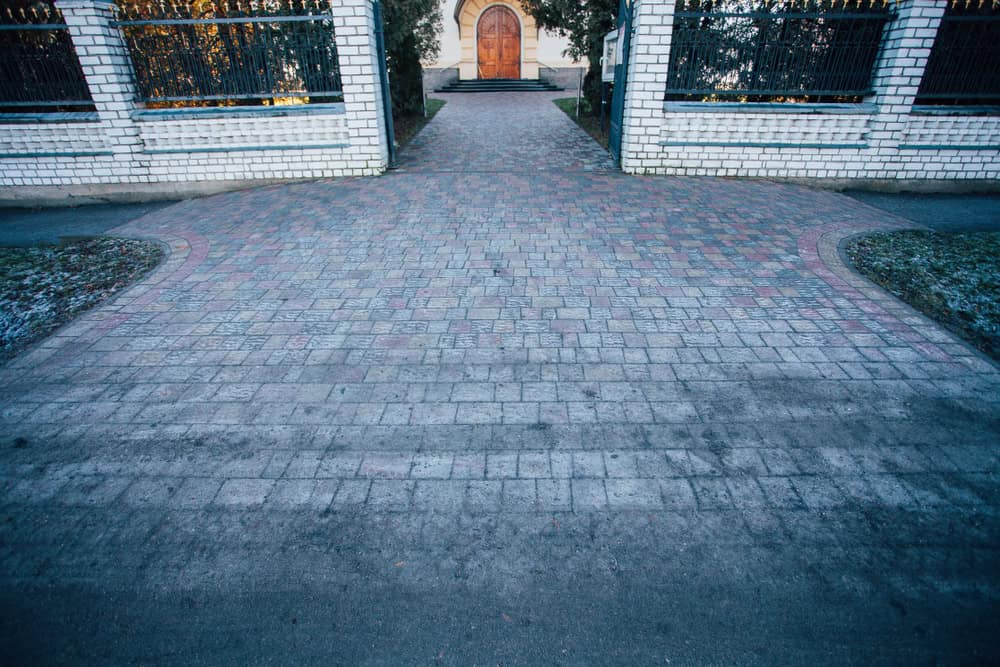
Material selection impacts both aesthetics and maintenance in your yard design. Concrete pavers are durable and come in a range of colors and textures. Natural stone like bluestone or travertine has a more upscale look but typically costs more. Brick offers a classic feel that works well with traditional homes. The material you choose should complement your home’s exterior and fit with the overall style you’re going for.
Proper installation is non-negotiable in Long Island’s climate. Freeze-thaw cycles will destroy a poorly installed patio. The base needs to be excavated to the right depth, filled with appropriate materials, and graded for drainage. Shortcuts in installation lead to settling, cracking, and water pooling—all problems that are expensive to fix later and common when homeowners skip working with professionals.
Integrating the patio with plantings softens the hardscape and makes it feel less stark. Low-growing plants along the edges, containers with seasonal color, or a border of ornamental grasses all help the patio blend into the landscape instead of sitting on top of it like an afterthought.
Plants bring life to backyard garden designs, but in a small space, you can’t just plant whatever you like and hope it works out. Scale, maintenance, and adaptability to local conditions all matter when creating effective garden design and landscaping in Nassau County, NY and Suffolk County, NY.
Native plants are your friend in Long Island yard design. The region’s sandy soil and coastal climate can be challenging, but native plants are adapted to these conditions. They require less water, fewer fertilizers, and generally less fuss than non-natives. Species like switchgrass, black-eyed Susans, and inkberry holly thrive here without constant attention.
Layering creates depth in small backyard garden designs. In a small yard, you want to use vertical space effectively. That means combining plants of different heights—groundcovers, mid-height perennials, and taller shrubs or small trees. This layering makes the planting beds feel fuller and more established, even when they’re relatively new.
Choosing the right trees matters more in a small yard than a large one. A tree that will eventually reach 40 feet tall and 30 feet wide doesn’t belong in a 500-square-foot backyard. Instead, look for smaller ornamental trees like Japanese maples, serviceberries, or crabapples. These provide the structure and shade of a tree without overwhelming the space as they mature.
Evergreens give you year-round structure in your yard design. Deciduous plants have their place, but in a small yard, you want some evergreen presence so the space doesn’t look bare in winter. Boxwoods, hollies, and dwarf conifers all work well in Long Island and provide consistent greenery throughout the year.
Maintenance level should match your lifestyle. If you’re not interested in deadheading, pruning, and constant upkeep, choose plants that don’t require it. Ornamental grasses, sedums, and many native perennials are low-maintenance options that still look great. High-maintenance plants like hybrid tea roses or plants that need frequent division might not be worth the effort in a small space where every plant needs to pull its weight.
Avoiding common mistakes saves time and money. Planting too close to hardscaping, choosing plants that will outgrow their space, or ignoring sun and shade requirements all lead to problems down the line. A plant that’s in the wrong spot will never thrive, no matter how much you fuss with it.
The goal is a planting scheme that looks intentional, requires reasonable maintenance, and works with Long Island’s specific growing conditions. That’s not something you figure out by trial and error—it comes from understanding what actually grows well here and how to combine plants in ways that make sense for small spaces.
A small backyard doesn’t have to be a limitation. With the right design approach, strategic use of stone and hardscaping, and smart planting choices, even the tightest suburban lot in Nassau County, NY or Suffolk County, NY can become a space you actually want to use. The difference between a yard that works and one that doesn’t usually comes down to thoughtful planning and understanding how backyard garden designs apply to limited square footage.
You’ve seen what’s possible—diagonal lines that expand visual space, stone accents that add depth, multi-functional patios, and native plantings that thrive without constant maintenance. These aren’t theoretical ideas. They’re solutions that work in real Long Island backyards facing real constraints.
If you’re ready to stop looking at your backyard as a problem and start seeing it as potential, we can help you make that happen. At DLZ Construction and Landscaping Inc., we bring over 20 years of experience in garden design and landscaping throughout Suffolk County, NY and Nassau County, NY, with the local knowledge and expertise to create yards that work with Long Island’s unique conditions.
Article details:
Share:
Continue learning: