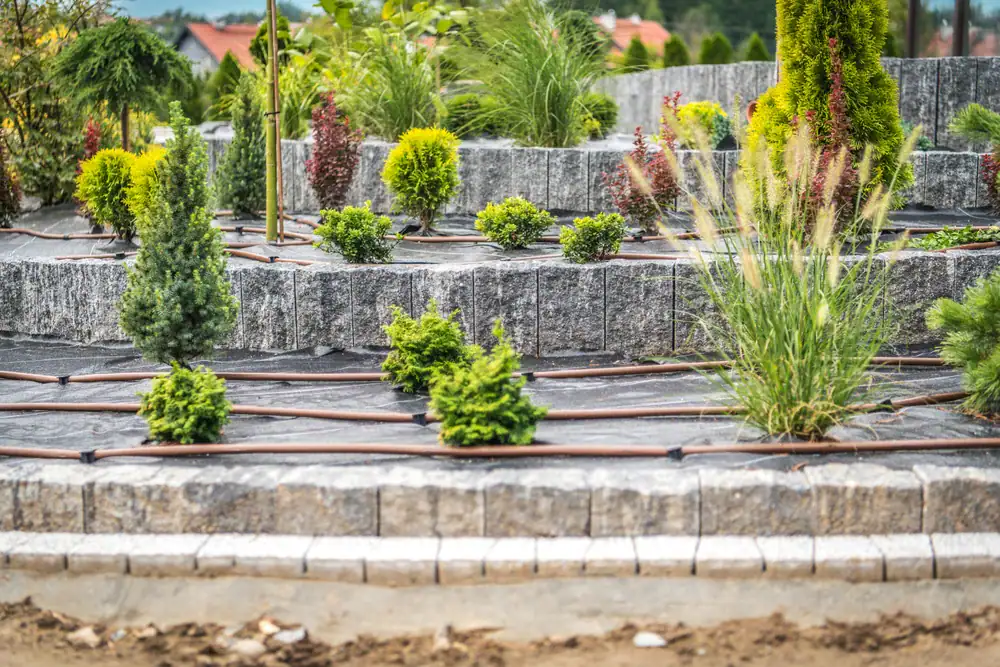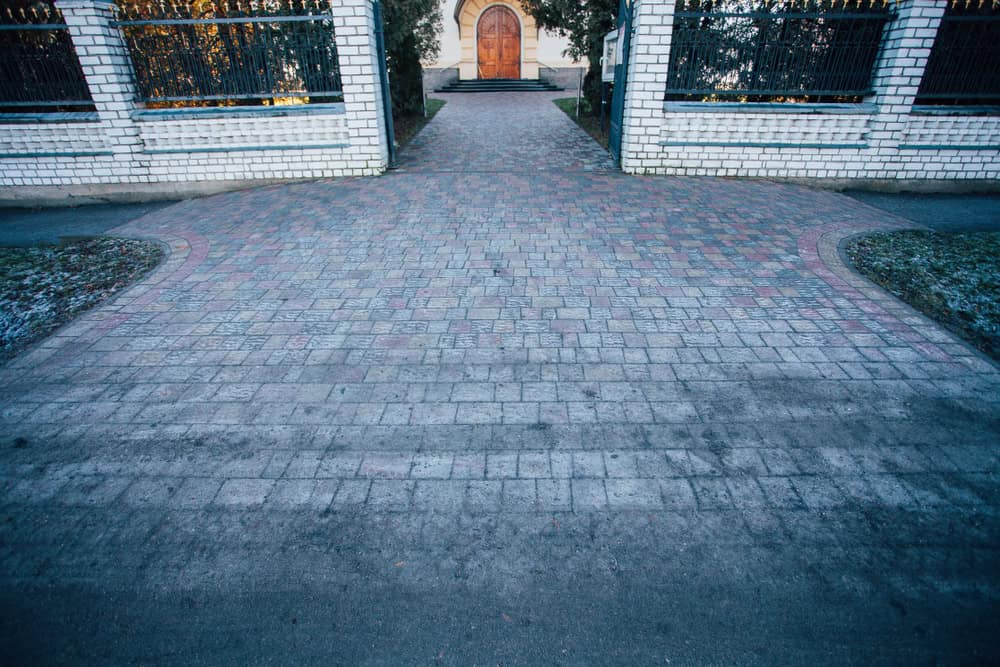
Choosing a local landscaping design company isn't just about convenience. It's about working with experts who understand Long Island's unique soil types, deer challenges, and municipal codes.
Share:
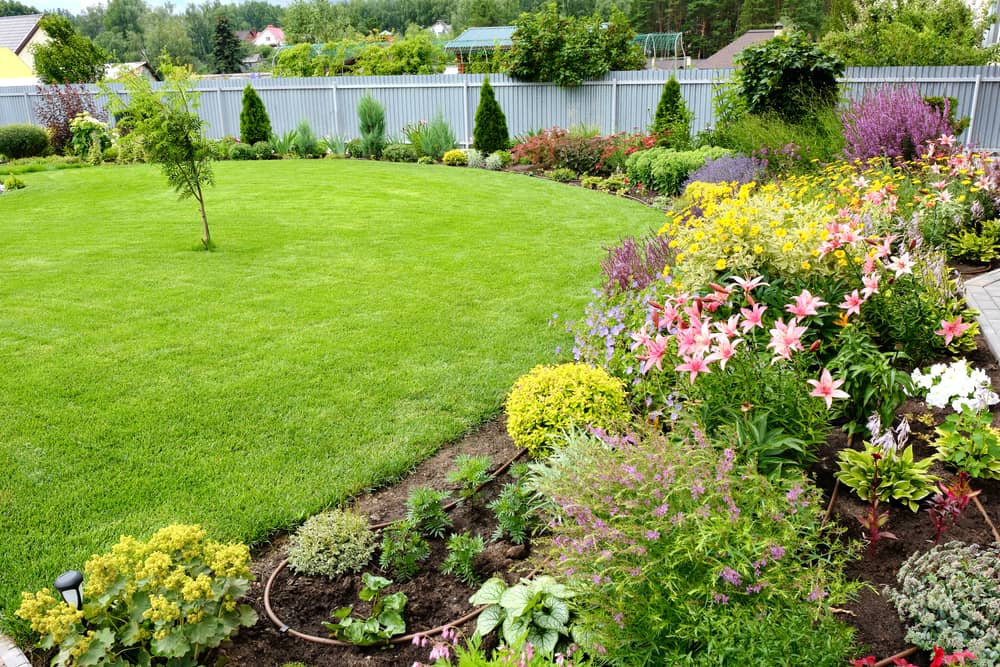
Summary:
Long Island isn’t just sand and beaches. Suffolk County alone has ten different soil associations, each with its own drainage patterns, pH levels, and plant compatibility. Your property might sit on excessively drained sandy outwash plains near the coast, or on glacial till with pockets of poor drainage just a few miles inland.
A landscape contractor from outside the area won’t know the difference. They’ll spec the same plants and drainage solutions they use everywhere else. Then you’ll spend the next few years dealing with standing water, failed plantings, or irrigation that runs constantly because the soil can’t hold moisture.
We’ve worked across these soil types for years. We know that Bridgehampton silt loam supports different vegetation than Haven loam. We understand that Long Island soils tend to be acidic, typically requiring pH adjustments to reach the 6.2-7.0 range most plants need. This isn’t textbook knowledge. It’s the kind of understanding that comes from actually digging in your neighborhood’s dirt for two decades.
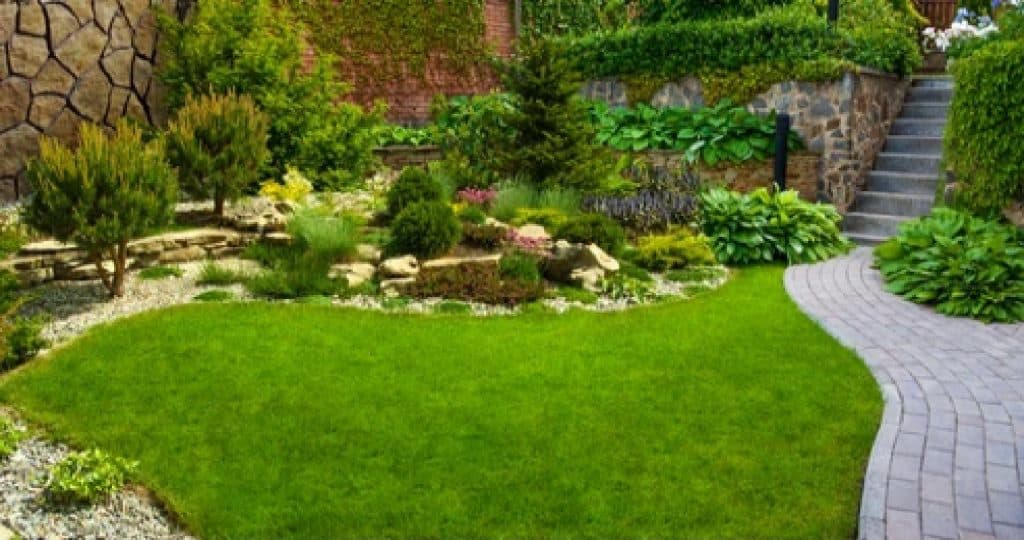
When a landscaping design company doesn’t understand your soil, every decision becomes a guess. They might install plants that need consistent moisture in sandy soil that drains in hours. They could create drainage solutions that work great in clay but do nothing in your gravelly glacial till. The result is landscapes that struggle from day one.
As local backyard landscapers, we’ve seen what works and what fails in your specific soil type. We know that coastal areas with sandy loams need drought-tolerant selections and efficient irrigation. We understand that some inland areas have wet seeps below drier sand layers, requiring different drainage approaches for different parts of the same property.
This knowledge shows up in practical ways. We check your drainage rate before specifying plants. Ideal drainage runs 1-3 inches per hour. Below that, you need either drainage improvements or plants that tolerate wet conditions. Above that, you’re looking at frequent irrigation or drought-resistant species.
We also understand Long Island’s glacial history. The Ronkonkoma and Roanoke Point moraines created the ridges across the island, while outwash plains make up most farmland areas. This geological foundation affects everything from water movement to frost depth. We don’t need to research this. We work with it every day.
The practical impact? Proper plant selection from the start. Appropriate drainage solutions designed for your actual soil conditions. Irrigation systems calibrated for your property’s specific water retention. These aren’t minor details. They’re the difference between a landscape that thrives and one that becomes an expensive ongoing problem.
You’re also getting expertise with soil amendments. Long Island soils often need organic matter additions to improve structure and nutrient retention. We know which amendments work best for your soil type, how much to add, and when to apply them. We understand that colored mulches might look interesting but break down quickly and allow weed growth, while proper organic mulches enrich the soil over time.
If you’ve lived on Long Island for more than a season, you know about the deer. They’re not occasional visitors. They’re a constant presence that will systematically destroy any landscape that isn’t planned with them in mind.
National plant guides don’t help much here. A plant that’s “rarely damaged by deer” in New Jersey might be a deer buffet in Suffolk County. Local deer populations develop their own preferences based on available food sources and population density. What works in one region doesn’t necessarily translate to Long Island.
We’ve spent years learning which plants actually survive here. We know that most hostas are gone within weeks, but that deer typically avoid plants with fuzzy textures, strong scents, or bitter tastes. We’ve watched which native species thrive despite heavy deer pressure and which “deer-resistant” varieties still get demolished.
This knowledge is specific and practical. We know that while no plant is completely deer-proof, especially when populations are high, certain selections give you a fighting chance. Ornamental grasses generally survive. Plants in the Salvia family tend to be left alone. Deer usually avoid Pieris, Mountain Laurel, and certain evergreens like Arborvitae, though even these aren’t guarantees.
More importantly, we understand the strategy behind deer-resistant landscaping. It’s not just about plant selection. It’s about using design to make your property less appealing to deer. Creating layers of less-preferred plants as buffers. Incorporating hardscaping elements that break up easy grazing paths. Positioning more vulnerable plants closer to the house where deer feel less secure.
We also know when to be realistic with clients. If you’re in an area with extremely high deer density, we’ll tell you that some of your plant preferences simply won’t work. That honesty saves you from investing thousands in plantings that won’t last a season. We can offer alternatives that achieve similar aesthetic goals with species that actually have a chance of survival.
The deer challenge connects directly to the soil knowledge too. When you’re limited in plant selection by deer pressure, you need to choose from deer-resistant species that also match your soil conditions. That’s a much narrower list. Local expertise in both areas is what makes successful Long Island landscapes possible.
You’ll also benefit from our connections with local nurseries that stock appropriate plants. We know which suppliers carry the specific cultivars that work in Long Island conditions with deer present. We understand mature sizes, seasonal interest, and how these plants perform over years, not just how they look in a pot at the garden center.
Building codes on Long Island aren’t just complicated. They’re jurisdiction-specific in ways that catch out-of-area contractors constantly. Suffolk County has requirements. Nassau County has different requirements. Then individual towns within those counties often have their own additional regulations.
A landscape contractor who works across multiple states might know general building codes, but they don’t know that specific towns in Suffolk County require separate home improvement contractor licenses. They don’t realize that performing work without proper licensing voids any right to payment. They’re not familiar with which jurisdictions require permits for retaining walls over certain heights, or what those height thresholds actually are.
We have these details memorized because we deal with them on every project. We know that walls over four feet typically require engineering analysis and permits. We understand the specific requirements for different municipalities. We’ve built relationships with local building departments and know how to navigate the approval process efficiently.

Masonry work is where code compliance becomes critical. Retaining walls, outdoor kitchens, fire pits, patios with built-in features—these aren’t simple installations. They involve structural requirements, safety considerations, and specific code compliance that varies by location.
Suffolk County requires home improvement contractor licensing for masonry work. Nassau County has similar requirements. Within Suffolk County, certain jurisdictions require additional separate licenses. If your contractor doesn’t have proper licensing for your specific location, you’re both at risk. The work might not pass inspection. You could face fines. In some cases, the contractor legally cannot collect payment for unlicensed work, which might sound good until they walk off your half-finished project.
We know these requirements intimately. We maintain proper licensing for all jurisdictions we work in. We understand which projects require permits and which don’t. We know the structural requirements for different wall heights and load conditions. We’re familiar with the inspection process and what inspectors in your area look for.
This expertise prevents the nightmare scenario many Long Island homeowners face: discovering that work done years ago wasn’t properly permitted or doesn’t meet code. When you go to sell, these issues surface during home inspections. Suddenly you’re either paying to bring everything up to code or negotiating a lower sale price. Sometimes you’re tearing out and replacing work that looked fine but was never legal.
Our code knowledge extends to practical installation details too. We understand that Long Island’s freeze-thaw cycles require specific installation techniques for pavers and masonry. We know that materials need to withstand coastal conditions—salt air, high humidity, temperature swings. We select and install materials that will actually last here, not just meet minimum code requirements.
We also understand the permitting timeline. When you need approvals from local building departments, we know how long that actually takes in your town. We can plan project schedules around realistic permit approval timeframes, not optimistic guesses. This prevents the delays and frustrations that come from contractors who didn’t account for local bureaucracy.
For commercial properties or larger residential projects, code compliance becomes even more complex. Retaining walls in commercial applications serve multiple functions and face stricter liability standards. We understand these requirements and work with engineers when necessary to ensure everything is designed and built to proper specifications.
Licensing isn’t just paperwork. It’s your protection as a homeowner. In Suffolk County, it’s unlawful to engage in home improvement contracting without proper licensing. That law exists to protect you from contractors who don’t meet minimum standards for knowledge, insurance, and financial responsibility.
When you hire a properly licensed local landscaping design company, you’re getting several layers of protection. We carry proper insurance—typically $1 million per occurrence and $2 million aggregate for general liability. This protects you if someone gets injured on your property during the project or if there’s accidental damage to your home or neighboring properties.
We also maintain workers’ compensation insurance, which protects you from liability if a worker gets hurt on your property. Without this coverage, you could potentially be held responsible for medical costs and lost wages. As a local licensed contractor, we understand these requirements and maintain proper coverage because we work in this regulatory environment every day.
The licensing requirement also means we’ve demonstrated basic competency and financial stability. We’ve gone through the application process, paid the fees, and committed to operating as a legitimate business. This isn’t a side hustle or a cash-under-the-table operation. It’s a real company with accountability.
For you, this means recourse if something goes wrong. Licensed contractors can be held accountable through the licensing system. You have formal channels for complaints and disputes. Compare that to hiring someone without proper licensing—if they disappear or do substandard work, you have limited options for recourse.
We also understand that our reputation in the community matters. We’re not doing one job and moving to the next state. We live here. Our business depends on referrals and reputation in Suffolk and Nassau counties. This creates natural accountability that goes beyond just legal requirements.
The licensing also connects to our knowledge of local codes and standards. To maintain licensing, contractors need to stay current with code changes and requirements. We’re plugged into these updates because they affect our daily work. A contractor from out of the area might be licensed in their home state but unfamiliar with New York’s specific requirements and recent changes.
You’ll also find that we have relationships with local suppliers and subcontractors. When we need specialized work—electrical for outdoor lighting, plumbing for outdoor kitchens, engineering for large retaining walls—we know qualified local professionals. We’ve worked with these people before and know their work quality. This network ensures your entire project meets professional standards, not just the parts we handle directly.
The difference between a successful landscape project and years of problems comes down to one decision: choosing a contractor who actually knows Long Island. Not someone who works everywhere and knows a little about everywhere. Someone who works here and knows the specific challenges your property faces.
That local knowledge shows up in every aspect of your project. Proper soil analysis and plant selection. Deer-resistant designs that actually work in your neighborhood. Code-compliant masonry and hardscaping that passes inspection the first time. Materials and installation techniques that survive Long Island’s weather. Realistic timelines that account for local permitting processes.
You’re not just hiring someone to install plants and pavers. You’re hiring expertise that prevents expensive mistakes and creates landscapes that thrive for decades. When you’re ready to work with a landscaping design company that brings that depth of local knowledge to your project, DLZ Construction and Landscaping Inc. has served Suffolk and Nassau counties for over 20 years with exactly that expertise.
Article details:
Share:
Continue learning: