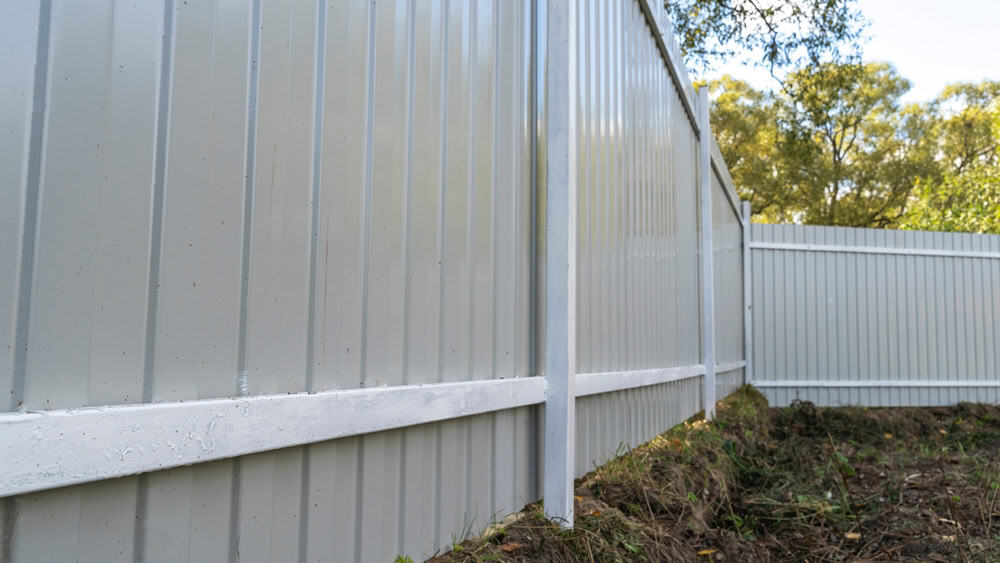
Close neighbors. No privacy. A fence alone looks harsh—but integrated fencing and landscaping creates the private Long Island backyard you're missing.
Share:
Summary:
A fence gives you instant privacy. Landscaping gives you beauty and natural screening. Combine them through a professional fence and landscaping company approach, and you get something neither delivers alone—a backyard that feels like a private retreat without the fortress aesthetic.
Fence-only solutions are functional but harsh. You block the view, but you also create a visual barrier that screams “keep out” instead of “come relax.” Landscaping alone takes years to fill in, leaving you exposed while waiting for shrubs to mature. When you integrate both from the start, you’re layering privacy—the fence handles immediate needs while strategically placed trees, shrubs, and plantings soften edges, add year-round greenery, and create depth that makes even small Long Island yards feel spacious.
This matters in Suffolk County and Nassau County, where lot sizes are tight and neighbors are close. The difference between a boundary and a landscape feature comes down to planning both elements together, not treating them as separate projects.

Softscaping refers to the living elements of your landscape—plants, trees, and ground cover that bring texture and life to your property. When paired with fencing through proper landscaping and fence installation planning, these elements create layers of privacy that feel natural rather than forced.
In Suffolk County and Nassau County, evergreen privacy screening dominates backyard design for good reason. Green Giant arborvitae grows three to five feet annually and reaches 40 to 60 feet at maturity, giving you dense coverage without decades of waiting. Emerald Green arborvitae stays narrower—10 to 15 feet tall but only four to five feet wide—perfect for side yards where space is tight. Skip laurels add waxy, broad leaves that create lush screening while dampening noise from nearby properties.
But here’s what separates professional fence and landscaping company work from DIY attempts: layering. You don’t need a solid row of one plant type. Mixing heights and textures—tall evergreens in back, mid-height shrubs in the middle, low perennials up front—creates visual interest and makes your fence line feel integrated rather than tacked on. Ornamental grasses like miscanthus or pennisetum sway in coastal breezes and soften hard fence lines while requiring minimal upkeep once established.
The key is choosing plants suited to Long Island’s climate. You’re dealing with freeze-thaw cycles, salt air near the coast, and varying soil conditions from sandy to clay-heavy. Native and adapted species handle these challenges better than exotic imports. That means less replacement, lower maintenance costs, and more time enjoying your yard instead of working in it.
Spacing matters too. Planting too close to fencing traps moisture against wood or vinyl, leading to rot or mold. Leave a 12 to 18-inch buffer so air circulates and you can access the fence for maintenance. This also gives plant roots room to spread without pushing against fence posts or creating heaving issues down the line.
Not all fencing installations play well with landscaping. Some materials blend seamlessly with plantings, while others create visual conflicts no amount of greenery can fix. If you’re investing in both, the material you choose sets the tone for everything else.
Wood fences—especially cedar or pressure-treated pine—offer a natural look that complements almost any planting scheme in backyard design. The warm tones work with deep greens, seasonal blooms, and even bare winter branches. Wood also weathers over time, developing a silvery patina that blends into the landscape. The trade-off? It requires periodic staining or sealing to prevent rot, especially in Long Island’s humid summers and wet winters. Expect to restain every three to five years depending on sun exposure and weather conditions.
Vinyl fencing costs more upfront—typically $28 to $55 per linear foot installed in Nassau County and Suffolk County—but requires almost zero maintenance. It won’t rot, warp, or need painting. White vinyl creates a clean backdrop for colorful flowering plants. Tan or gray vinyl blends more naturally with evergreens and ornamental grasses. The downside is vinyl can look sterile without strategic softscaping to soften the hard edges and add organic texture.
Aluminum fencing offers a modern, open feel with excellent durability. It’s rust-resistant and works well if you want some visibility while still defining boundaries. Pair it with climbing vines like clematis or trumpet vine, or tall grasses, and you get privacy without the solid-wall effect. Aluminum runs $32 to $70 per linear foot but lasts decades with minimal upkeep—no painting, no rot, no warping.
For homeowners wanting immediate impact, combining materials creates custom appeal. Stone or brick pillars with wood or metal panels between them deliver a high-end look that anchors landscape design. This approach costs more but stands out in neighborhoods full of standard privacy fences.
Climate considerations matter here. Long Island sees everything from summer humidity to winter ice storms. Materials need to handle freeze-thaw cycles without cracking or warping. Vinyl and aluminum excel here. Wood requires more attention but offers unmatched natural beauty when properly maintained. Whatever you choose, verify it’s rated for USDA Zone 7a (Long Island’s climate zone) and backed by a solid warranty—at least 10 years for vinyl, lifetime for aluminum.
Fence height also affects landscaping and fence installation planning. A six-foot privacy fence gives you more backdrop for layered plantings. A four-foot fence works better if you want to maintain some visual connection with neighbors while still defining your space. Local regulations in Suffolk County and Nassau County often cap fence heights at six feet without permits, so verify requirements before committing to a design.
Designing a private backyard in Suffolk County or Nassau County isn’t just about blocking views. It’s about creating zones—spaces for different activities that feel intentional and inviting. Your fencing and landscaping should work together to define these areas without making your yard feel chopped up or cramped.
Start by mapping how you use your space. Do you need a dining area? A play zone for kids or pets? A quiet corner for reading or morning coffee? Each area benefits from different levels of privacy and openness. Your fence might run the perimeter, but your landscaping creates internal boundaries that guide movement and focus attention where you want it.
Layering is your best tool in private yard landscaping. Tall evergreens along the back fence create a solid privacy wall. Mid-height shrubs in front add texture and seasonal interest. Low perennials or ground cover at the front edge tie everything together and soften the transition to your lawn or patio. This three-tier approach gives you depth and makes even small yards feel larger than their actual square footage.

If you want privacy that doesn’t disappear in winter, evergreens are non-negotiable for Long Island properties. Deciduous plants lose their leaves, leaving you exposed for half the year. Evergreens keep their foliage, giving you consistent coverage regardless of season.
Green Giant arborvitae is the workhorse of Long Island privacy landscaping. It grows fast—sometimes three to five feet per year in ideal conditions—and reaches heights of 40 to 60 feet if left unpruned. Plant them in a staggered row along your fence line, spacing them four to five feet apart, and you’ll have a dense green wall within two to three growing seasons. They tolerate a range of soil types from sandy to clay and don’t require much fertilization once established. The pyramidal shape means they naturally maintain density without excessive pruning.
Eastern arborvitae, particularly the Emerald Green variety, stays narrower—perfect for tighter spaces common in Nassau County developments. It grows 10 to 15 feet tall but only four to five feet wide, making it ideal for side yards or properties with limited depth. The compact growth habit means less pruning and a cleaner look that doesn’t overwhelm small spaces.
Skip laurels offer a different aesthetic in backyard design. Their waxy, broad leaves create a lush, almost tropical feel that contrasts nicely with the feathery texture of arborvitae. They grow into a thick hedge that blocks views and dampens noise—particularly useful if you’re near busy roads or have particularly loud neighbors. Skip laurels prefer well-drained soil and partial to full sun, making them a good fit for most Long Island properties. They can reach 10 to 18 feet tall and spread six to eight feet wide.
Inkberry holly works well for shadier spots where other evergreens struggle. It stays lower—six to 12 feet—but forms a dense, evergreen screen that thrives under tree canopies or along north-facing fence lines. The dark green foliage adds richness year-round, and the plant requires minimal pruning to maintain its naturally rounded shape. Female plants produce small black berries that birds love, adding a wildlife-friendly element to your private yard landscaping.
Mixing evergreen types creates visual interest while maintaining privacy. Alternate Green Giant arborvitae with skip laurels for texture contrast, or use inkberry holly as a mid-layer beneath taller evergreens. This approach breaks up the monotony of a single-species hedge and gives you backup if one plant type struggles with pests or disease—a real consideration with deer pressure and bagworm issues that occasionally hit Long Island arborvitae populations.
Spacing is critical for success. Plant too close, and you’ll have overcrowding and poor air circulation, which invites fungal problems and stunted growth. Plant too far apart, and you’ll wait years for coverage. For most evergreens used in landscaping and fence installation projects, spacing them three to five feet apart (measured from center to center) gives you solid coverage within two to three growing seasons while allowing room for healthy mature growth.
Privacy isn’t just about what people can see—it’s about how your space feels when you’re in it. Hardscaping elements like patios, walkways, and retaining walls work with your fence and plantings to create functional outdoor rooms that feel intentional and complete, not like afterthoughts slapped together over multiple weekends.
A patio tucked into a corner, surrounded by a privacy fence and bordered by evergreen plantings, becomes an outdoor living room. Add a pergola overhead with climbing vines like wisteria or clematis, and you’ve created a shaded retreat that feels miles away from your neighbors, even if they’re only 15 or 20 feet away. The fence provides the walls, the hardscaping defines the floor, and the plants bring it all together into a cohesive space.
Retaining walls serve double duty in backyard design, especially on Long Island’s varied topography. They manage grade changes and create planting beds that add height and dimension to your landscape without eating up horizontal space. A low retaining wall running parallel to your fence gives you a raised bed for shrubs and perennials, adding another layer of screening without taking up much footprint. This is especially useful on sloped properties in areas like Port Jefferson or Huntington where flat space comes at a premium.
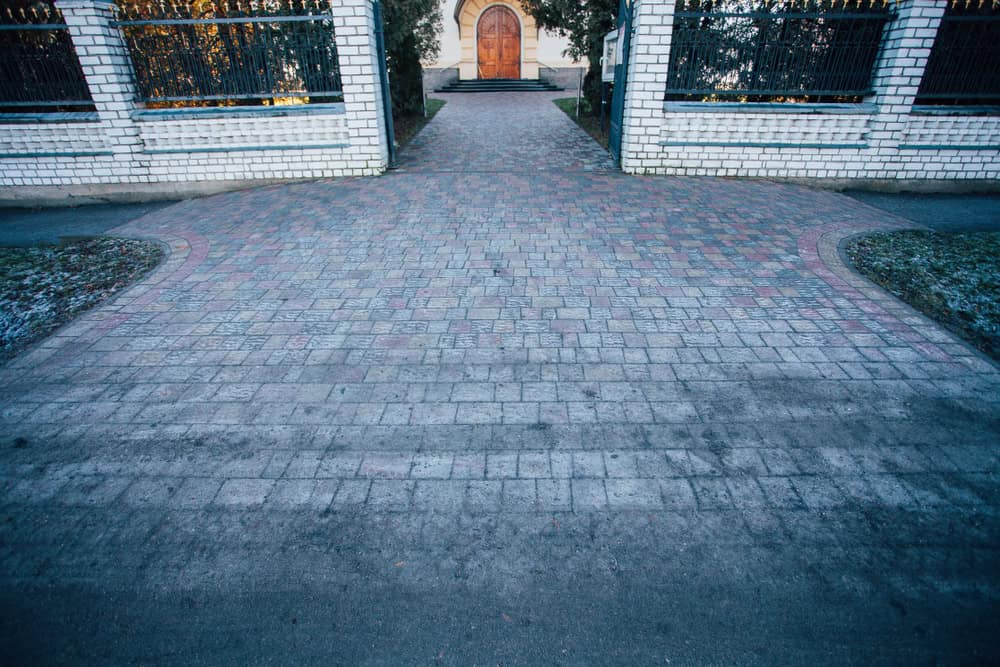
Walkways guide movement and create separation between different zones. A stone or paver path leading from your patio to a garden gate breaks up the yard visually and gives you a reason to move through the space rather than just looking at it from your deck. Line the path with low plantings like creeping thyme or sedum, or ornamental grasses like blue fescue, and you’ve added both function and beauty that enhances the overall private yard landscaping effect.
Materials matter here too. Natural stone, pavers, and brick all complement wood and vinyl fencing better than plain concrete. They add texture and color variation that makes your landscape feel cohesive rather than cobbled together. In Long Island’s climate, choose materials rated for freeze-thaw cycles to avoid cracking and heaving—bluestone, granite pavers, and concrete pavers with proper base preparation all perform well through harsh winters.
Lighting extends your outdoor space into the evening and enhances the privacy effect. Low-voltage path lights along walkways, uplights on specimen trees or fence posts, and string lights overhead create ambiance and improve safety. They also enhance privacy by controlling what’s visible from outside—strategically placed lights draw the eye to focal points within your yard rather than letting neighbors’ windows dominate the view. Solar options work well in Long Island’s sunny summers, though hardwired LED systems offer more consistent performance year-round.
Drainage is often overlooked but critical when combining fencing installations with hardscaping. Fencing and hardscaping change how water moves through your property. Make sure grading directs water away from fence posts and foundations. Add French drains or dry wells if needed to prevent pooling—particularly important in Suffolk County’s clay-heavy soils that don’t drain naturally. Poor drainage kills plants, rots fence posts, and creates muddy messes that make your backyard unusable after spring rains or summer thunderstorms.
Integration is the goal. Your fence shouldn’t look like it was dropped onto the property as an afterthought. Your patio shouldn’t feel disconnected from your plantings. When we design hardscaping, fencing, and plantings together from the start, we create a unified outdoor space that feels natural and inviting—a place you actually want to spend time, not just a yard you maintain because you have to.
Privacy on Long Island doesn’t have to mean sacrificing beauty or settling for a yard that looks like a suburban holding pen. When you work with a fence and landscaping company that integrates professional fencing installations with strategic plantings, you get a space that feels like a private retreat—one that adds measurable value to your property and gives you the outdoor sanctuary you’ve been missing since you moved here.
The key is integration from the start. Fence and plantings working together, not competing. Hardscaping that defines spaces without cluttering them. Materials chosen for Long Island’s climate and your specific property conditions, not just the lowest price tag. And a design that reflects how you actually use your yard—whether that’s entertaining, gardening, or just drinking your morning coffee without making awkward eye contact with neighbors.
If you’re ready to stop feeling exposed in your own backyard and start enjoying the private outdoor space you deserve, we bring over 20 years of experience to Suffolk County and Nassau County properties. We handle the fencing, the landscaping, and the hardscaping—all coordinated so your outdoor space actually works the way you want it to, from day one.
Article details:
Share:
Continue learning: